
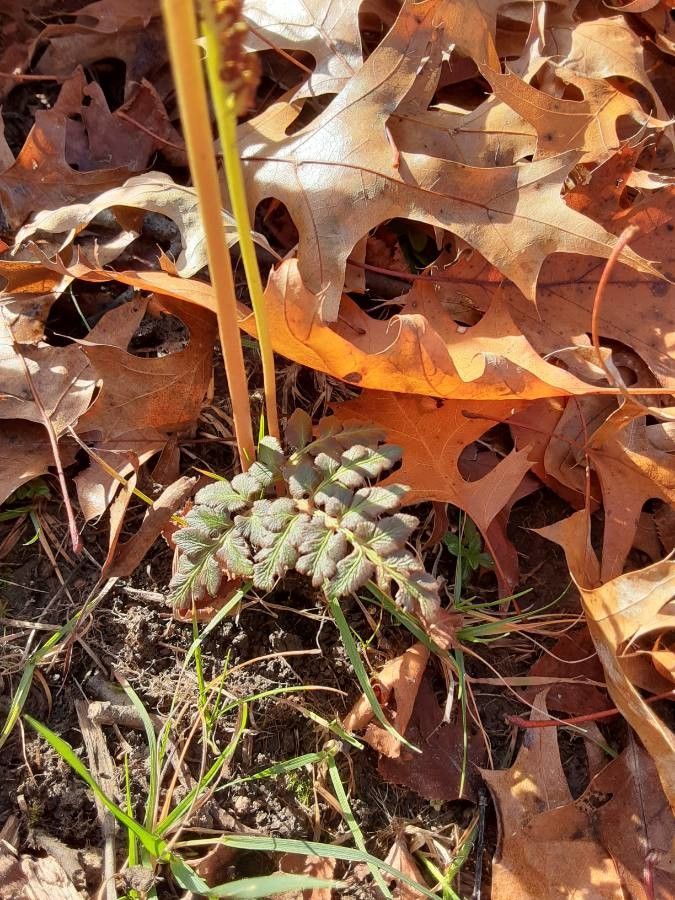
Unraveling the Mystery: How to Propagate the Delicate Botrychium Dissectum
The Botrychium dissectum, commonly known as the “Dissected Grape Fern”, is a beautiful and unique plant with its finely divided, lacy fronds. It’s a sight to behold in woodland gardens, adding a touch of ethereal beauty to any shady corner. However, propagating this delicate fern can pose a challenge to even the experienced gardener.
Unlike most ferns that rely on spores for reproduction, Botrychium dissectum primarily multiplies through its underground rhizomes – a system of creeping stems that act as a plant’s root system. The plant’s reliance on this method of propagation makes its propagation more complex and less straightforward.
Understanding the Basics
Before diving into the details, let’s understand the key factors that influence Botrychium dissectum propagation:
- Rhizome Dependency: The fern’s primary mode of reproduction is through rhizomes, which harbor the plant’s energy reserves and growth points.
- Symbiotic Relationship: Botrychium dissectum forms a crucial symbiotic relationship with certain fungi that help it absorb nutrients from the soil. This relationship is vital for the plant’s survival and propagation.
- Specific Habitat: Botrychium dissectum thrives in moist, shady locations with rich, well-drained soil. It prefers woodland settings that mimic its natural habitat.
Methods of Propagation
1. Division
Division is the most effective method of propagating Botrychium dissectum. This technique involves carefully separating a mature plant into smaller divisions, each with its own healthy rhizome and root system. Here’s how to do it:
- Timing: The best time for division is during the dormant season, usually in late autumn or early spring.
- Process: Carefully dig up the established plant and gently separate its interconnected rhizomes. Ensure that each division includes a healthy growth point and a substantial section of rhizome.
- Replanting: Plant the divisions in a suitable, shaded location with moist, well-drained soil. Maintain the soil moisture consistently and protect the newly planted divisions from direct sunlight.
2. Spore Propagation (Less Common)
While less commonly used, Botrychium dissectum can propagate through spores. However, this method is more challenging and requires specific conditions.
- Spore Collection: Collect mature spores from the fertile fronds, usually appearing in mid-summer.
- Sowing: Sow the spores on a sterile, well-drained medium, preferably a mix of peat moss and sand. Maintain high humidity and consistent moisture.
- Germination: Spore germination can take several months and requires specialized conditions. You’ll need a controlled environment with high humidity and specific lighting.
Important Tips for Success
- Choose the right location: Mimic the fern’s natural habitat by planting it in a shaded area with rich, well-drained soil.
- Maintain consistent moisture: Ensure the soil stays consistently moist, especially in hot, sunny weather.
- Provide adequate drainage: The soil should not be waterlogged as it can lead to root rot.
- Patience: Botrychium dissectum is a slow-growing plant. Be patient and provide it with the necessary conditions to thrive.
Challenges and Considerations
- Sensitivity to disturbance: Botrychium dissectum is quite sensitive to disturbance. Therefore, handle the plants with great care during division.
- Fungal dependency: Disrupting the intricate symbiotic relationship with fungi can be challenging and might hamper propagation.
Conclusion
Propagating the delicate Botrychium dissectum may seem challenging, but with patience and proper care, you can enjoy this elegant fern in your garden. By understanding its unique propagation requirements and following these tips, you can increase your chances of success and witness the captivating beauty of this captivating plant. Remember, the key is to create an environment that imitates its natural habitat to encourage its growth and ensure its long-term prosperity.