
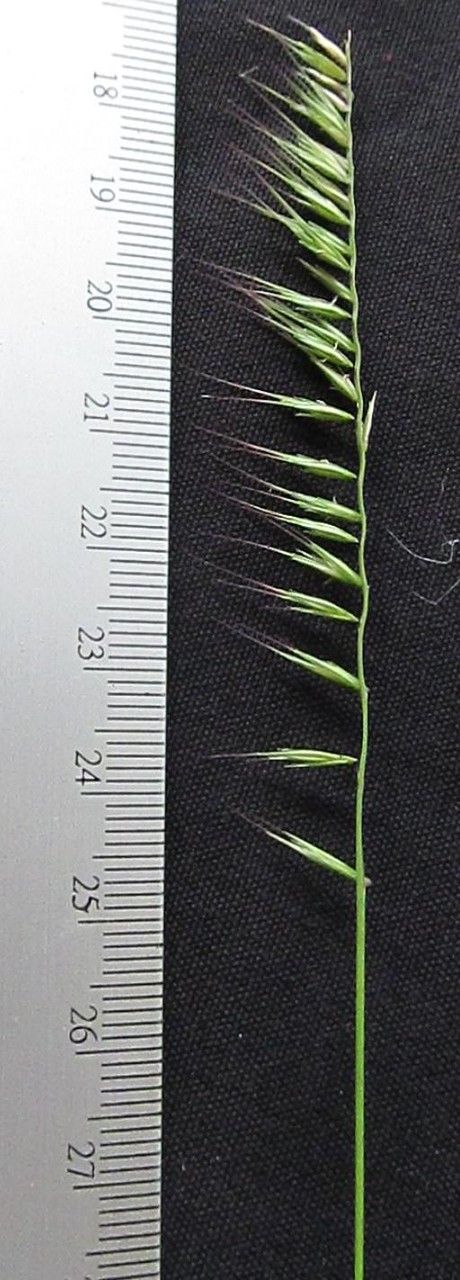
From Seed to Success: How to Propagate Bouteloua disticha (Blue Grama Grass)
Looking for a drought-tolerant, low-maintenance, and beautiful grass to add to your garden? Look no further than Bouteloua disticha, commonly known as blue grama grass. This native North American grass is not just visually stunning with its feathery blue-green foliage and fluffy seed heads, but also incredibly resilient and adaptable. Best of all, it’s incredibly easy to propagate, allowing you to create a lush, eco-friendly landscape from just a few seeds or cuttings.
Growing Blue Grama From Seed:
The most common method of propagating Bouteloua disticha is through seeds. Here’s a step-by-step guide:
- Timing is key: The ideal time to sow blue grama seeds is in the spring or early fall, when temperatures are moderate.
- Prepare the soil: Choose a sunny spot with well-draining soil. Blue grama thrives in sandy or loamy soil.
- Sow the seeds: Scatter the seeds evenly across the prepared area. They don’t need to be buried deep, just lightly pressed into the soil.
- Water gently: Keep the soil consistently moist but never waterlogged.
- Patience is a virtue: Blue grama seedlings can be slow to emerge, sometimes taking several weeks. Don’t despair! They will eventually sprout and develop into a dense, attractive tuft of grass.
Propagating Through Division:
For faster results and an instant burst of greenery, propagation through division is a great option. This method involves separating established clumps of blue grama to create new plants.
- Timing is key: The best time to divide blue grama is in early spring or late summer when the weather is cool.
- Preparation: Use a sharp spade or garden fork to gently lift the clump of grass from the ground.
- Division: Carefully separate the clump into smaller sections, ensuring each section has healthy roots and foliage.
- Replanting: Select a prepared sunny spot and gently replant the divided sections, spacing them according to your desired look.
- Water well: Keep the transplanted clumps moist until they establish new roots.
Tips for Propagation Success:
- Choose healthy plants: When collecting seeds or dividing clumps, always select material from healthy, vigorous plants.
- Don’t overwater: Blue grama is drought-tolerant and prefers well-draining soil. Overwatering can lead to root rot.
- Fertilize sparingly: While blue grama is a low-maintenance plant, it can benefit from a light application of fertilizer in the spring.
- Mulching: A thin layer of mulch can help conserve moisture and suppress weeds.
Beyond the Garden:
The benefits of propagating Bouteloua disticha extend beyond the visual appeal. This hardy grass is an excellent choice for attracting pollinators and providing habitat for beneficial insects. Its deep roots help prevent soil erosion and contribute to a healthy ecosystem.
With its easy propagation methods and impressive resilience, Bouteloua disticha offers a unique blend of beauty and ecological benefit. So why not try your hand at propagating this stunning grass and enjoy its beauty in your garden?