
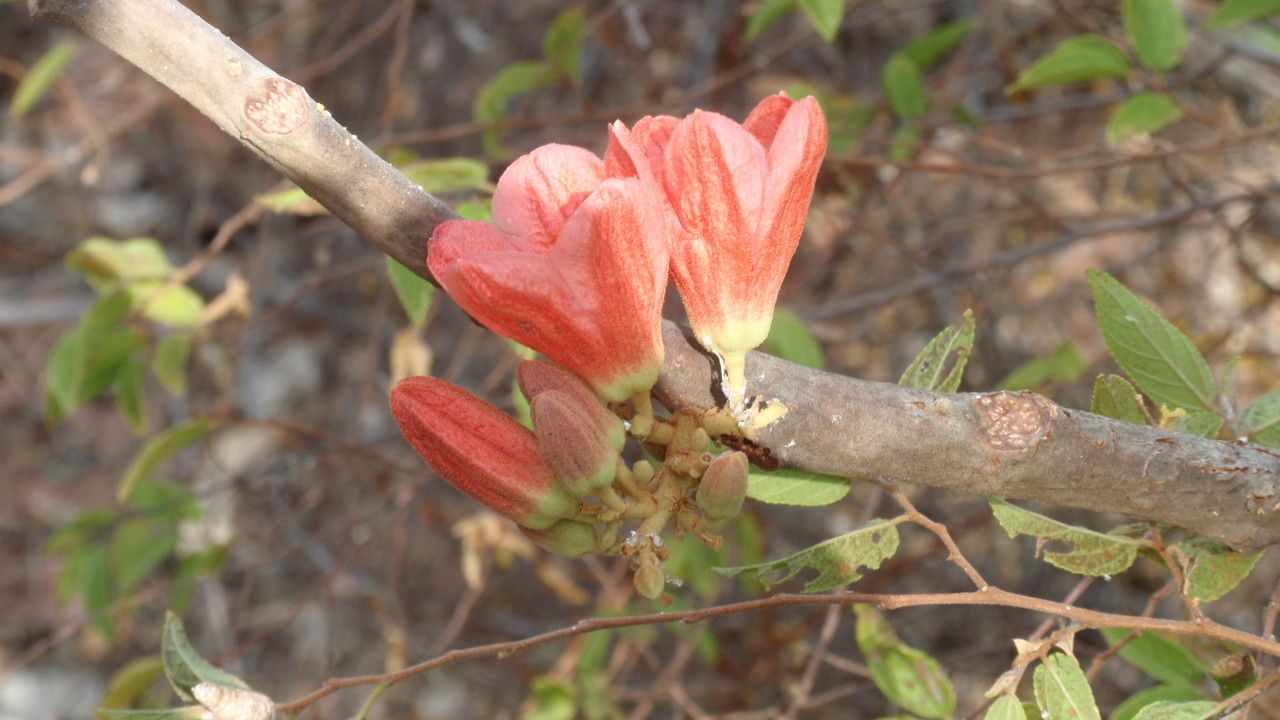
Propagating the Illawarra Flame Tree (Brachychiton megaphyllus): A Gardener’s Guide
Introduction:
Brachychiton megaphyllus, commonly known as the Illawarra Flame Tree, is a striking Australian native tree prized for its vibrant red flowers that appear amongst its glossy green foliage. Its rapid growth, drought tolerance, and visually stunning blooms make it a popular choice among gardeners in suitable climates. However, propagating this species can present unique challenges. While its impressive size might suggest ease of propagation via division, the reliable methods are more nuanced and require specific techniques. This article explores various propagation methods, outlining their viability, challenges, and rewards.
Seed Germination:
Seed germination is a viable method for Brachychiton megaphyllus propagation. However, it presents several challenges. The seeds possess a hard seed coat that inhibits water uptake, requiring pre-treatment to break dormancy. This is typically achieved through stratification, a process that mimics natural winter conditions.
Challenges: Inconsistent germination rates are common. Some seeds may fail to germinate even after stratification.
Practical Tips: Soak seeds in warm water for 24-48 hours before sowing. Then, scarify the seed coat gently using sandpaper or a file to aid water penetration. Sow seeds in a well-draining seed-starting mix, keeping the medium consistently moist but not waterlogged. Stratification can be achieved by placing the seeds in a moist paper towel within a sealed plastic bag and refrigerating them for 4-6 weeks. Germination typically occurs within 2-8 weeks after sowing, depending on conditions.
Rewards: Seed propagation offers the benefit of genetic diversity, resulting in a potentially wider range of plant characteristics. It also allows for large-scale propagation, making it suitable for commercial nurseries or ambitious gardeners.
Cuttings:
Cuttings are a less reliable method for propagating Brachychiton megaphyllus. While semi-hardwood cuttings can sometimes be successful, the success rate is generally low.
Challenges: The cuttings are prone to fungal infections and rot, especially in humid conditions. Rooting hormones are usually necessary, but success isn’t guaranteed.
Practical Tips: Take semi-hardwood cuttings in late spring or early summer. Use a sharp knife to make clean cuts, and treat the base with a rooting hormone. Plant the cuttings in a well-draining mix, ideally a proprietary rooting mix, and maintain high humidity using a propagation dome or plastic bag.
Rewards: Compared to seed propagation, cuttings provide a quicker way to obtain a plant genetically identical to the parent tree. This is beneficial if you’re aiming to replicate a specific desirable trait.
Division:
Division of established Illawarra Flame Trees is generally not recommended. These trees develop a substantial taproot system, making them highly challenging, if not impossible, to divide successfully without causing significant damage.
Challenges: Severely disrupting the root system almost always results in plant death.
Practical Tips: Division is not a practical propagation method for Brachychiton megaphyllus.
Rewards: None practically applicable.
Tissue Culture:
Tissue culture offers a potential, albeit complex, method for propagating Brachychiton megaphyllus. This advanced technique requires specialized equipment and expertise.
Challenges: Establishing sterile cultures, selecting appropriate media, and controlling environmental parameters are critical for success. This method is expensive and requires specialized knowledge.
Rewards: Tissue culture allows for the rapid multiplication of plants, ensuring uniformity and freedom from disease, particularly valuable for large-scale propagation or producing disease-free plants.
Conclusion:
Propagating Brachychiton megaphyllus presents a set of unique challenges across all methods. While seed germination offers the greatest potential for producing genetically diverse plants, it requires careful attention to seed pretreatment and environmental conditions. Cuttings are less reliable, and division is practically infeasible. Tissue culture offers a solution for large-scale propagation but necessitates advanced expertise and resources.
The satisfaction of successfully cultivating this magnificent tree, despite these hurdles, is undeniable. The reward of witnessing a tiny seed morph into a towering spectacle of vibrant red blooms is a testament to the gardener’s patience and skill. Aspiring propagators should carefully weigh the challenges and rewards of each method, select the approach best suited to their resources and experience, and embrace the learning process. Remember, persistence and attention to detail are crucial for success.