
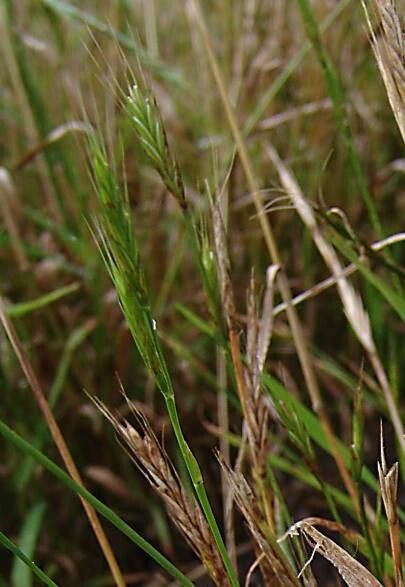
Unlocking the Secrets of Growing Brachypodium distachyon: A Guide to Propagation
Brachypodium distachyon: does the name ring a bell? Probably not, unless you’re a plant scientist! But while it might not be a household name like a rose or a tomato, this unassuming grass holds incredible potential for research in biofuels, crop improvement, and beyond.
But how do you actually grow this scientific superstar? This guide delves into the fascinating world of Brachypodium distachyon propagation, providing you with the knowledge to cultivate this intriguing plant.
Why Brachypodium distachyon? A Small Grass with Big Potential
Before we dive into propagation, let’s understand what makes this grass so special. Brachypodium distachyon boasts several characteristics that make it an ideal model organism for plant research:
- Short Lifecycle: It goes from seed to seed in just 8-10 weeks, allowing for quick research turnaround.
- Small Genome: Its genome is fully sequenced and relatively small, simplifying genetic studies.
- Easy Growth: It’s relatively easy to grow in lab or greenhouse settings, requiring minimal resources.
Propagation Methods: Seeds vs. Clonal Propagation
Two primary methods exist for propagating Brachypodium distachyon:
1. Seed Propagation:
- The Go-To Method: This is the most common and straightforward way to propagate Brachypodium.
- Process:
- Obtain Seeds: Source seeds from reputable research suppliers or seed banks.
- Surface Sow: Sprinkle seeds on the surface of a well-draining potting mix.
- Light is Key: Ensure seeds receive adequate light for germination.
- Maintain Moisture: Keep the soil consistently moist but not waterlogged.
- Advantages:
- Easy and cost-effective.
- Maintains genetic diversity.
- Disadvantages:
- Slight variations might occur between individuals due to genetic recombination.
2. Clonal Propagation:
- For Genetic Uniformity: This method is preferred when you need genetically identical copies of a specific plant.
- Process:
- Select a Healthy Plant: Choose a vigorous, disease-free individual.
- Take Cuttings: Snip off small sections of stem, ensuring each cutting has at least one node.
- Root the Cuttings: Place cuttings in a moist rooting medium, like vermiculite or perlite.
- Provide Humidity: Cover cuttings with a dome or use a humidity chamber to encourage root development.
- Advantages:
- Produces genetically identical plants.
- Allows for the preservation of desirable traits.
- Disadvantages:
- Requires more specialized knowledge and care.
- Can be more time-consuming than seed propagation.
Factors Influencing Successful Propagation
Regardless of the method you choose, consider these factors for successful propagation:
- Light: Provide bright, indirect light or use grow lights.
- Temperature: Brachypodium thrives at temperatures between 20-25°C (68-77°F).
- Humidity: Maintain moderate humidity levels during germination and rooting.
- Watering: Water regularly, allowing the topsoil to dry slightly between waterings.
- Potting Mix: Use a well-draining, peat-based potting mix.
Unlocking the Potential: Why Propagate Brachypodium Distachyon?
Propagating Brachypodium distachyon opens a world of possibilities. It allows researchers to:
- Develop improved biofuel crops: Its fast growth and biomass production make it a promising candidate for biofuel feedstocks.
- Enhance crop yields: By studying its stress tolerance and disease resistance, scientists can unlock traits to improve major food crops.
- Investigate fundamental plant processes: Its simple genome facilitates research into plant cell walls, flowering, and other essential functions.
Whether you’re a seasoned scientist or a curious beginner, propagating Brachypodium distachyon is a rewarding experience. This small grass holds immense potential for scientific breakthroughs that can benefit us all. So why not give it a try? You might just be surprised by what you can achieve.