
Taming the Wild: Propagating Brachypodium pinnatum for a Touch of Meadow Magic
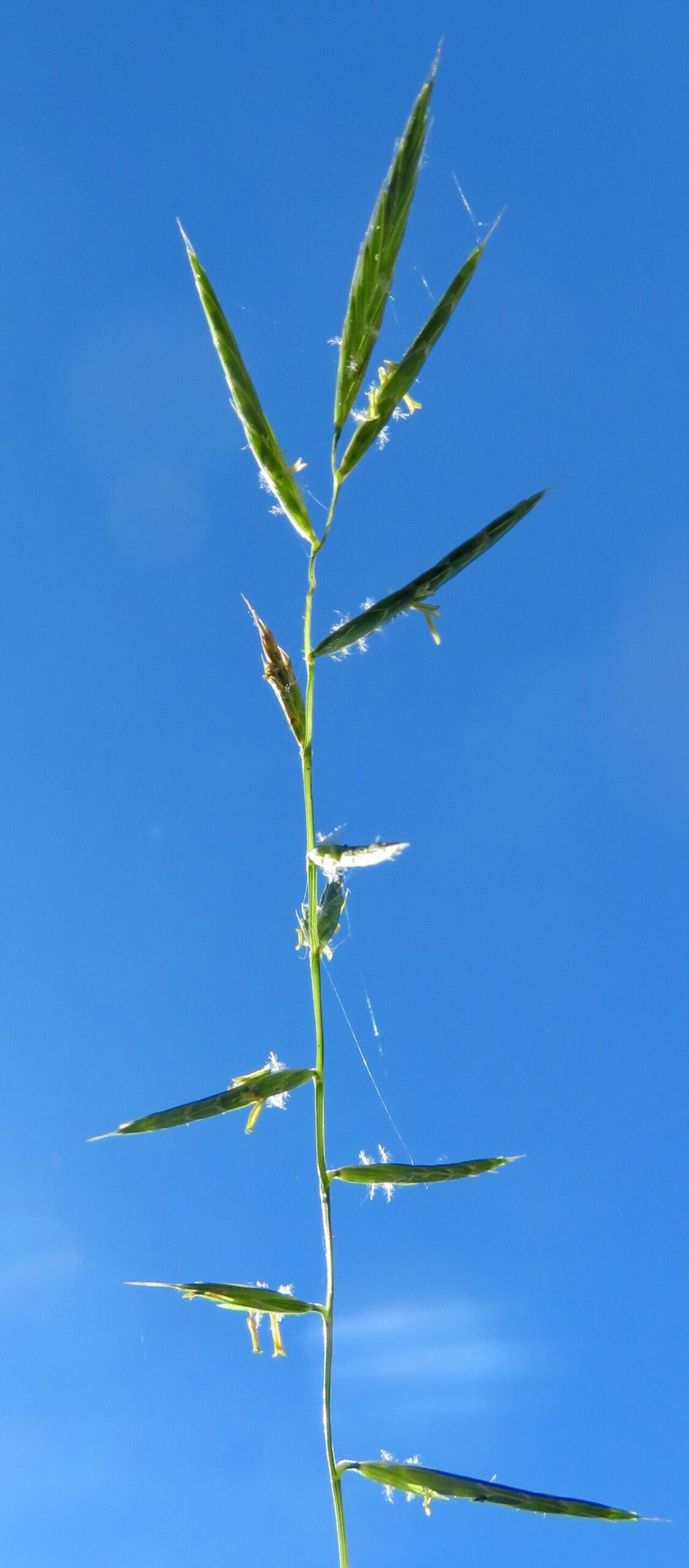
Brachypodium pinnatum, also known as False Brome or Heath False Brome, might not be a household name like roses or tulips, but this elegant grass deserves a spot in any gardener’s heart. Native to dry grasslands across Europe and Asia, Brachypodium pinnatum offers a unique charm with its graceful, arching foliage and airy seed heads that transform from green to golden brown as the seasons change.
While this clump-forming perennial shines in natural meadows and informal gardens, its hardiness and low-maintenance nature make it a surprisingly versatile addition to various landscapes, from cottage gardens to minimalist designs. Ready to introduce Brachypodium pinnatum to your own green haven? Let’s delve into the world of propagation and explore the best methods for success:
Method 1: Division (The Tried and True)
For established clumps of Brachypodium pinnatum, division is the simplest and most effective propagation method. Here’s how it’s done:
Timing is Key: Spring or early autumn is the perfect time for division. Avoid dividing during the plant’s peak summer growth.
Dig Deep: Carefully lift the entire clump from the ground using a garden fork or spade, ensuring you get as much of the root system as possible.
Divide and Conquer: Gently tease apart the clump into smaller sections, each with a good portion of roots and healthy shoots. You can use a sharp knife or your hands, depending on the clump’s size and density.
- Replant and Water: Replant the divisions in their new locations, ensuring the soil is well-drained. Water thoroughly after planting and continue regular watering until the divisions are established.
Method 2: Seed Starting (A Test of Patience)
While division remains the preferred method for Brachypodium pinnatum, propagating from seed offers a rewarding challenge for enthusiastic gardeners. However, be prepared for a longer journey from seed to established plant. Here’s what you need to know:
Seed Collection: Collect seeds from mature plants in late summer or early autumn. Look for plump, dry seed heads.
Sowing Time: Sow Brachypodium pinnatum seeds in late winter or early spring in seed trays filled with a well-draining seed starting mix.
Light and Moisture: Lightly press the seeds into the soil surface, ensuring good contact but not burying them deep. Keep the soil consistently moist but not waterlogged.
Patience is a Virtue: Germination can be slow and erratic. Be patient and continue providing proper light and moisture.
- Transplanting: Once seedlings develop a strong root system and several sets of true leaves, they can be transplanted into individual pots or directly into the garden.
Brachypodium pinnatum: A Rewarding Addition to Your Garden
Whether you choose division or venture into seed starting, Brachypodium pinnatum offers a rewarding experience for gardeners of all levels. This adaptable and visually appealing grass brings a touch of wild beauty to any landscape. With minimal care and a little propagation know-how, you can enjoy its graceful presence in your garden for years to come.