
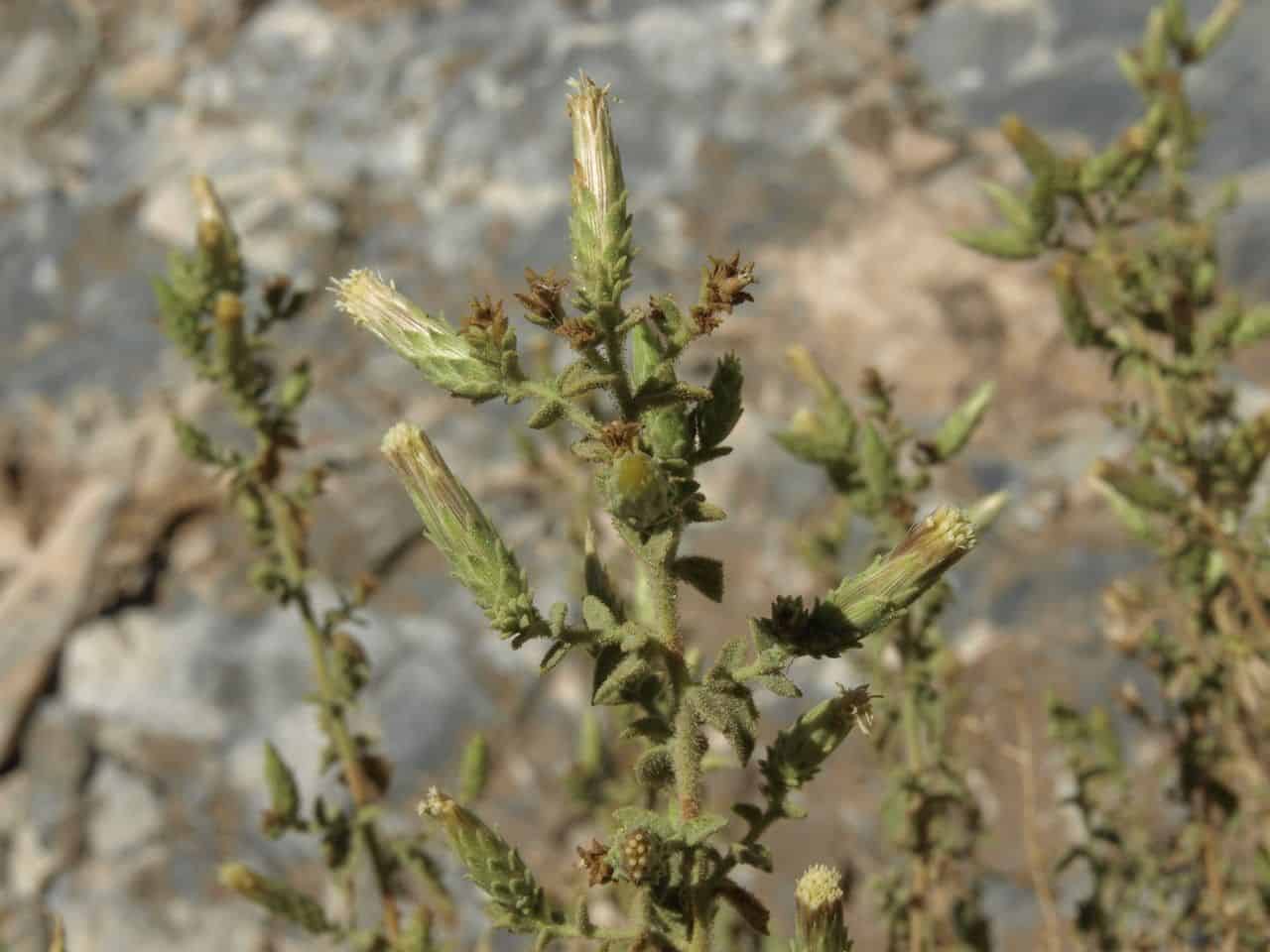
Tiny Leaves, Big Impact: Propagating the Charming Brickellia Microphylla
If you’re looking to add a touch of wildflower charm to your garden, look no further than Brickellia microphylla, also known as Littleleaf Brickellbush. This resilient perennial, native to the western United States, boasts delicate foliage and clusters of tiny white or pink flowers that bloom from late summer to fall. But beyond its visual appeal, Brickellia microphylla is surprisingly easy to propagate, making it a rewarding plant for both beginner and experienced gardeners alike. Let’s delve into the different methods to grow more of this charming plant:
1. Seed Starting: Embracing the Wildflower Spirit
True to its wildflower nature, Brickellia microphylla readily propagates from seed. Here’s how:
- Collecting Seeds: In the fall, keep an eye out for the plant’s fluffy seed heads. Once they turn brown and dry, carefully collect them and store them in a cool, dry place until spring.
- Sowing Time: Start seeds indoors 6-8 weeks before the last expected frost.
- Sowing Process: Use a well-draining seed starting mix and sprinkle the seeds on the surface, pressing them in lightly.
- Light and Water: Provide bright, indirect light and keep the soil consistently moist but not waterlogged.
- Transplanting Time: Once the seedlings have developed a few sets of true leaves and the danger of frost has passed, harden them off gradually and transplant them to your garden.
2. Cuttings: Cloning for Success
Taking cuttings is another effective way to propagate Brickellia microphylla, ensuring you maintain the characteristics of a specific plant:
- Timing is Key: The best time to take cuttings is in the late spring or early summer when the plant is actively growing.
- Selecting the Cuttings: Choose healthy, non-flowering stems that are about 4-6 inches long.
- Preparing the Cuttings: Remove the lower leaves from the stem, leaving only a few at the top.
- Rooting Hormone (Optional): While not essential, dipping the cut end in rooting hormone can encourage faster root development.
- Planting the Cuttings: Plant the cuttings in a pot filled with a well-draining potting mix. Keep the soil consistently moist.
- Creating a Humid Environment: Cover the pot with a plastic bag or humidity dome to create a greenhouse-like environment.
- Transplanting: Once the cuttings have developed a strong root system, typically in 4-6 weeks, they can be transplanted into individual pots or directly into the garden.
Tips for Successful Propagation:
- Well-Draining Soil: Brickellia microphylla thrives in well-draining soil. Avoid heavy clay soils that retain too much moisture.
- Sun or Shade: While this plant tolerates some shade, it flowers best in full sun (at least 6 hours of direct sunlight).
- Watering: Water deeply but infrequently, allowing the soil to dry out slightly between waterings.
- Fertilizer: Brickellia microphylla isn’t a heavy feeder. Amending the soil with compost before planting is usually sufficient.
Propagating Brickellia microphylla is a simple yet rewarding process. Whether you choose to start from seed or cuttings, you’ll be rewarded with more of these charming plants to grace your garden with their delicate beauty. With a little patience and care, you can easily expand your collection and share the joy of this resilient wildflower with others.