
Propagating the Elegant Brodiaea: A Gardener’s Guide
Introduction:
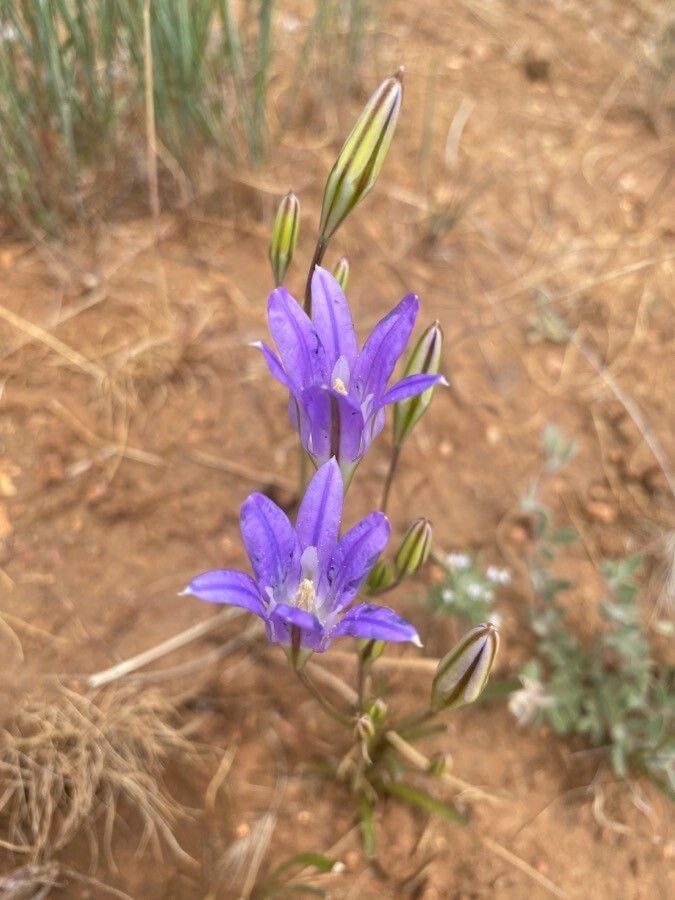
Brodiaea elegans, commonly known as the elegant brodiaea or graceful brodiaea, is a captivating bulbous perennial native to California. Its striking, star-shaped flowers, often a vibrant purple-blue but sometimes white or pink, bloom atop slender stems in spring, making it a prized plant among gardeners. The relatively small size and charming blooms make it ideal for rock gardens, borders, and wildflower meadows. However, its propagation presents unique challenges, making successful cultivation all the more rewarding. While not widely commercially propagated, its beauty motivates many gardeners to attempt its reproduction.
Seed Germination:
Currently, there are no known reliable methods for seed germination propagation of Brodiaea elegans. While seeds may be produced, germination rates are extremely low even under optimal conditions, likely due to recalcitrant seed characteristics (meaning they don’t tolerate drying) and specific microclimate needs in the wild for successful emergence.
Cuttings:
Cuttings are not a viable method for propagating Brodiaea elegans. This plant’s growth habit does not lend itself to vegetative propagation from stem or leaf cuttings; it relies primarily on bulb production for reproduction.
Division:
Division is the most reliable and practical method for propagating Brodiaea elegans. This involves carefully separating the offsets (small bulbs) produced around the mother bulb during dormancy.
Challenges: The mother bulb must be carefully dug up at the appropriate time (usually after the foliage has died back but before the soil becomes completely dry). Damaging the bulbs during separation is easy, requiring a gentle hand. The offsets should be sufficiently developed to ensure their viability.
Tips: Use a sharp, clean tool to divide the bulbs. Plant the offsets immediately, ensuring they are planted at the correct depth (generally the same depth as the original bulb). Provide well-drained soil rich in organic matter.
Rewards: Division is relatively straightforward and offers increased numbers of plants quickly. It is the method most likely to ensure genetic consistency with the parent plant.
Tissue Culture:
Tissue culture is a technically demanding but potentially effective method for propagating Brodiaea elegans.
Challenges: This method requires specialized equipment, sterile environments, and a precise knowledge of plant tissue culture techniques. Finding the optimal growth medium and hormonal regimes for successful shoot multiplication and root development may require considerable experimentation. The cost involved can also be significant for home gardeners.
Tips: Consult with specialists or research institutions experienced in plant tissue culture. Follow sterile practices rigorously to avoid contamination. Consider using a reliable commercial lab specializing in rare or difficult-to-propagate plants.
Rewards: Tissue culture offers the potential for large-scale propagation and the production of disease-free plants. It can be particularly useful for preserving genetically valuable individuals.
Conclusion:
Propagating Brodiaea elegans presents several hurdles. Seed germination proves unreliable, and vegetative propagation through cuttings is not feasible. Division offers the most robust and accessible method for the home gardener, though care is needed to avoid damaging the delicate bulbs. Tissue culture holds promise for large-scale production but requires expertise and resources. Despite the challenges, the satisfaction of successfully cultivating Brodiaea elegans from a single bulb into a thriving clump is significantly rewarding. The graceful beauty of this native Californian wildflower more than makes up for the effort involved, encouraging anyone with the patience and determination to persevere in this fascinating endeavor. Remember to research the specific needs of your region regarding climate and timing for optimal success.