
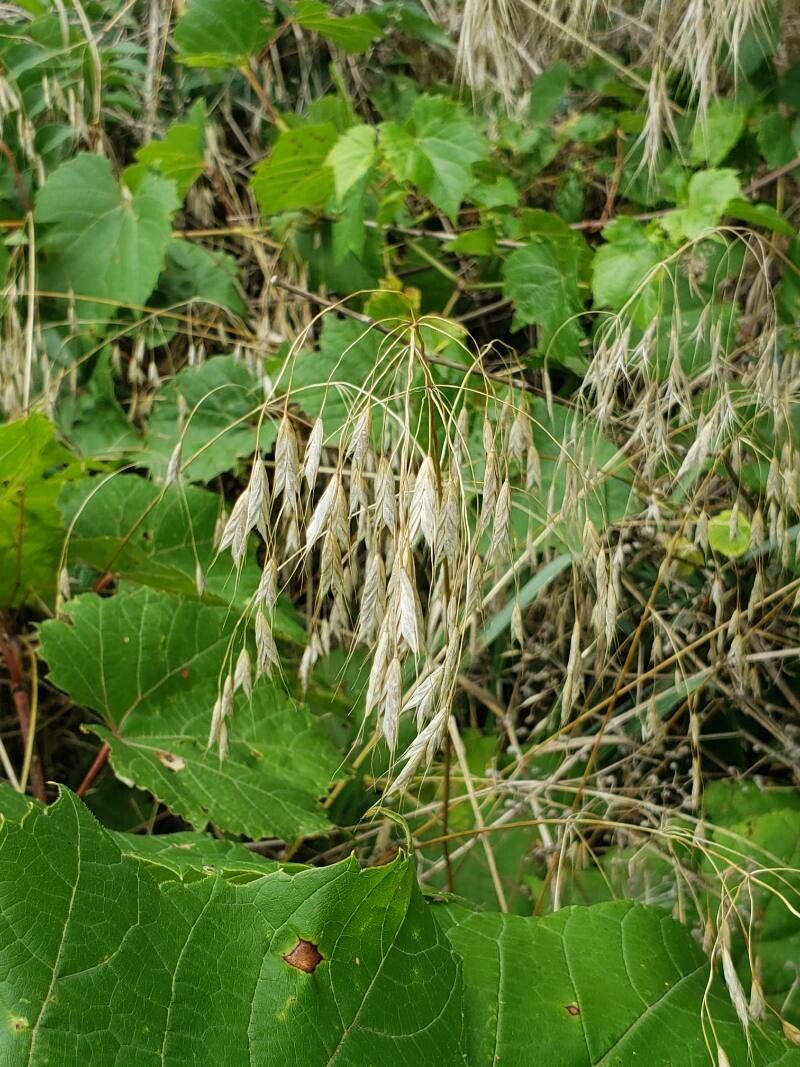
Propagating Bromus arvensis: Challenges and Rewards of Cultivating Field Brome
Introduction:
Bromus arvensis, commonly known as field brome, is a widespread annual grass found in various habitats across Europe and Asia. While not a common ornamental plant in gardens, its resilience and adaptation to diverse conditions make it an intriguing subject for plant enthusiasts and researchers. Its relatively unassuming appearance belies its ecological significance; it serves as a valuable forage for livestock and plays a role in soil stabilization. Propagation, however, presents unique challenges not often encountered with more popular garden plants. Its popularity among home gardeners is limited, primarily due to its weedy nature in certain contexts. However, understanding its propagation methods allows for better management and controlled cultivation.
Seed Germination:
Seed germination is a viable method for propagating Bromus arvensis. However, it presents several challenges.
Challenges: Field brome seeds often exhibit dormancy, meaning they require certain environmental cues (like cold stratification) before germinating. The seed coat can be relatively impermeable, hindering water uptake. Also, germination rates can be variable depending on seed maturity and storage conditions.
Tips: Successful germination often involves a period of cold stratification (placing the seeds in moist media at temperatures near 0-4°C for 4-6 weeks) to break dormancy. Sowing should be done in well-drained soil in a seed tray or directly outdoors in spring or fall. Thinning may be required to ensure adequate spacing.
Rewards: Seed germination offers the advantage of significant genetic diversity within the propagated plants. It’s also a cost-effective method, potentially suitable for large-scale propagation if germination rates are optimized.
Cuttings:
Currently, there are no known reliable methods for propagation of Bromus arvensis via cuttings. This grass is primarily an annual, lacking the persistent growth structures needed for successful vegetative propagation.
Division:
Currently, there are no known reliable methods for propagation of Bromus arvensis via division. As an annual, it forms a shallow root system not suitable for division.
Tissue Culture:
While tissue culture techniques are increasingly used for propagating various plants, there is limited information currently available on the successful application of this method to Bromus arvensis. Further research is needed to determine feasibility. Challenges could include difficulties in establishing aseptic cultures and optimizing the growth medium for shoot development.
Conclusion:
Propagating Bromus arvensis presents a unique set of challenges. While seed germination is a viable method, optimizing germination rates requires careful attention to cold stratification and sowing techniques. Vegetative propagation methods appear impractical due to the plant’s annual life cycle and structure. The rewards, however, lie in the potential for genetic diversity achieved through seed propagation and the satisfaction of successfully cultivating a resilient species. For aspiring propagators, patience and meticulous attention to detail, especially during seed germination, will be key to success. The learning process in itself provides a rewarding understanding of this often overlooked plant’s life cycle. The ability to cultivate Bromus arvensis successfully, even in the face of these hurdles, offers a unique sense of accomplishment and deeper connection with the natural world.