
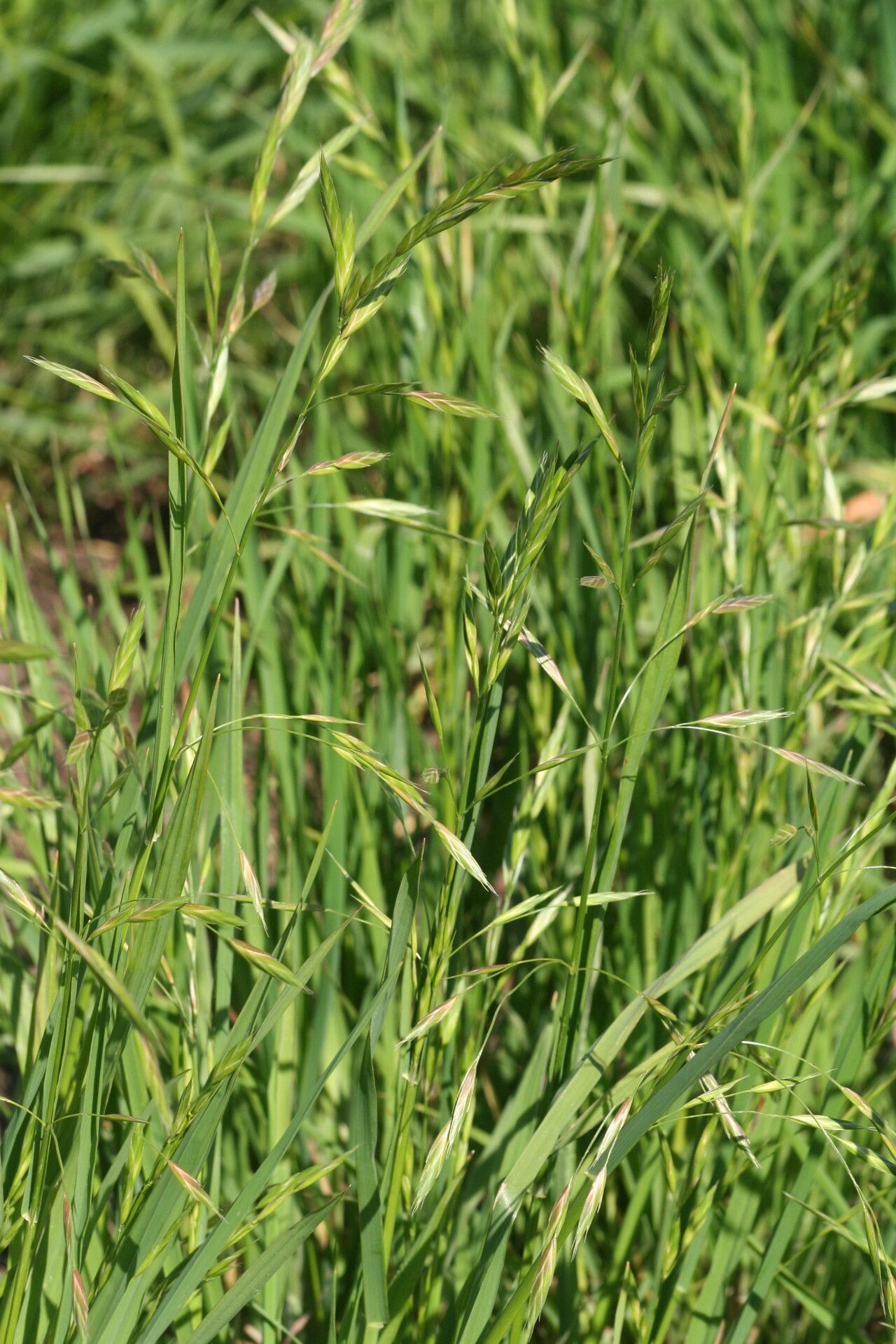
From Seed to Meadow: The Secrets of Growing Bromus carinatus
Bromus carinatus, commonly known as California brome or Ridge brome, is a beautiful, delicate grass known for its graceful, feathery seed heads. If you’re yearning for a touch of wild meadow beauty in your garden, this native North American species is an excellent choice.
Beyond the Beauty: A Look at Bromus carinatus’s Attributes
This perennial grass is prized for its ability to tolerate a wide range of conditions, including dry climates and poor soils. Its airy, low-growing foliage adds a touch of softness and texture to any landscape.
From Seed to Success: The Propagation Journey
While you can purchase Bromus carinatus from nurseries, the most rewarding (and cost-effective) way to grow it is from seed. Here’s a step-by-step guide to propagating this delightful grass:
1. Timing is Key: The Art of Sowing
- Autumn Sowing: The ideal time to sow Bromus carinatus seeds is in the fall. The cooler temperatures and natural moisture of fall encourage germination.
- Spring Sowing: While spring sowing is possible, it may require more attention to watering, especially in drier climates.
2. Prepare the Ground: A Foundation for Growth
- Seedbed Preparation: Choose a location with well-drained soil. Prepare the seedbed by removing weeds, loosening the soil, and raking it smooth.
- Sowing Depth: Sow the seeds directly into the soil at a depth of about ¼ inch.
- Spacing: Space seeds approximately 6-8 inches apart to allow for proper growth.
3. Nourishment and Moisture: Essential Care
- Watering: Keep the seedbed moist but not soggy. Water regularly until the seeds sprout, then reduce watering as the seedlings mature.
- Fertilization: Bromus carinatus prefers a lean soil and doesn’t need heavy fertilization. You can give it a light application of compost in the spring for added nutrients.
4. From Sprout to Scape: Observing the Growth
- Germination: Seeds usually germinate within a few weeks. The seedlings will emerge with their signature feathery charm.
- Establishment: Once established, Bromus carinatus is a low-maintenance plant. However, it may benefit from light thinning in the early stages to promote healthy growth.
5. Harvesting the Seeds: Sharing the Beauty
- Seed Head Collection: When the seed heads mature (typically late summer or early fall) and turn a light brown, they are ready for harvesting.
- Drying and Storage: Gather the seed heads and allow them to dry in a cool, dry place for several weeks. Store the seeds in a sealed container in a cool, dry location for future plantings.
Beyond Your Garden: Ecological Benefits
- Wildlife Habitat: Bromus carinatus provides valuable habitat for a variety of birds and insects, making it a welcome addition to your garden.
- Soil Erosion Control: Its extensive root system helps prevent soil erosion, making it a valuable plant for slopes and other challenging areas.
Growing Bromus carinatus is a rewarding process. It’s a testament to nature’s resilience, offering a touch of wild beauty with minimal effort. With a little patience and care, you can enjoy the graceful foliage and delicate seed heads of this remarkable grass for years to come.