
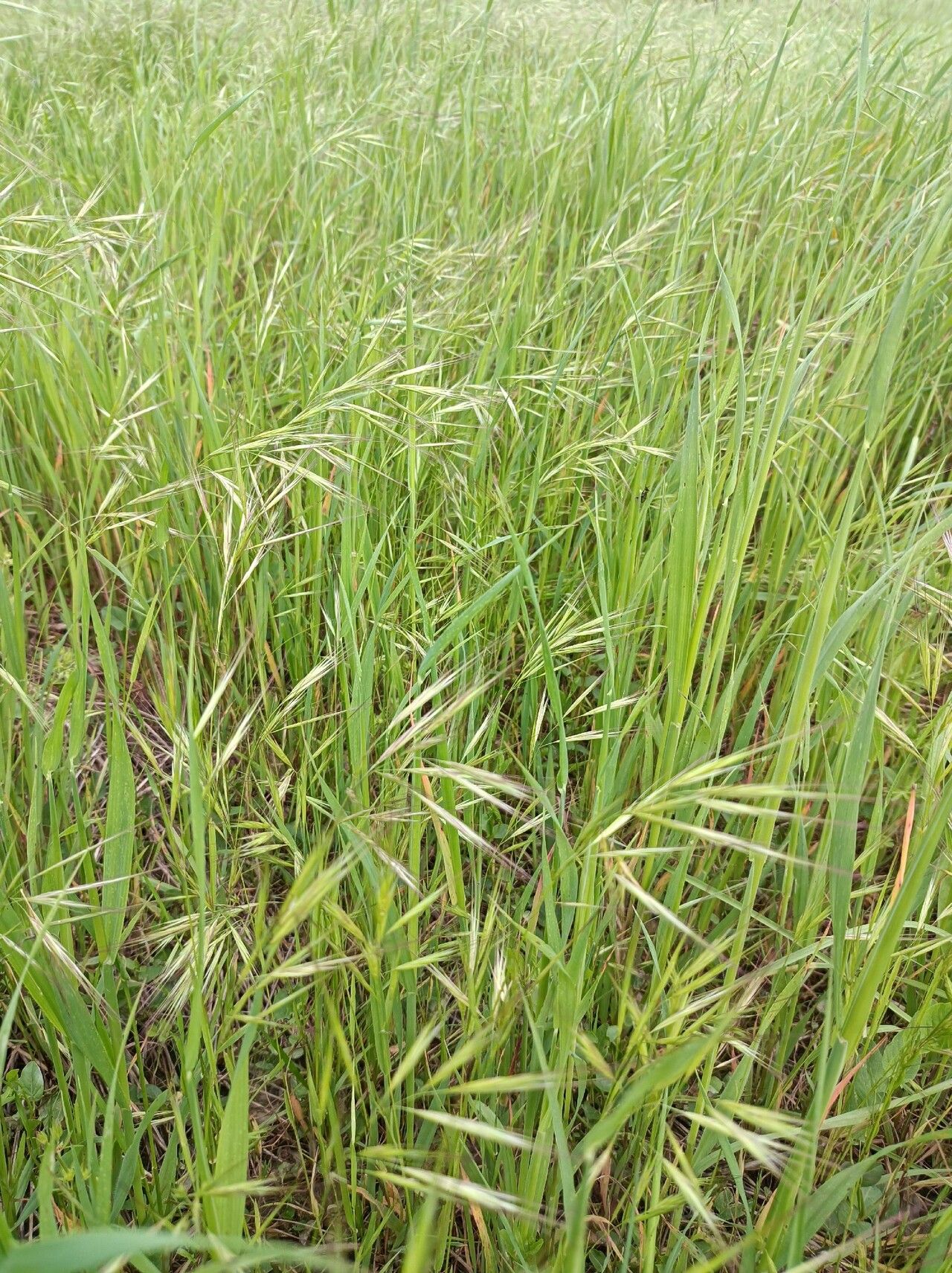
Seeding Success: Growing More Meadow Brome (Bromus commutatus)
Meadow brome (Bromus commutatus) might not be the first plant that comes to mind when you think “garden superstar,” but this often-overlooked grass plays a vital role in meadows, pastures, and even erosion control. And the best part? Propagating meadow brome is surprisingly easy, even for beginner gardeners. So, if you’re looking to introduce this adaptable and beneficial grass to your space, read on!
Two Paths to Propagation: Seed vs. Division
Meadow brome offers two straightforward methods for propagation:
Seed: The most common and efficient technique, direct sowing seeds allows meadow brome to establish itself naturally.
- Division: Ideal for increasing established clumps, this method involves physically separating and replanting sections of a mature plant.
Sowing Seeds for Simple Starts
Timing is Key: Fall or early spring are the prime times to sow meadow brome seeds. This allows the seeds to benefit from cooler temperatures and natural rainfall, crucial for germination.
Prepare the Ground: Choose a sunny or partially shaded location with well-drained soil. Lightly rake the area to remove debris and loosen the top inch of soil.
Scatter and Sow: Sprinkle seeds evenly across the prepared ground, aiming for a light distribution. Meadow brome seeds are small, so avoid sowing them too densely.
Gentle Pressure: Lightly press the seeds into the soil using your hand or a roller. This ensures good seed-to-soil contact.
- Water Wisely: Moisten the sown area with a gentle spray. Keep the soil consistently moist, not waterlogged, until the seeds germinate, which typically takes 1-2 weeks.
Dividing for Duplicates
Digging In: For established clumps, use a sharp spade or shovel to carefully dig around the plant, ensuring you lift a good portion of the root system.
Separation Strategies: Using your hands or a garden knife, divide the clump into smaller sections, each containing a healthy amount of roots and shoots.
Replanting Time: Choose a suitable location (similar light and soil conditions as the parent plant) and replant the divided sections. Ensure the crown of each division is level with the soil surface.
- Water Well and Mulch: Water thoroughly after replanting and apply a thin layer of organic mulch to retain moisture and suppress weeds.
A Few Tips for Thriving Meadow Brome
Patience is a Virtue: While meadow brome isn’t particularly slow-growing, it may take a full growing season for newly established plants to reach their full potential.
Water Wisely: Established meadow brome is relatively drought-tolerant but benefits from occasional watering during prolonged dry periods.
- Minimal Maintenance: This low-maintenance grass rarely requires fertilization. Simply mow or cut back in late winter or early spring to tidy up before new growth emerges.
Reaping the Rewards
Successfully propagating meadow brome offers a bounty of benefits. From enhancing biodiversity and supporting pollinators to preventing erosion and providing forage, this simple grass plays a crucial role in a healthy ecosystem. So why wait? Start your own meadow brome journey this season and relish the rewards of this versatile and valuable plant.