
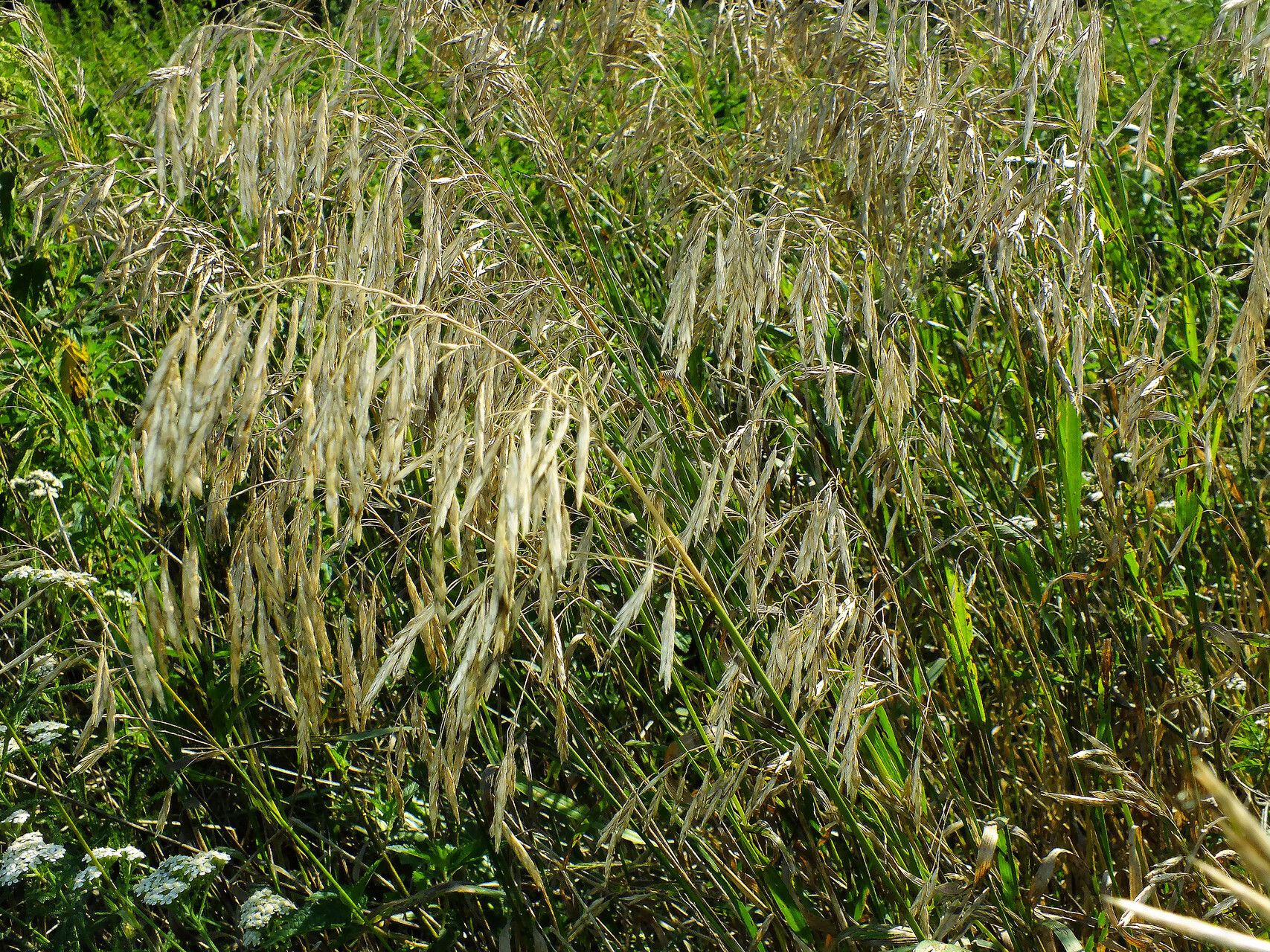
Propagating Smooth Brome (Bromus inermis): A Gardener’s Guide
Introduction:
Smooth brome (Bromus inermis), a cool-season perennial grass, is a popular choice amongst gardeners and landscapers for its hardiness, drought tolerance, and ability to establish a dense, persistent sod. Its deep root system prevents erosion, making it an excellent choice for slopes and areas prone to runoff. While readily available as established plants, propagating smooth brome can be a rewarding, albeit challenging, endeavor. Its unique characteristics, including its robust rhizomatous growth, influence the suitability of different propagation methods.
Seed Germination:
Seed germination is a viable, albeit sometimes challenging, method for propagating smooth brome.
Challenges: Smooth brome seeds often exhibit dormancy, which can hinder germination rates. This dormancy is often overcome through a process called stratification.
Practical Tips: Stratification involves exposing the seeds to cold, moist conditions for a period of time (typically 6-8 weeks) before sowing. This can be achieved by mixing seeds with moist peat moss or vermiculite and storing them in a refrigerator. After stratification, sow seeds outdoors in early spring or fall, at a depth of about ¼ inch, in well-prepared soil. Maintain consistent moisture until germination occurs, which can take several weeks.
Rewards: Seed germination offers the highest potential for genetic diversity, yielding a wider range of plants potentially better adapted to specific conditions. The method also allows for large-scale propagation, making it suitable for commercial purposes.
Cuttings:
Currently, there are no known reliable methods for propagation of Bromus inermis via cuttings. The plant relies heavily on its rhizomatous growth for vegetative spread, and stem cuttings do not readily root.
Division:
Division is a highly effective method for propagating smooth brome.
Challenges: Successfully dividing requires established, mature plants with a well-developed root system. Care must be taken during the division process to avoid damaging the rhizomes, which are crucial for the plant’s survival and regrowth.
Practical Tips: The best time for division is in early spring or fall. Dig up the mature plant, carefully separate the crown into sections, ensuring each section possesses healthy roots and several growing points. Replant these divisions immediately in well-prepared soil, ensuring adequate spacing to allow for future growth.
Rewards: Division offers a relatively quick and simple method for increase, yielding plants that are genetically identical to the parent plant and ensuring consistent characteristics.
Tissue Culture:
While tissue culture is a viable method for many plants, its application to Bromus inermis is limited. Although research into propagation methods for grasses using tissue culture continues, it remains a complex and specialized technique, typically not suitable for home gardeners. Specialized labs are required with exacting conditions and plant tissue culture media.
Conclusion:
Propagating Smooth Brome presents both challenges and rewards. Seed germination, while offering genetic diversity, requires overcoming seed dormancy and can be slower. Division offers a more straightforward approach for the home gardener but requires established plants. Cuttings and tissue culture are not practical methods currently. The satisfaction of successfully cultivating smooth brome from seed or through division, however, is amplified by the inherent difficulties involved. The knowledge gained and the beautiful, resilient plants obtained are a testament to perseverance and dedication. For home gardeners, division is recommended; for large-scale propagation, seed propagation, while challenging, offers the best return. For aspiring propagators, patience and careful attention to detail are key ingredients for success. Remember to properly prepare the soil and provide consistent moisture throughout the propagation process.