
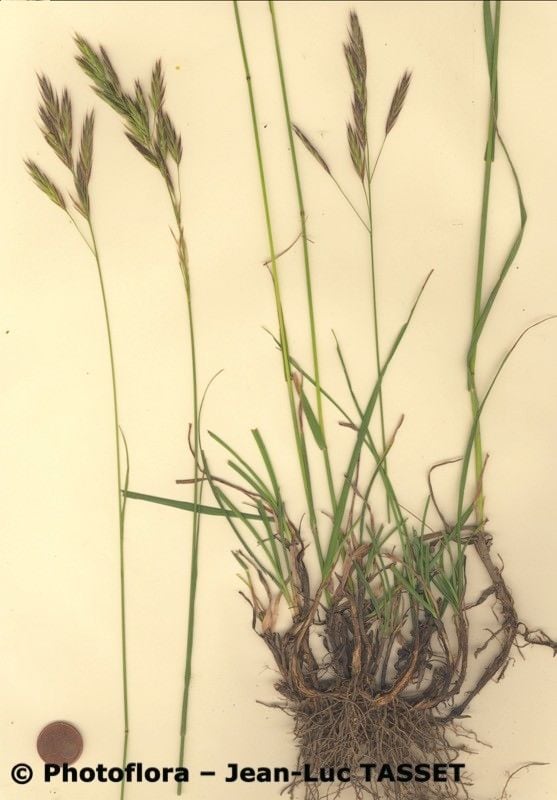
Seeding Success: A Guide to Propagating Hungarian Brome (Bromus pannonicus)
Hungarian brome (Bromus pannonicus) might be a bit of a mouthful to pronounce, but this clumping perennial grass is gaining popularity as a low-maintenance, visually appealing addition to gardens. If you’re looking to expand your own patch of this beautiful grass or share its charm with friends, you’ll be glad to know that propagating Bromus pannonicus is surprisingly straightforward.
This guide will delve into two effective methods:
1. Propagation by Seed:
The most common and accessible way to propagate Hungarian brome is through its seeds. This method mimics the natural reproduction cycle of the plant and offers a rewarding experience for any gardening enthusiast. Here’s what you need to do:
- Seed Collection: Late summer to early fall is the ideal time to harvest seeds from existing plants. Look for mature seed heads with a golden-brown hue. Gently rub the seed head between your fingers to release the seeds.
- Seed Preparation (Optional): While not mandatory, cold-stratifying the seeds can improve germination rates. This process involves mimicking winter conditions to break seed dormancy. To cold-stratify, place the seeds in a moist paper towel, seal them in a plastic bag, and store them in the refrigerator for 4-6 weeks.
- Sowing Time: Spring or early fall are the best times to sow Hungarian brome seeds. Fall sowing allows the seeds to naturally stratify over winter and germinate with the warmth of spring.
- Sowing Method: Choose a sunny location with well-drained soil. Scatter the seeds evenly on the surface and lightly rake them in, ensuring they are covered with about ¼ inch of soil.
- Watering: Keep the soil consistently moist but not waterlogged. Germination can take anywhere from 14 to 28 days.
2. Propagation by Division:
For a quicker method, consider propagating Hungarian brome through division, especially if you already have an established plant in your garden. This technique is best done in spring or early fall.
- Lifting the Clump: Using a sharp spade or garden fork, carefully lift the entire clump of Hungarian brome from the ground. Try to retain as much of the root system as possible.
- Dividing the Plant: Divide the clump into smaller sections, ensuring that each section possesses a healthy portion of roots and shoots. You can use your hands or a sharp knife to separate the sections.
- Replanting: Replant the divided sections in prepared planting holes at the same depth they were originally growing. Space them adequately, considering the mature size of the plant. Water thoroughly after planting.
Caring for Your New Hungarian Brome:
Regardless of the propagation method, proper care is essential for the healthy establishment of your new plants:
- Watering: Water regularly during the first growing season to help the roots become established. Once established, Hungarian brome is relatively drought-tolerant.
- Fertilizer: While not essential, a light application of balanced fertilizer in spring can promote healthy growth.
- Pruning: In late winter or early spring, prune back the old foliage to make way for new growth.
Propagating Hungarian brome is a rewarding endeavor that will multiply the beauty of this attractive grass in your garden. Whether you choose seed propagation or division, following these guidelines will pave the way for remarkable results. Soon, you’ll be enjoying the gentle sway and delightful texture of this charming grass for years to come!