
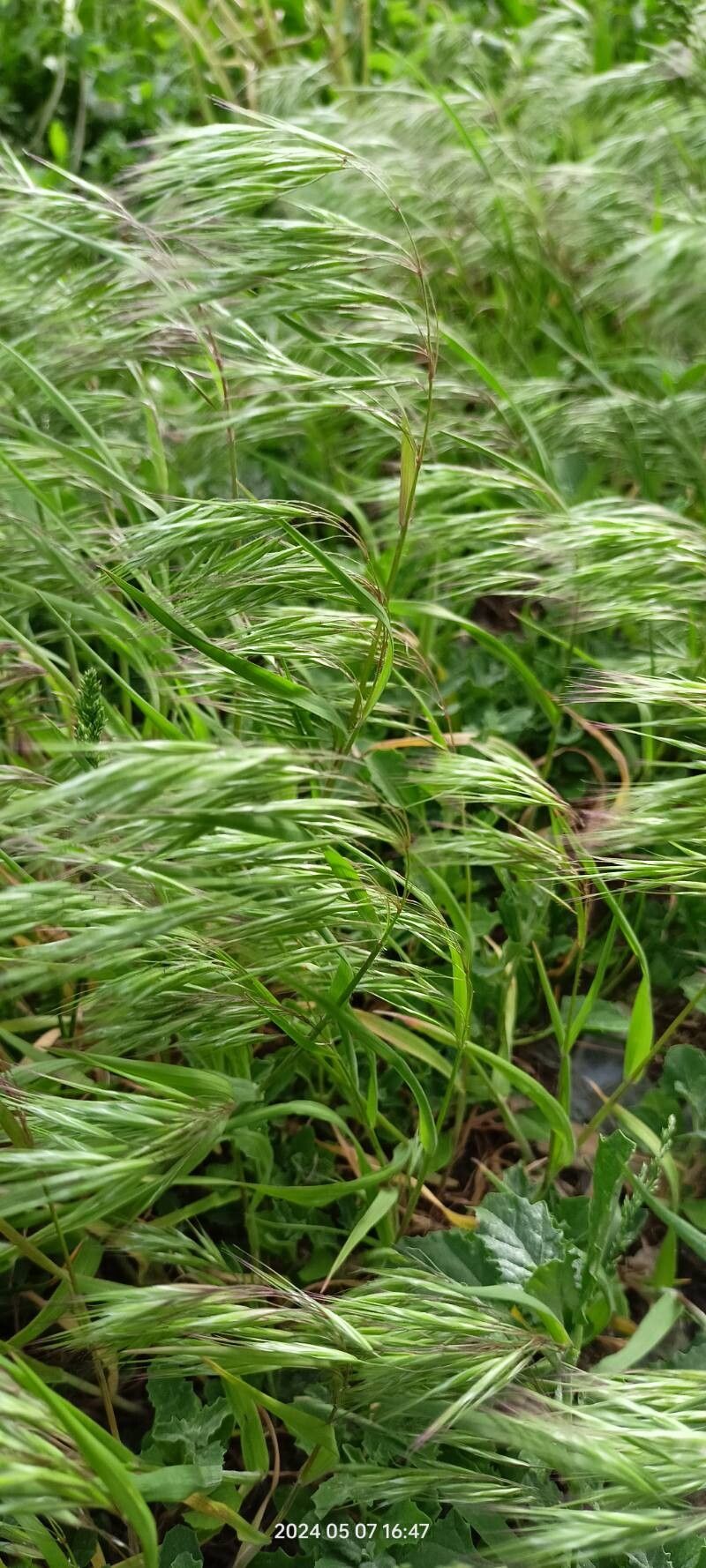
The Unstoppable March of Cheatgrass: Understanding Bromus tectorum’s Devious Propagation
Ever heard of a plant that’s not only opportunistic but downright aggressive? Meet Bromus tectorum, more commonly known as cheatgrass, a plant with a sneaky strategy for dominating landscapes. While its delicate, feathery seed heads might seem harmless, this invasive species has earned a notorious reputation for its rapid spread and destructive impact on ecosystems across the Western United States.
So how does this seemingly unassuming plant achieve such widespread success? The answer lies in its expertly crafted propagation strategy.
The Trickster’s Tactics:
- Seed Production on Steroids: Cheatgrass is a prolific seed producer, generating astounding numbers of tiny seeds—an average of 100,000 per plant! This is just the beginning of its offensive.
- Persistence is Key: Each seed boasts a remarkable lifespan, remaining viable in the soil for up to 10 years, waiting patiently for the right conditions. This allows cheatgrass to establish a sturdy seed bank, ready to germinate at any opportune moment.
- Early Bird Gets the Worm: Cheatgrass is a master of timing. It germinates early in the spring, swiftly outcompeting native plants for vital resources like water and sunlight. This quick start gives it a significant edge in the race for survival.
- Exploiting Disturbance: Cheatgrass thrives on disturbance. Whether it’s wildfires, grazing, or human development, any disruption to the ecosystem creates open ground for this opportunist to invade. Following disasters, cheatgrass often forms dense monocultures, effectively suppressing native species and altering the landscape.
- Wind-Assisted Conquest: Wind plays a key role in cheatgrass’s invasion. Its small, lightweight seeds easily detach from the plant and are carried far and wide, readily colonizing new territories.
The Ripple Effect:
The unchecked spread of cheatgrass has dramatic consequences for the environment:
- Loss of Biodiversity: Cheatgrass’s dominance smothers native plant communities, leading to a significant decline in biodiversity. This alters habitats and disrupts food webs, impacting everything from insects to larger animals.
- Increased Fire Risk: Cheatgrass’s dry, flammable foliage creates a serious fire hazard. These fires often burn hotter and more intensely, further degrading the land and hindering the recovery of native species.
- Eroded Landscapes: Once native vegetation disappears, cheatgrass’s shallow roots cannot hold the soil in place, leading to erosion and soil degradation. This further weakens the ecosystem, making it even more vulnerable.
Fighting Back:
It’s important to recognize that cheatgrass is not just a plant; it’s a challenge that requires a multi-faceted approach:
- Prevention: Careful land management practices, avoiding disturbance, and preventing seed dispersal are crucial steps in limiting cheatgrass’s spread.
- Early Detection and Control: Identifying small infestations early on allows for targeted control measures, including manual removal, herbicide application, and grazing management.
- Restoring Native Habitats: Restoring native plant communities through seeding, planting, and other techniques can help rebalance the ecosystem and reduce cheatgrass’s dominance.
The fight against cheatgrass might seem daunting, but understanding its propagation strategy is the first step in developing effective strategies for managing this formidable invader. By working together, we can empower our landscapes to resist the relentless march of this botanical trickster.