
Unlocking the Secrets of Brownea macrophylla Propagation: A Guide to Growing the “Rose of the Andes”
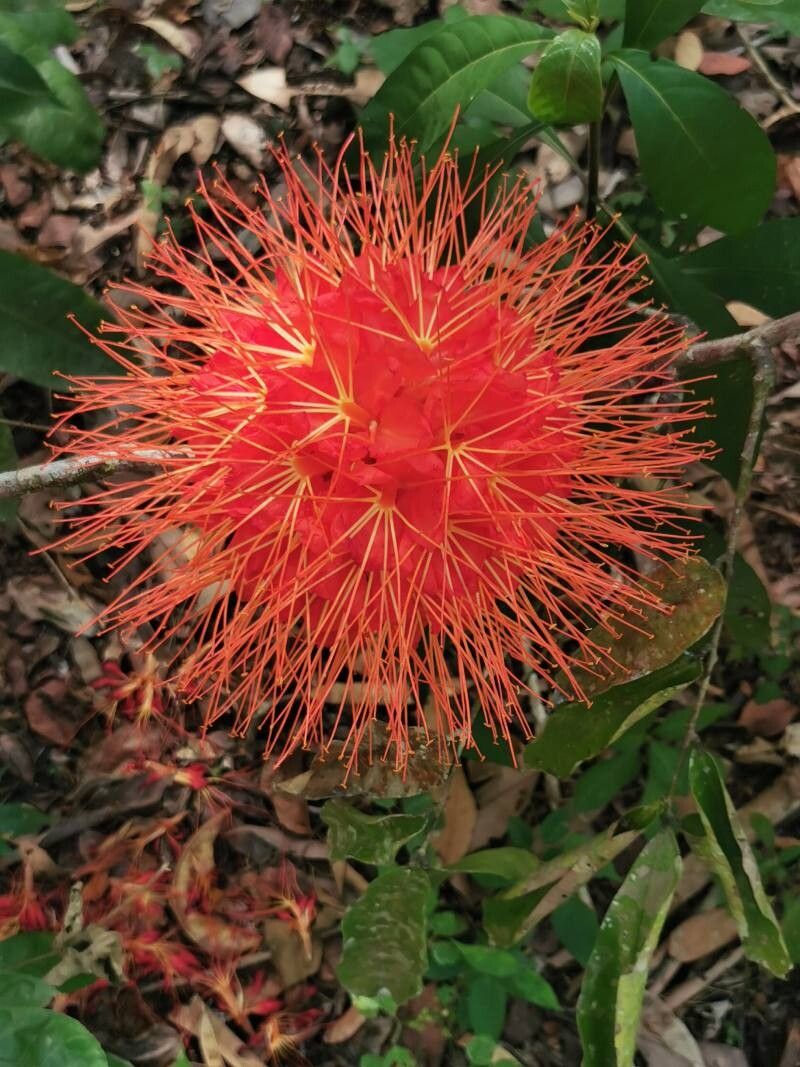
The Brownea macrophylla, aptly named the “Rose of the Andes,” is a stunning tropical tree known for its vibrant red, rose-like flowers that emerge from a cluster of leaves at the branch tips. This eye-catching display makes it a coveted addition to gardens, but obtaining a new Brownea macrophylla can be tricky.
Unlike many other plants, the “Rose of the Andes” is challenging to propagate through seeds. However, fear not! There are alternative methods that can help you bring this beautiful tree into your own space. Let’s delve into the secrets of Brownea macrophylla propagation:
1. The Power of Cuttings:
The most common method of propagation for Brownea macrophylla involves cuttings. This method is favored due to its reliability and relatively straightforward process. Here’s what you need to know:
- Timing is Key: The best time to take cuttings is during the late spring or early summer when the plant is actively growing.
- Selection is Crucial: Use sharp, sterile shears to cut a 4-6 inch section of healthy, semi-hardwood stem just below a leaf node.
- Preparation Matters: Remove the lower leaves on the cutting and dip the cut end in rooting hormone for added success.
- Environment is Essential: Plant the cutting in a well-draining potting mix and place it in a warm, humid environment with indirect light. A mini greenhouse or a propagation dome are ideal for maintaining optimal humidity.
- Patience is Virtue: Rooting can take several weeks to a few months, so patience is crucial. Keep the soil moist but not soggy.
2. Air Layering: A Gentle Approach
Air layering is an alternative propagation method that is gentler on the parent plant. This technique involves encouraging roots to develop on a stem while it is still attached to the tree.
- Choose Your Branch: Select a healthy, mature branch that is at least 1 inch in diameter and has several leaf nodes.
- Prepare the Branch: Gently scrape away a 1-inch strip of bark around the branch, exposing the cambium layer.
- Apply the Magic: Coat the exposed area with rooting hormone and wrap it in moist sphagnum moss. Secure the moss with plastic wrap or aluminum foil.
- Patience is Essential: Keep the moss consistently moist and check for root development periodically. Roots will usually develop within a few months.
- Time for Separation: Once roots are established, cut the branch below the newly formed roots and pot it in a suitable growing medium.
3. Seed Propagation: A Challenge but Possible
While notoriously difficult, Brownea macrophylla seeds can be propagated with some careful attention.
- Harvesting is Key: Collect fresh seeds from mature pods once they turn brown and dry.
- Soaking Helps: Soak the seeds in warm water for 24-48 hours before sowing to soften the hard seed coat.
- Soil Matters: Use a well-draining potting mix and sow the seeds at a depth of about half an inch.
- Warmth is Essential: Keep the seeds in a warm, humid environment with a temperature of around 80°F.
- Time is of the Essence: Germination can take several weeks to a few months.
Beyond Propagation: Caring for Your Brownea macrophylla
- Sunlight: Brownea macrophylla needs bright, indirect sunlight.
- Watering: Water consistently, allowing the soil to dry slightly between waterings.
- Humidity: This tropical tree thrives in humid environments. Consider using a humidifier or placing the plant on a pebble tray with water.
- Fertilizer: Feed your Brownea macrophylla with a balanced fertilizer during the growing season.
- Pruning: Prune regularly to maintain its shape and encourage new growth.
The Takeaway
Propagating Brownea macrophylla, while challenging, is possible with the right techniques and patience. Whether you choose cuttings, air layering, or even seed propagation, each method presents an opportunity to unlock the secrets of this remarkable tree and bring the beauty of the “Rose of the Andes” to your own garden.