
Unlocking the Secrets of Brunfelsia Densifolia Propagation: A Step-by-Step Guide
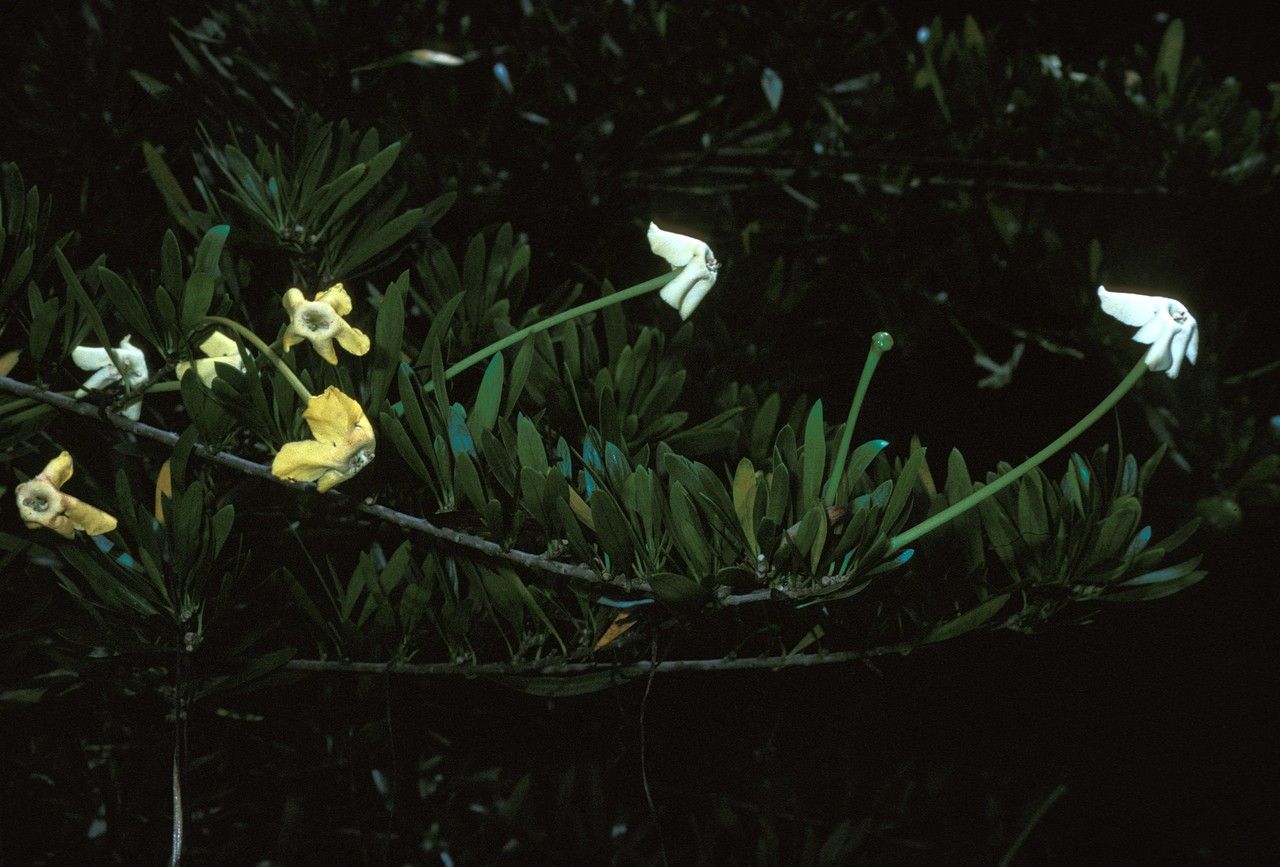
The Brunfelsia densifolia, also known as the Serpentine Hill Brunfelsia, is a captivating shrub native to Puerto Rico. Its enchanting fragrance and delicate flowers that shift from purple to white as they mature have captivated plant enthusiasts worldwide. While acquiring one might be easy, propagating this tropical beauty can seem like a gardener’s enigma. Fear not, for we’re about to unravel the secrets of multiplying your Brunfelsia densifolia and filling your garden with its intoxicating aroma.
Decoding the Propagation Puzzle: Seeds vs. Cuttings
Two primary methods exist for propagating Brunfelsia densifolia: seeds and cuttings.
Seed propagation, while possible, is less common due to several challenges. Finding viable seeds can be difficult, germination rates are often low, and the process requires significant patience, with plants taking years to flower.
Cuttings, on the other hand, offer a more accessible and efficient path to success. By taking advantage of the plant’s natural ability to generate roots from stem sections, we can create clones that mature and flower much faster.
Mastering the Art of Propagation through Cuttings
Here’s a step-by-step guide for optimal success with cuttings:
1. Timing is Key: The ideal time to take cuttings is during the active growing season, typically late spring or early summer, when the plant is bursting with energy.
2. Selecting the Perfect Cutting: Choose healthy, non-flowering stems that are semi-ripe, meaning they are firm but not overly woody. Ideally, the cutting should be 4-6 inches long, with several leaf nodes.
3. Prepare the Cutting: With a sharp, sterilized knife or pruning shears, make a clean cut just below a leaf node. Remove the leaves from the lower third of the cutting to prevent them from rotting in the soil.
4. Hormone Boost (Optional): While not strictly necessary, dipping the cut end in rooting hormone powder can significantly improve the success rate and speed up root development.
5. Planting the Cutting: Prepare small pots filled with a well-draining potting mix specifically formulated for cuttings. Make a hole in the center of each pot and gently insert the cutting. Firm the soil around the base to provide support.
6. Creating a Humid Environment: Cover the pots with a clear plastic bag or humidity dome to create a greenhouse-like environment, ensuring high humidity that is crucial for root development.
7. Patience is a Virtue: Place the pots in a well-lit area, but avoid direct sunlight. Depending on the conditions, it can take 4-8 weeks for roots to develop. You’ll know they are ready when you feel slight resistance when gently tugging on the cutting.
8. Transplanting Success: Once the cuttings have developed a robust root system, they are ready to be transplanted into larger pots or directly into the garden.
Nurturing Your New Brunfelsia Densifolia
Remember that newly propagated plants are still delicate and require extra care. Provide them with consistent moisture, well-draining soil, and partial shade to thrive.
With a little patience and the right techniques, propagating Brunfelsia densifolia can be a fulfilling experience, allowing you to multiply your collection and share the joy of this fragrant beauty with fellow plant enthusiasts.