
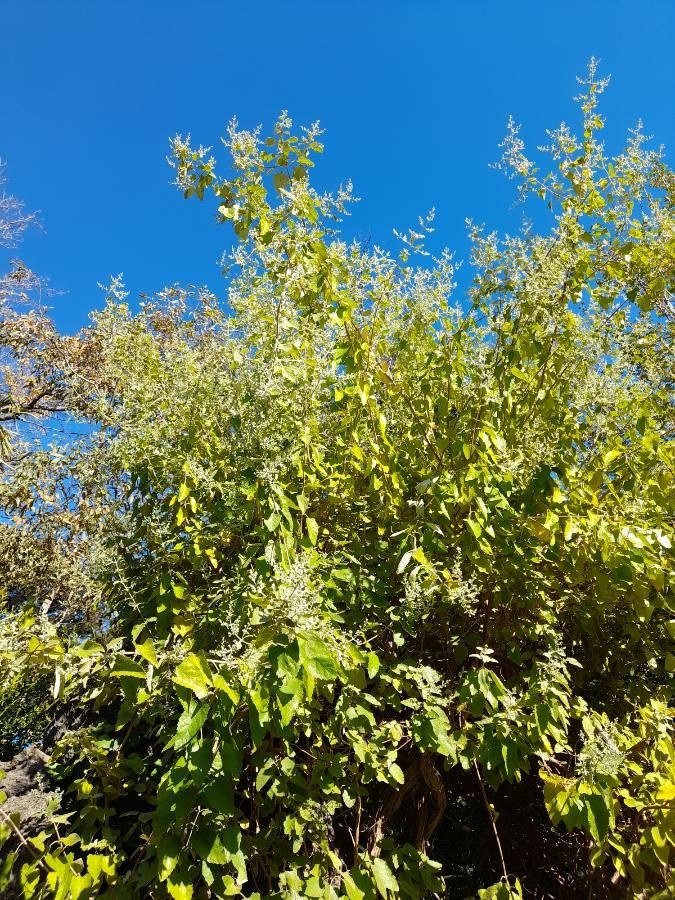
Propagating Buddleja dysophylla: A Gardener’s Guide
Introduction:
Buddleja dysophylla, also known as the fragrant buddleja or willow-leaved buddleja, is a captivating shrub prized for its delightful, fragrant flowers and attractive, willow-like foliage. Native to parts of Asia, it’s gaining popularity among gardeners for its relatively low maintenance and ability to attract butterflies and other pollinators. Its ease of propagation, despite some challenges, adds to its appeal. However, while relatively easy to propagate vegetatively, seed propagation presents significant complexities.
Seed Germination:
Currently, there are no known reliable methods for seed germination propagation of Buddleja dysophylla. While seeds may be produced, their germination rate is notoriously low, and success is highly inconsistent even under optimized conditions. This is likely due to a combination of factors including seed dormancy mechanisms and sensitivity to environmental factors.
Cuttings:
Cuttings are the most effective and widely used method for propagating Buddleja dysophylla.
Challenges: The major challenge lies in achieving a high success rate. Not all cuttings will root, and the process requires attention to detail.
Practical Tips: Take semi-hardwood cuttings in late summer or early autumn. Use cuttings about 4-6 inches long, removing lower leaves. Dip the cut ends in rooting hormone for enhanced success. Plant cuttings in a well-draining propagating mix, keeping them consistently moist (but not waterlogged) under high humidity conditions, ideally in a propagator with bottom heat.
Rewards: Cuttings offer a reliable way to produce numerous genetically identical plants, preserving desirable traits of the parent plant. This is particularly useful for propagating a specific cultivar or particularly healthy specimen.
Division:
Division of established Buddleja dysophylla plants is a feasible propagation method.
Challenges: It’s only effective with mature, well-established plants that have developed a substantial root system allowing for the careful separation of root sections each with sufficient stems. This can be physically demanding and could accidentally damage the plant.
Practical Tips: Divide the plant in early spring or autumn, carefully separating the root ball into multiple sections, each with several stems and a healthy root system. Replant each section immediately, ensuring enough space for growth, and water thoroughly to aid establishment.
Rewards: Division is a rapid way to increase your stock of plants, resulting in quicker establishment of larger colonies.
Tissue Culture:
Tissue culture is a viable, albeit technically demanding, method for propagating Buddleja dysophylla.
Challenges: This method requires specialized equipment, sterile conditions, and expertise in plant tissue culture techniques. It’s significantly more expensive and complex than cuttings or division.
Practical Tips: Sterile explant preparation and the use of appropriate growth media and plant hormones are critical. This requires extensive research and practice to ensure success.
Rewards: Tissue culture offers the potential for mass propagation and production of disease-free plants, crucial for commercial propagation or the preservation of rare cultivars.
Conclusion:
Propagating Buddleja dysophylla presents varying degrees of challenge depending on the chosen method. While seed propagation proves unreliable, cuttings offer the most straightforward and rewarding approach for the home gardener. Division provides a quicker option for established plants, though it requires skill and caution. Tissue culture presents a highly effective but specialized route better suited to commercial settings. Despite the challenges, the unique fragrance and beauty of Buddleja dysophylla, coupled with the satisfaction of successfully growing it from a cutting or division, offer a significant reward. Don’t be discouraged by initial setbacks; perseverance and attention to detail are key to success in propagating this captivating shrub. Embrace the learning process and enjoy the journey!