
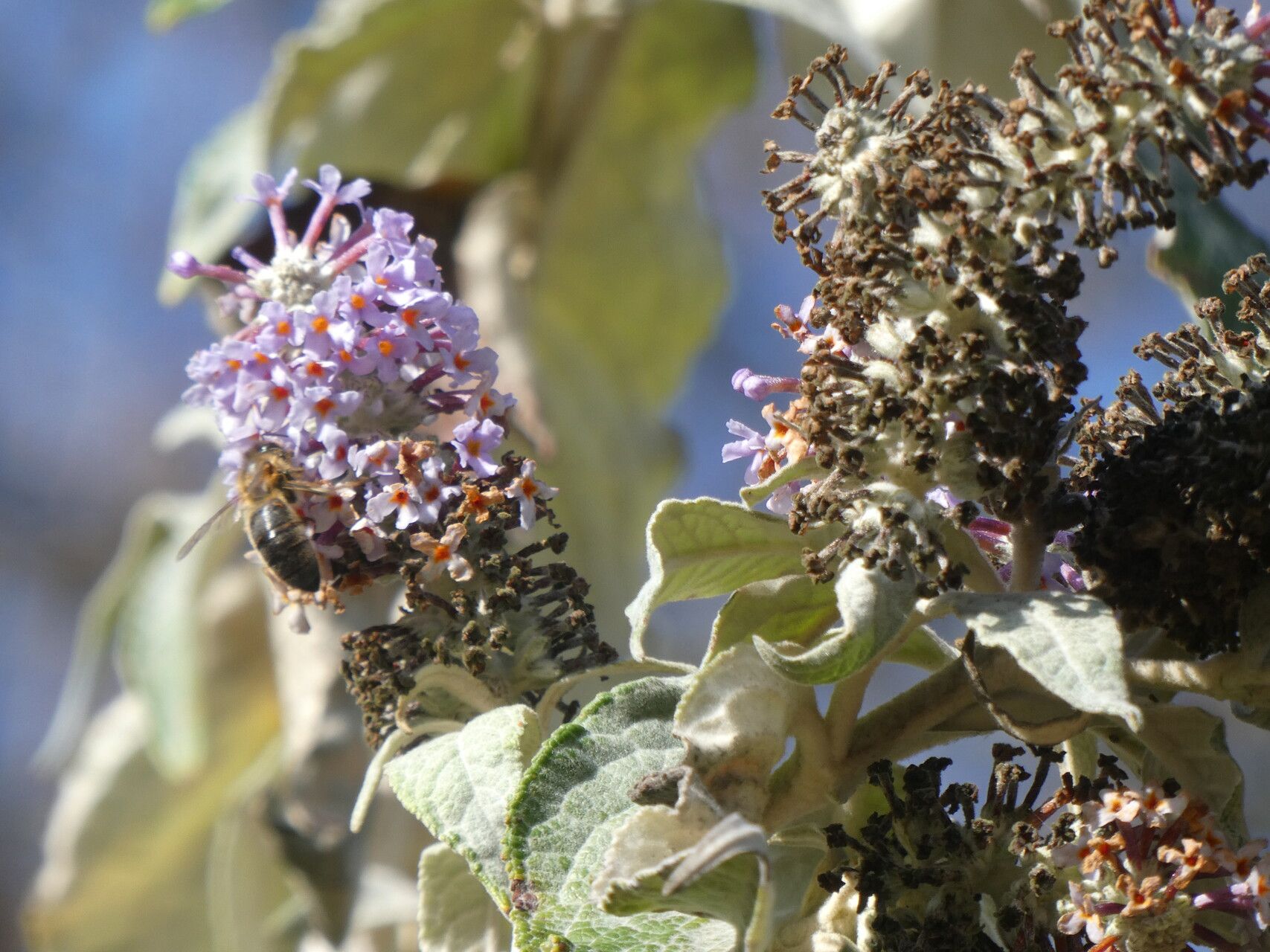
Unlocking the Secrets to Propagating a Butterfly Magnet: Buddleja fallowiana
Buddleja fallowiana, also known as the Lavender Butterfly Bush, is a captivating shrub that lures pollinators with its fragrant, lilac-blue flower panicles. This stunning plant, with its silvery-green foliage and arching branches, is a sight to behold in any garden. While easily obtainable from nurseries, wouldn’t it be rewarding to propagate your own Buddleja fallowiana and expand this butterfly haven? Let’s explore the fascinating world of propagating this beautiful shrub!
Two Paths to Propagation
Buddleja fallowiana can be propagated through two primary methods: taking cuttings and sowing seeds. Both methods offer unique advantages and can be easily mastered with a little guidance.
1. The Art of Cuttings:
Propagating from cuttings involves taking a section of the parent plant and encouraging it to develop roots. This method ensures that the new plant retains all the desirable characteristics of the parent, such as flower color and growth habit.
When to Take Cuttings:
The optimal time for taking cuttings is late spring or early summer, when the plant is actively growing.
Step-by-Step Guide:
- Prepare your tools: Gather clean, sharp pruning shears or a knife, a rooting hormone (optional but recommended), and small pots filled with a well-draining potting mix.
- Select your cuttings: Choose healthy, non-flowering shoots that are about 4-6 inches long. Make a clean cut just below a leaf node.
- Prepare the cuttings: Remove the lower leaves from the cutting, leaving only a few at the top. Dip the cut end in rooting hormone, if using.
- Planting: Gently insert the cutting into the prepared pot. Firm the soil around the base to provide support.
- Nurturing: Place the potted cuttings in a warm, bright location, out of direct sunlight. Keep the soil consistently moist but not waterlogged.
- Rooting: Within a few weeks, roots should start to develop. Once the cuttings show signs of new growth, you can transplant them into larger containers or directly into the garden.
2. The Magic of Seeds:
Propagating from seeds offers the excitement of potentially discovering new variations in flower color and form. While the seedlings might not be identical to the parent plant, this method can be a fun experiment for the adventurous gardener.
When to Sow Seeds:
Buddleja fallowiana seeds can be sown indoors in late winter or early spring.
Step-by-Step Guide:
- Prepare your seeds: No special treatment is necessary for the seeds.
- Sowing: Sprinkle the seeds on the surface of a seed-starting mix in a tray. Gently press them into the soil, but do not bury them.
- Environment: Mist the soil with water and cover the tray with a clear lid or plastic wrap to create a humid environment. Place the tray in a warm, bright location.
- Germination: Seeds usually germinate within 2-4 weeks.
- Transplanting: Once the seedlings develop a few sets of true leaves, they can be transplanted into individual pots or directly into the garden after the last frost.
Nurturing Your Buddleja Fallowiana:
Regardless of your chosen propagation method, Buddleja fallowiana thrives in full sun to partial shade and well-drained soil. Regular watering, especially during dry periods, will ensure healthy growth. Deadheading spent flowers will encourage more blooms throughout the season.
Propagating your own Buddleja fallowiana is a rewarding experience that connects you deeper with nature’s cycle. Whether you choose to nurture cuttings or embark on a journey of growing from seeds, the end result is a beautiful, butterfly-filled garden that brings joy for years to come!