
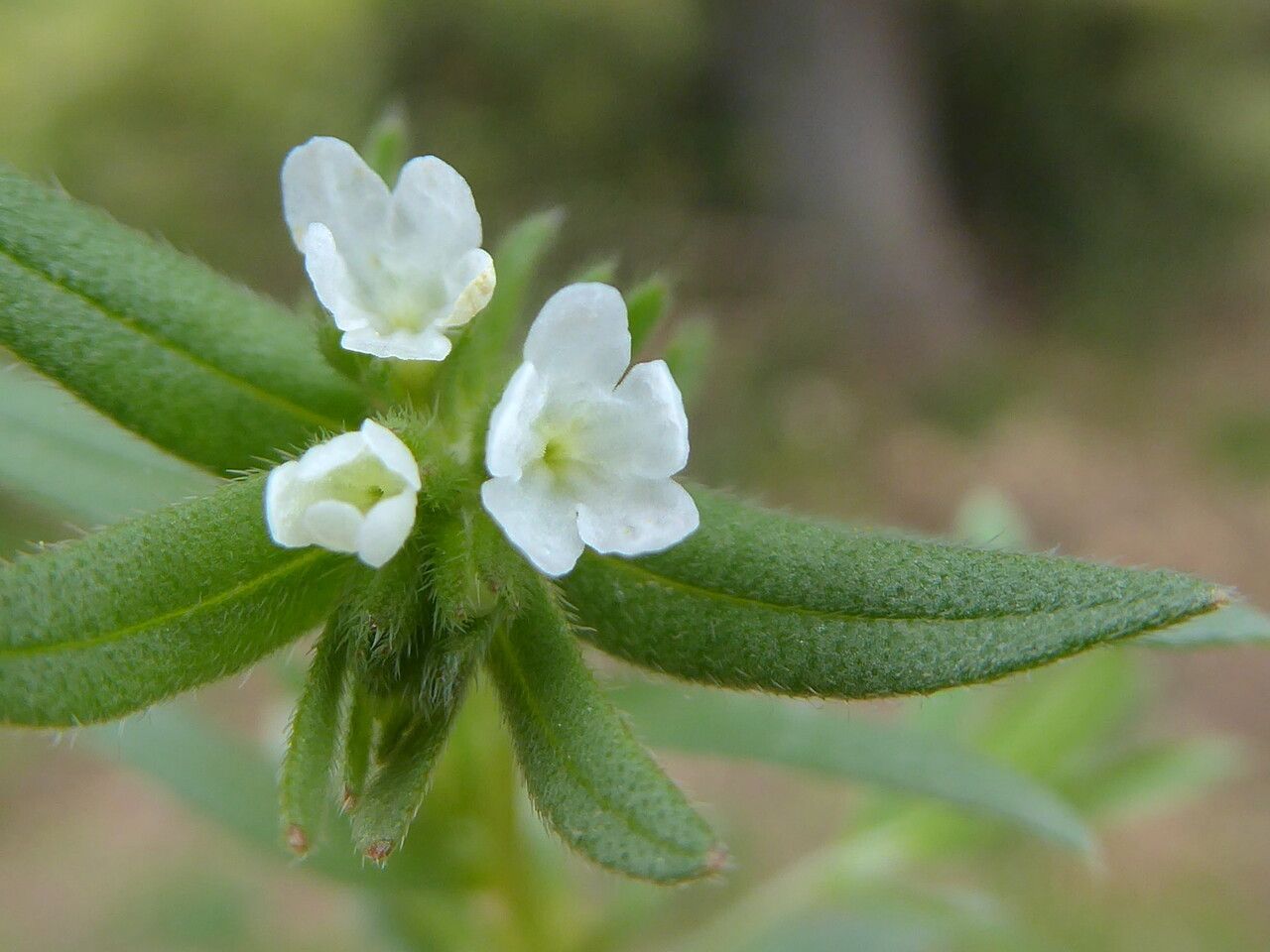
Taming the Wild: How to Propagate Corn Gromwell (Buglossoides arvensis) in Your Garden
Corn gromwell, also known by its scientific name Buglossoides arvensis, might not be the first plant that pops into your head when you think “garden must-have,” but this charming wildflower offers subtle beauty and surprising resilience. With delicate blue flowers that resemble forget-me-nots and an intriguing lifecycle, corn gromwell can add a touch of wild charm to your garden while providing food for pollinators. Ready to welcome this understated beauty into your garden? Let’s dive into the world of corn gromwell propagation!
Understanding the Life Cycle:
Corn gromwell is an annual plant, meaning it completes its entire life cycle – from seed to flower to seed again – in a single growing season. This characteristic makes it a relatively easy plant to propagate, even for beginner gardeners.
- Direct Sowing (The Easiest Route): The most straightforward way to propagate corn gromwell is by sowing seeds directly into your garden.
- Timing is Key: Aim to sow the seeds in early spring or late fall when the soil is cool and moist.
- Location, Location, Location: Choose a spot with full sun to partial shade and well-drained soil. While corn gromwell tolerates a variety of soil types, it prefers slightly alkaline conditions.
- Sowing Technique: Scatter the seeds on the prepared soil surface and lightly rake them in, ensuring they are covered by a thin layer of soil (about ¼ inch deep). Water gently and keep the soil consistently moist until germination occurs, which typically takes 10-14 days.
- Starting Indoors (For a Head Start): If you live in an area with a short growing season or simply prefer a head start, you can start corn gromwell seeds indoors about 4-6 weeks before the last frost date in your region.
- Seed Starting Mix: Use a seed starting mix and sow seeds in individual pots or trays.
- Light and Warmth: Place the pots in a warm, bright location, but out of direct sunlight.
- Transplanting Time: Once the seedlings have developed a few sets of true leaves and all danger of frost has passed, harden them off gradually and then transplant them to your prepared garden bed.
Caring For Your Corn Gromwell:
Corn gromwell is a relatively low-maintenance plant, especially when established. Here are a few tips for success:
- Watering: Water regularly during dry spells, but avoid overwatering.
- Thinning: If you have sown seeds directly, thin out crowded seedlings to provide adequate spacing for growth (around 6-8 inches apart).
- Deadheading (Optional): While not strictly necessary, you can pinch off spent flower heads to encourage bushier growth and potentially prolong the blooming period.
Beyond the Garden:
Corn gromwell isn’t just a pretty face! This versatile plant has a rich history of medicinal and culinary uses. In the past, the seeds were used to make a blue dye, while the leaves were enjoyed as a cooked green. However, it’s essential to consult reliable sources before using any plant for medicinal or edible purposes.
Inviting Wild Charm:
Propagating corn gromwell in your garden is an easy and rewarding way to embrace the beauty of native wildflowers and support local pollinators. With minimal effort, you can enjoy its delicate blue blossoms and add a touch of untamed beauty to your outdoor space. So, why not give corn gromwell a try? It might just surprise you with its resilience and charm.