
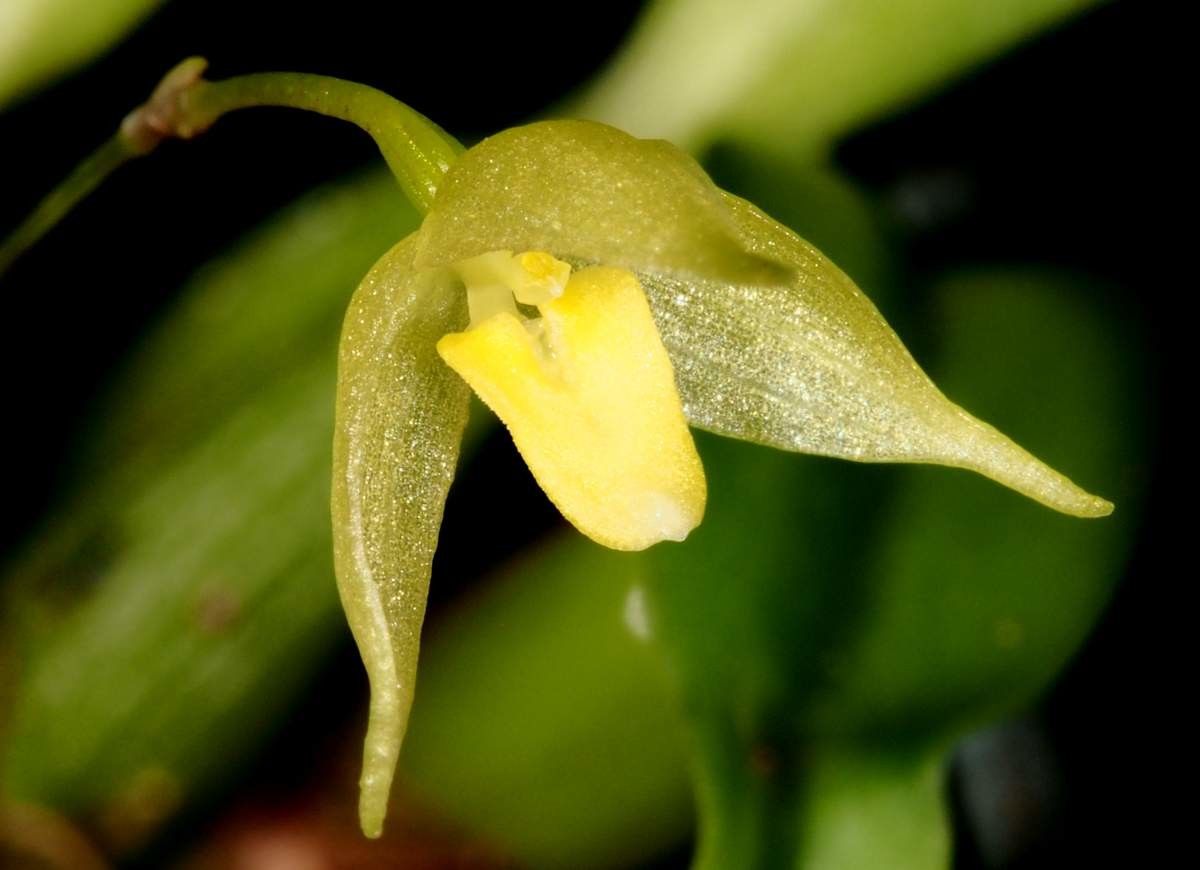
Unlocking the Secrets of Bulbophyllum aphanopetalum Propagation: A Guide for Orchid Lovers
The Bulbophyllum aphanopetalum, with its cascading chains of intricately detailed blooms, is a true showstopper in the orchid world. Native to the rainforests of Papua New Guinea, this epiphytic wonder captivates with its unique beauty. But for many orchid enthusiasts, the allure goes beyond simply admiring its charm. Successfully propagating Bulbophyllum aphanopetalum can be a rewarding experience, allowing you to multiply your collection and share the joy of this fascinating species.
While not as straightforward as propagating some common houseplants, mastering Bulbophyllum aphanopetalum propagation is achievable with the right knowledge and a bit of patience. Here’s your guide to successfully multiplying this fascinating orchid:
Understanding the Plant:
Before diving into propagation techniques, it’s essential to understand the growth habit of Bulbophyllum aphanopetalum. This sympodial orchid grows laterally, producing new growths along a rhizome. Each new growth, or pseudobulb, will eventually bear flowers. This growth pattern provides us with two main methods of propagation: division and back bulb propagation.
1. Division:
The most common and arguably easiest method, division involves separating mature plants with multiple healthy pseudobulbs.
- Timing: The ideal time for division is during spring, just before the plant enters its active growing season.
- Process:
- Carefully remove the plant from its pot.
- Using a sterilized cutting tool, divide the rhizome into sections, ensuring each section has at least 3-4 healthy pseudobulbs with active roots.
- Treat any cut surfaces with fungicide.
- Pot each division in a well-draining orchid mix, ensuring the rhizome is slightly above the potting medium.
- Water sparingly until new growth is observed.
2. Back Bulb Propagation:
This method utilizes older, often leafless pseudobulbs (back bulbs) to generate new plants. While it requires more patience, it offers a chance to rejuvenate older plants and increase your stock.
- Process:
- Remove any back bulbs that have separated from the main plant or are easily detached.
- Place the back bulbs in a humid environment, like a sealed container with moist sphagnum moss.
- Provide bright, indirect light and maintain temperatures around 70-80°F (21-27°C).
- Over time, the back bulbs will sprout new growths and roots. Once these are established, pot them as you would a mature division.
Key Factors for Success:
Regardless of the chosen method, consider these factors for successful Bulbophyllum aphanopetalum propagation:
- Hygiene: Always sterilize your cutting tools to prevent the spread of diseases.
- Potting Mix: Use a well-draining orchid mix that allows for adequate airflow around the roots.
- Humidity and Watering: This species thrives in humid conditions. Provide adequate humidity through misting or a humidifier. Water only when the potting mix is almost dry.
- Light and Temperature: Bright, indirect light and warm temperatures are ideal for this orchid’s growth.
Propagating Bulbophyllum aphanopetalum can be incredibly rewarding, allowing you to expand your collection and appreciate the intricate lifecycle of this fascinating orchid. With patience, the right knowledge, and a bit of orchid loving care, you’ll be well on your way to growing a thriving colony of these botanical gems.