
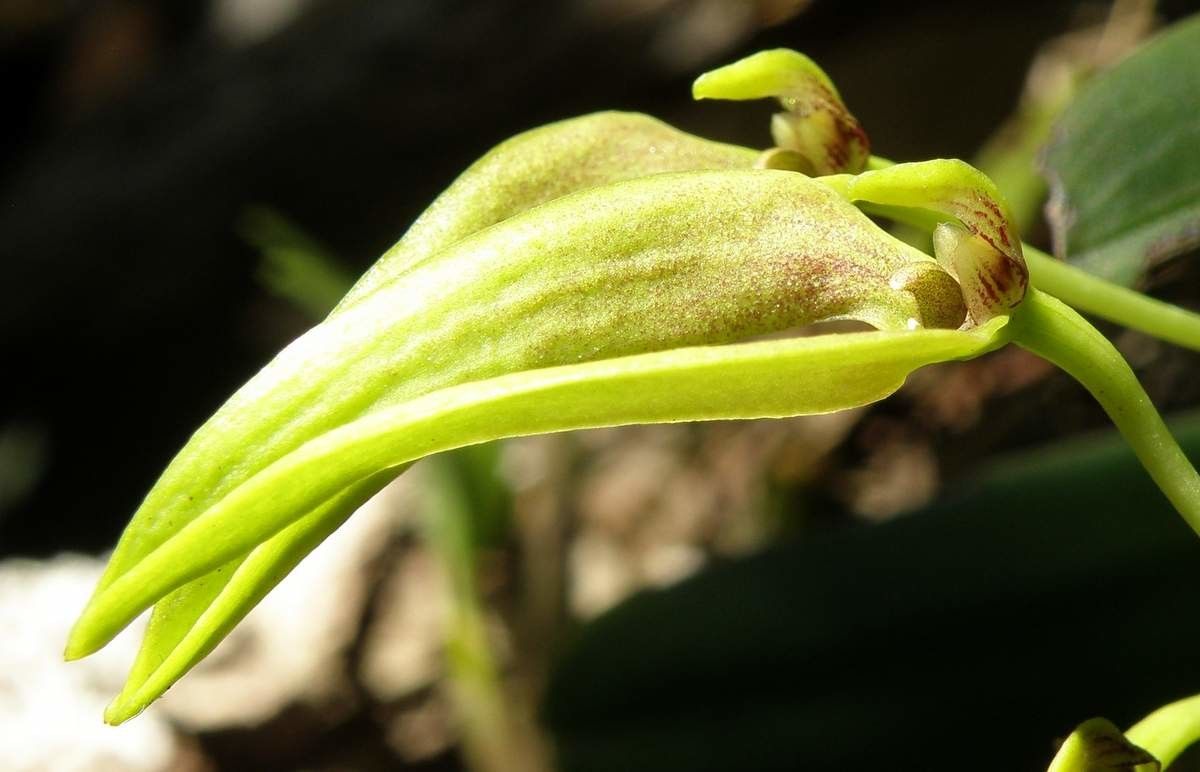
Unlocking the Secrets of Bulbophyllum baladeanum Propagation: A Guide for Orchid Lovers
Bulbophyllum baladeanum, with its intriguing spider-like blooms and captivating fragrance, is a true gem in the orchid world. While its unique beauty is undeniable, many enthusiasts shy away from propagating this species, believing it to be too complex. Fear not, fellow orchid aficionados! This guide will demystify the process and equip you with the knowledge to successfully propagate your very own Bulbophyllum baladeanum.
Understanding the Basics
Before diving into the techniques, it’s crucial to understand the basic growth habit of this fascinating orchid. Bulbophyllum baladeanum is a sympodial epiphyte, meaning it grows horizontally, producing new growths or “pseudobulbs” along a rhizome. Each pseudobulb typically bears a single, leathery leaf and produces a single flower stalk.
Methods for Propagation
Two primary methods exist for propagating Bulbophyllum baladeanum: division and back bulbs.
1. Division
This method, best suited for mature and healthy plants, involves dividing the rhizome to create multiple plants.
- Timing is Key: The ideal time for division is during spring, just as new growth begins.
- Tools of the Trade: You’ll need a sterilized, sharp cutting tool (pruning shears or a scalpel), a fungicide powder, and appropriately sized pots with your chosen orchid potting mix.
- The Process:
- Unpot and Inspect: Carefully remove the plant from its pot and inspect the rhizome. Identify sections with at least 3-4 healthy pseudobulbs each.
- Make the Cut: Using your sterilized tool, cut cleanly through the rhizome at the chosen point.
- Dust and Dry: Dust all cut surfaces with fungicide powder to prevent infection. Allow the divisions to air dry for a day or two, allowing the cuts to callous over.
- Potting Up: Pot the divisions individually in well-draining orchid mix, ensuring the rhizome is positioned just above the surface of the potting medium.
2. Back Bulbs
Back bulbs are older, often leafless pseudobulbs that may appear dormant but hold the potential for new growth. While this method takes longer, it can be a rewarding way to revive struggling plants or multiply your collection.
- Identification and Removal: Locate back bulbs on the rhizome. They will be smaller and may appear shriveled. Gently twist them off the rhizome.
- The Right Environment: Place the back bulbs on a bed of slightly moistened sphagnum moss within a humid, warm environment. A propagation box or even a sealed plastic bag placed in a bright location (out of direct sunlight) will suffice.
- Patience is a Virtue: Back bulbs can take several weeks, even months, to sprout new growth. Maintain the humidity and check periodically for signs of rot or disease.
- Potting: Once new roots and shoots emerge, carefully pot the back bulb as you would a mature division.
Post-Propagation Care
After division or successful back bulb propagation, provide your new Bulbophyllum baladeanum with bright, indirect light, warmth, and humidity. Water sparingly until new growth establishes, then gradually resume your regular watering routine.
Conclusion
Propagating Bulbophyllum baladeanum is a rewarding endeavor that allows enthusiasts to expand their collection and gain a deeper appreciation for this unique orchid. With patience, the right techniques, and a touch of love, you can witness the magic of new life unfold and enjoy the captivating beauty of this species for years to come.