
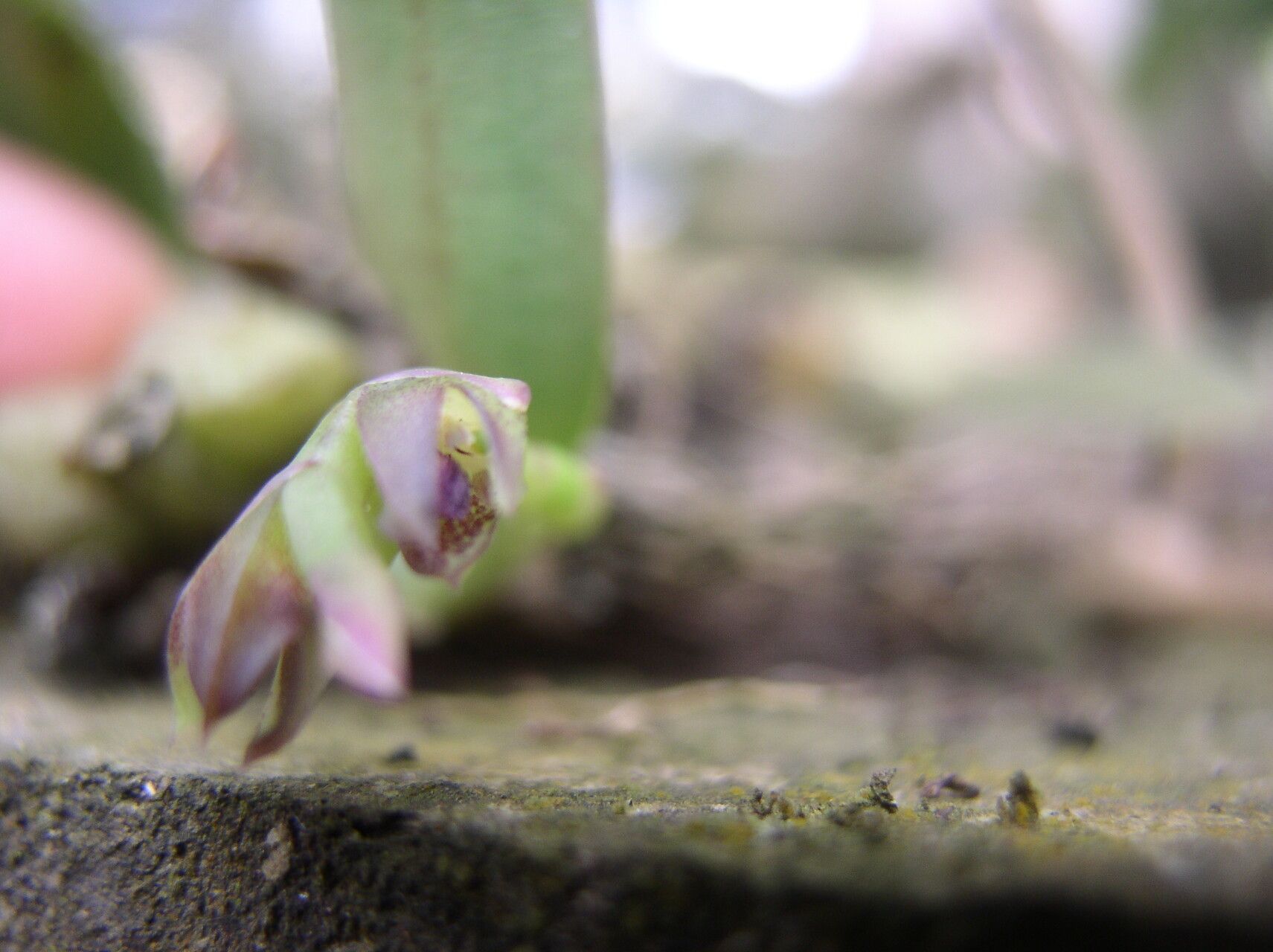
Unveiling the Secrets: Propagating the Enigmatic Bulbophyllum carnosisepalum
The Bulbophyllum carnosisepalum, with its captivating, fleshy flowers and intriguing, miniature stature, is a coveted jewel for orchid enthusiasts. But how do you share this beauty with others?
The joy of propagating your Bulbophyllum carnosisepalum lies not only in expanding your collection but also in witnessing the incredible journey from a tiny fragment to a thriving plant. Let’s explore the methods you can use to propagate this unique orchid species.
1. Division: A Simple Start
For mature Bulbophyllum carnosisepalum plants that have grown into a dense clump, division is the most straightforward propagation method.
Here’s how:
- Timing is key: The best time for division is after the plant has finished flowering.
- Carefully separate: Gently remove the plant from its pot and carefully divide the clump into smaller sections. Each division should have a healthy root system and a few pseudobulbs.
- Repotting: Plant each division in a pot of appropriate size, using a well-draining orchid potting mix. Water generously and provide bright, indirect light.
2. Keiki: The Plantlets of the Orchid World
Bulbophyllum carnosisepalum, like other orchids, can produce keikis – tiny plantlets that develop on the flower stalk or at the base of the plant. These keikis can be easily removed and grown into independent plants.
- Patience is key: Keikis usually take several months to develop a strong root system.
- Gentle separation: Once the keiki has a few roots of its own, carefully detach it from the parent plant.
- Individual care: Plant the keiki in a small pot with orchid bark and mist regularly. Ensure good airflow, and provide bright, indirect light.
3. Tissue Culture: A Breakthrough in Propagation
Tissue culture, a sophisticated method not typically utilized by home growers, offers a way to multiply Bulbophyllum carnosisepalum plants in large numbers.
- Lab-based process: This technique involves growing plant cells in a sterile lab environment.
- Benefits: It allows for rapid propagation, producing disease-free plants.
- Accessibility: Though less accessible to the novice grower, several labs offer tissue culture services for various orchid species.
Tips for Success:
- Sterility is crucial: When handling Bulbophyllum carnosisepalum for propagation, always use sterilized tools and work in a clean environment to prevent fungal growth.
- Patience is vital: Propagation, especially via keikis, requires patience and attention to detail.
- Observe and adjust: Regularly monitor your new plantlets for signs of growth or stress, and adjust watering and light accordingly.
Conclusion:
Propagating the Bulbophyllum carnosisepalum is a fulfilling journey that allows you to share the beauty of this exquisite orchid with others or simply expand your collection. Whether you choose to divide a mature plant, nurture a keiki, or opt for the more complex tissue culture method, remember to provide the proper care and attention for these little wonders to thrive.
With a bit of patience and dedication, you can witness the magic of propagation unfold, and see your Bulbophyllum carnosisepalum flourish into a captivating orchid display, spreading joy and wonder for years to come.