
Unlocking the Secrets of Bupleurum atlanticum: A Guide to Propagation
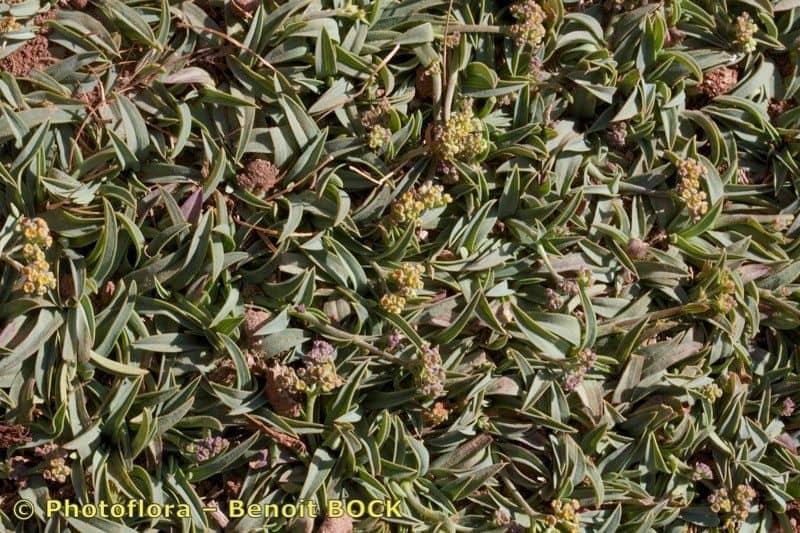
Bupleurum atlanticum, with its delicate umbels of yellow-green flowers and intriguing blue-green foliage, might not be the first plant that comes to mind when you think of gardening. However, this lesser-known perennial offers a unique textural element to any landscape and attracts beneficial pollinators to the garden. If you’re looking to expand your plant repertoire and embrace something a bit different, propagating Bupleurum atlanticum might be your next green adventure.
While it may seem daunting at first, this guide will demystify the process and provide you with all the information you need to successfully propagate this fascinating plant.
Two Paths to Propagation:
1. Seed Starting: Embracing the Element of Surprise:
Propagating Bupleurum atlanticum from seed is an exciting, albeit slightly more challenging, endeavor. This method requires patience, but the potential to grow several plants at once makes it a rewarding experience.
- Timing is Key: Start your seeds indoors approximately 6-8 weeks before the last expected frost in your area.
- Sowing the Seeds: Sow seeds in a well-draining seed starting mix, lightly pressing them into the surface. Bupleurum atlanticum seeds benefit from light for germination, so avoid burying them too deep.
- Warmth and Moisture: Maintain a consistently warm temperature around 70-75°F (21-24°C) and keep the soil evenly moist but not waterlogged. A humidity dome or covering the tray with plastic wrap can help create a favorable environment.
- Transplanting Time: Once the seedlings have developed a few sets of true leaves and the risk of frost has passed, gradually harden them off by introducing them to outdoor conditions for increasingly longer periods. Transplant them to their final location in the garden, spacing them approximately 12-18 inches apart.
2. Division: Sharing the Bounty
For a more predictable and faster method, division is the way to go. This technique involves separating established plants to create new ones.
- When to Divide: The ideal time for division is in early spring or fall when the plant is dormant or actively growing but temperatures are cooler.
- Dividing the Clump: Carefully dig up the entire plant, ensuring you get as much of the root system as possible. Using a sharp, clean knife or garden spade, divide the clump into sections, making sure each section has a good amount of roots and shoots.
- Replanting: Replant the divisions immediately into prepared planting holes, ensuring they are at the same depth they were originally growing. Water thoroughly.
Essential Tips for Success:
- Well-Drained Soil is Crucial: Bupleurum atlanticum thrives in well-drained soil. Heavy, waterlogged soil can lead to root rot. Amend your soil with perlite or sand if needed to improve drainage.
- Sun or Partial Shade: While it prefers full sun, Bupleurum atlanticum can tolerate partial shade, especially in hotter climates.
- Water Wisely: Once established, this plant is relatively drought-tolerant, but consistent watering during its first year is crucial for establishing a strong root system.
- Pest and Disease Resistance: Bupleurum atlanticum is generally pest and disease-free, making it a low-maintenance addition to the garden.
Propagating Bupleurum atlanticum might require a bit of effort, but the rewards are well worth it. This unique and beautiful plant will bring a touch of elegance and intrigue to your garden for years to come. So why not give propagation a try? You might be surprised at the satisfaction of nurturing new life from seed or division.