
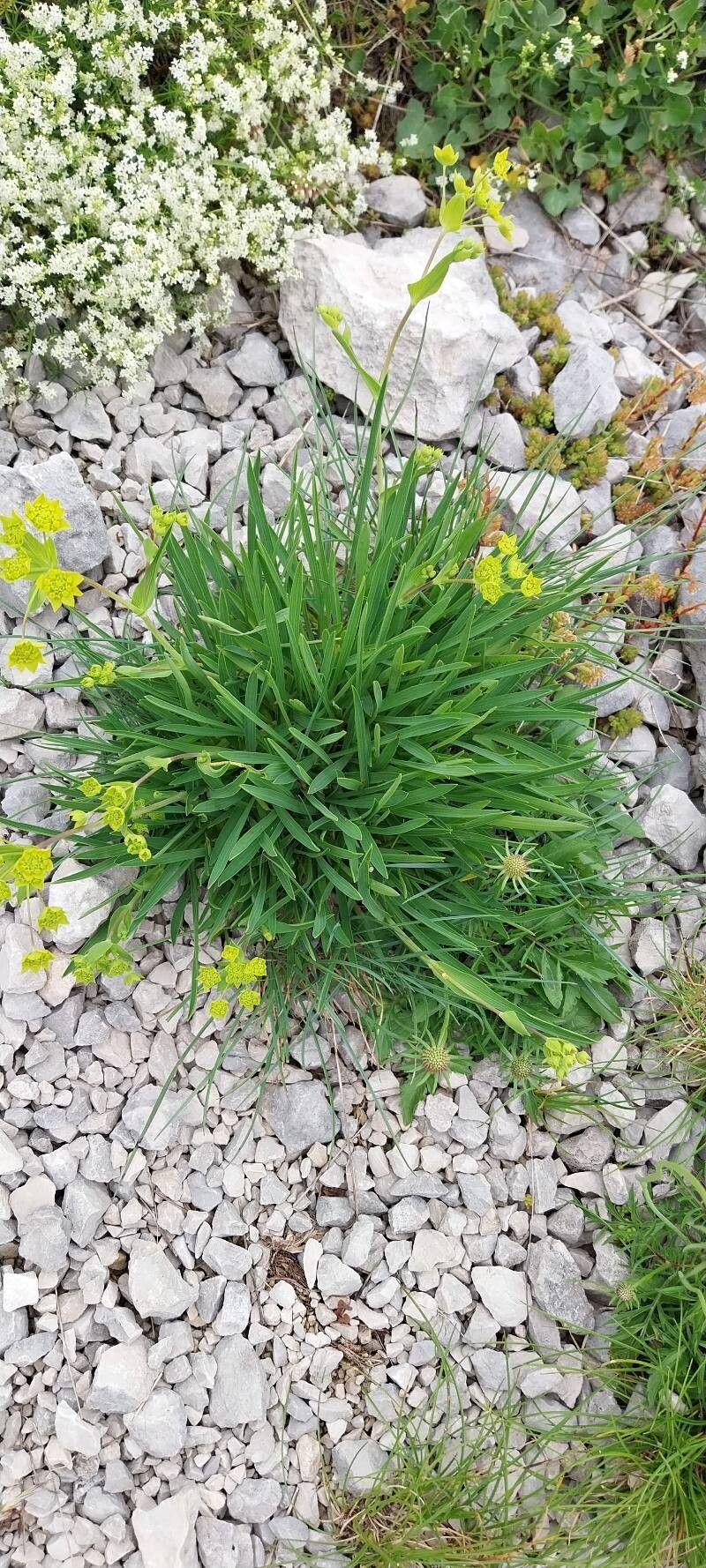
From One to Many: Propagating the Elegant Bupleurum ranunculoides
The Bupleurum ranunculoides, with its delicate, bright yellow umbels and feathery, finely dissected foliage, makes a stunning addition to any garden. But what if you could easily share this beauty with friends, or expand your own collection? The good news is, propagation of Bupleurum ranunculoides is relatively straightforward, and this article will guide you through the process.
Seeds: A New Generation
The most common and reliable way to propagate Bupleurum ranunculoides is through seed. This method allows you to start fresh plants from scratch and is perfect for creating a larger quantity.
- Harvesting Seeds: Wait until the seed heads turn a rich brown and begin to dry. Gently rub the seeds out of the seed head and collect them in a paper bag or envelope.
- Sowing: Sow the seeds directly outdoors in a sunny spot after the last frost, or start them indoors in seed trays filled with a seed-starting mix about 8-10 weeks before your last frost date. Barely cover the seeds with soil, as they need light to germinate.
- Germination: Keep the soil moist and warm (around 70°F) and watch for seedlings to emerge in 2 to 4 weeks. Thin out seedlings to give them ample space to grow.
- Transplanting: Once the seedlings have developed a few sets of true leaves, they can be transplanted outside to their permanent location. Ensure the soil is well-drained, as Bupleurum ranunculoides doesn’t tolerate waterlogging.
Dividing for Easy Expansion
If you already have an established Bupleurum ranunculoides plant, you can propagate it by division. This method is less common but offers a quick way to create new plants, and it’s an excellent option for those who want to preserve the specific traits of their existing plant.
- Timing: Spring or early fall is the best time to divide Bupleurum ranunculoides. Be sure to choose a cooler, less sunny period to avoid stressing the plants.
- Dividing: Dig up the plant carefully, ensuring you don’t damage the roots. Use a sharp knife or garden trowel to separate the plant into smaller clumps, making sure each division includes some roots and healthy foliage.
- Replanting: Plant the divisions immediately in new pots or directly into the garden, ensuring they’re spaced appropriately.
Cutting Techniques for Propagation
Though less common, Bupleurum ranunculoides can also be propagated by cuttings. This method is a bit more technical and requires some patience but can be a successful way to increase your plant collection.
- Timing: Take cuttings in the spring or early summer when the plant is actively growing. Choose healthy, non-flowering stems.
- Cuttings: Take 4-6 inch cuttings from the tips of the stems, ensuring each cutting has several leaves. Remove the bottom leaves and make a clean cut just below a node.
- Rooting: Dip the cut ends in rooting hormone and insert them into a pot filled with a rooting mix. Cover the pot with a clear plastic bag or dome to create humidity, and keep the mix moist but not waterlogged.
- Care: Place the cuttings in indirect sunlight and check them regularly for root development. Once new growth appears, it’s a signal that roots have formed and the cuttings are ready to be transplanted to their permanent location.
Tips for Successful Propagation
regardless of your chosen method, there are a few key tips to ensure success:
- Sterility: To prevent fungal diseases, sterilize your tools before and after handling any plant material.
- Moisture: Ensure the soil remains moist but not waterlogged, especially when starting seeds or rooting cuttings.
- Light: Provide adequate light, but avoid strong sun for seedlings and cuttings.
- Patience: Propagation takes time, so be patient and continue providing proper care until the new plants establish themselves.
With a little patience and care, you can enjoy the vibrant beauty of Bupleurum ranunculoides in your garden for years to come. Go ahead, embrace the joy of propagation and share this elegant plant with all who love to garden!