
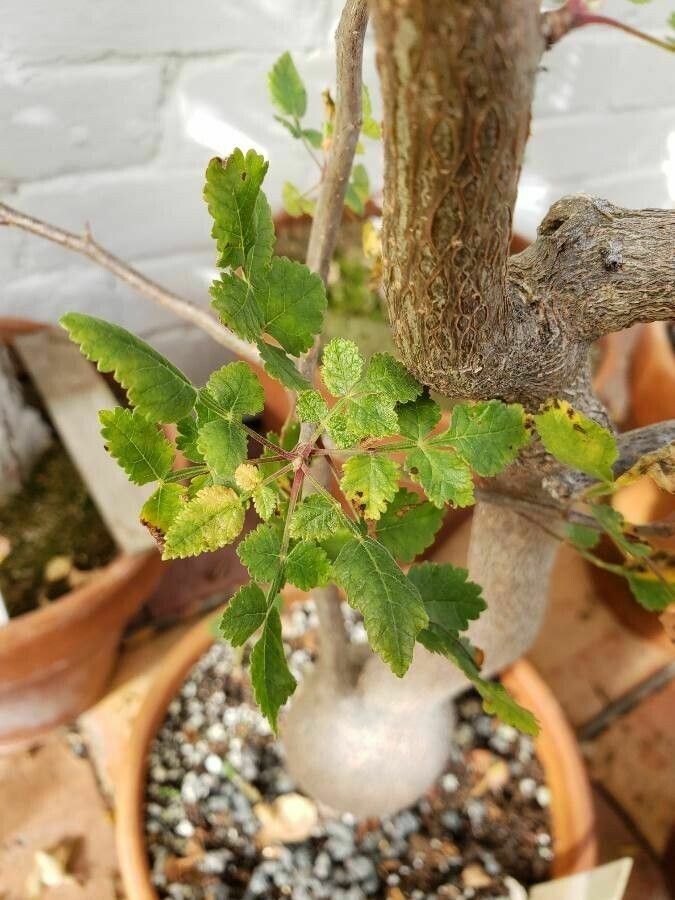
Unlocking the Secrets of the Fern Leaf Elephant Tree: A Guide to Bursera filicifolia Propagation
The Fern Leaf Elephant Tree, scientifically known as Bursera filicifolia, is a captivating plant with its unique, delicate foliage and intriguing, elephant-skin-like bark. This stunning tree, native to Mexico, can make a dramatic statement in your garden or home. Have you ever been mesmerized by its beauty and wondered about growing your own? While not the easiest species to propagate, mastering the art of cultivating Bursera filicifolia is a rewarding endeavor. Let’s delve into the two primary methods:
1. Seed Propagation: Embracing the Element of Patience
Propagating Bursera filicifolia from seed offers a fulfilling journey from tiny seed to grand tree. Here’s how:
- Seed Source: Sourcing viable seeds is crucial. Reputable online retailers specializing in exotic plants are your best bet.
- Seed Preparation: The seeds possess a hard outer shell that necessitates scarification to enhance germination. Gently nick the seed coat with a file or sandpaper, being careful not to damage the embryo inside.
- Sowing: Plant the scarified seeds in a well-draining soil mix, about half an inch deep. Maintain a consistently moist, but not soggy, environment.
- Patience is Key: Germination can be slow and erratic, taking anywhere from a few weeks to several months. Don’t lose hope! Providing warmth (around 75-85°F) and consistent moisture will encourage sprouting.
- Transplanting: Once seedlings develop a few sets of true leaves and seem sturdy, transplant them into individual pots with a well-draining soil mix.
2. Cutting Propagation: A Faster Route to Success
For those seeking quicker results, propagating Bursera filicifolia from cuttings is the preferred method. Here’s a step-by-step guide:
- Timing is Everything: The best time for taking cuttings is during the active growing season, preferably in spring or early summer.
- Selecting Cuttings: Choose healthy, semi-hardwood branches, approximately 4-6 inches long, with visible growth nodes.
- Preparing the Cuttings: Remove leaves from the lower half of the cutting. To enhance rooting, dip the cut end in a rooting hormone powder.
- Planting the Cuttings: Plant the cuttings in a well-draining potting mix that retains moisture but doesn’t become waterlogged. A mix of perlite, vermiculite, and peat moss works well.
- Creating Humidity: Cover the cuttings with a clear plastic bag or a humidity dome to lock in moisture. This is crucial for successful rooting.
- Monitoring and Care: Place the cuttings in a bright location, but away from direct sunlight. Keep the soil consistently moist. Rooting can take 4-6 weeks.
- Transplanting: Once the cuttings show signs of new growth, it’s a positive indicator of root development. You can carefully transplant them into individual pots.
Essential Care Tips for Your Bursera filicifolia
- Sunlight and Location: Provide your Bursera filicifolia with ample sunlight. While they appreciate some shade during the hottest part of the day, sufficient light is key for their growth and vibrant foliage.
- Watering Wisely: The elephant-skin-like bark hints at their drought tolerance. Water deeply when the soil is dry to the touch, avoiding overwatering which can lead to root rot.
- Well-Draining Soil: Ensure a well-draining soil mix to prevent waterlogging and promote healthy root development.
- Temperature Considerations: As tropical plants, Bursera filicifolia thrive in warm temperatures and are not frost-tolerant. If you live in a cooler region, consider growing them in containers that can be moved indoors during colder months.
While propagating Bursera filicifolia requires patience and dedication, the result is well worth the effort. Imagine the satisfaction of nurturing a majestic tree from a tiny seed or a single cutting. With the right knowledge and care, you can unlock the secrets of propagating this unique and fascinating tree, adding a touch of the exotic to your own green haven.