
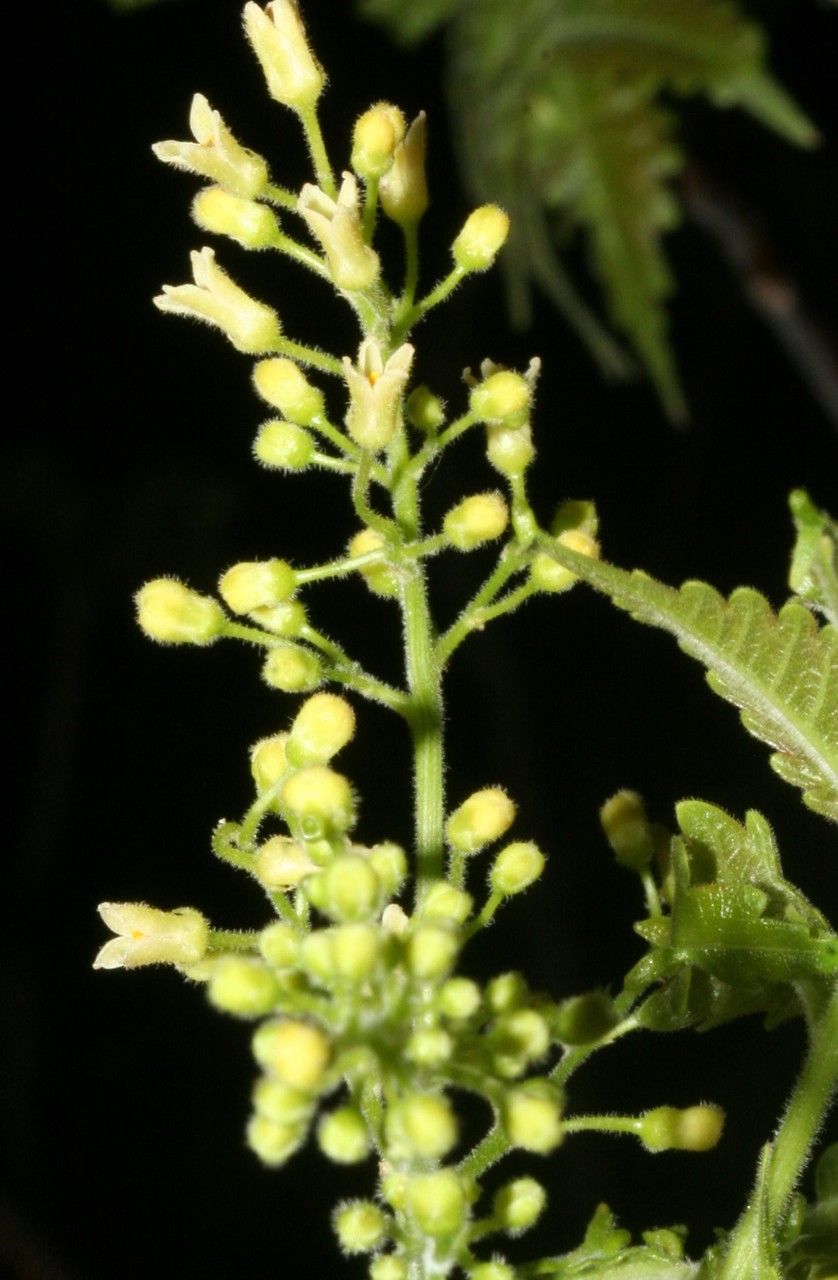
From Seed to Success: The Journey of Propagating Bursera glabra
Bursera glabra, also known as the “Palo Santo” tree, is a magical plant with a captivating scent and rich cultural history. This aromatic tree, native to the tropical forests of South and Central America, is prized for its wood, used in ceremonies and rituals for its calming and purifying properties. But what if you could grow your own Palo Santo tree?
While the thought of cultivating this treasured plant might seem daunting, rest assured, propagating Bursera glabra is more achievable than you might think. This blog post will guide you through the process of starting your own Palo Santo journey, from seed to sapling.
Sowing Seeds of Magic:
The adventure begins with seeds. While purchasing seeds might be tempting, consider a more magical approach: collecting your own. Palo Santo trees, after bearing fruit, drop seed pods containing small, brown seeds. These seeds, when properly stored, can be viable for several months.
Preparation is Key:
Once you have your treasure trove of seeds, it’s time for preparation. Start by soaking the seeds in warm water for 24 hours. This helps soften the seed coat and promotes germination. After soaking, fill a pot with a well-draining potting mix suitable for succulents. Create shallow indentations in the soil and gently place the seeds, ensuring they are covered with a thin layer of soil.
Embrace the Wait (Patiently):
Now comes the waiting game. Keep the soil moist, but not waterlogged. Place your pots in a sunny location, mimicking their natural habitat. It can take a few weeks, or even months, for your seeds to germinate. Be patient, and trust the process.
Nurturing Young Plants:
As your seedlings emerge, provide them with ample sunlight and water. The key to successful propagation is mimicking the environmental conditions of their natural habitat.
Don’t Rush the Transplant:
Once your seedlings have developed sturdy roots and at least a few sets of leaves, they are ready for their first transplant. Choose a larger pot with good drainage and fill it with a sandy, well-draining soil mix. Carefully transfer your seedlings, ensuring not to disturb the roots.
Embracing Open Space:
Over time, as your Palo Santo tree grows, you can choose to keep it in a pot or transition it outdoors. If you live in a warm climate, consider planting your tree in a location with plenty of sunlight and well-draining soil. Remember, Palo Santo trees thrive in tropical climates, mimicking their natural environment.
Patience is a Virtue:
Cultivating a Palo Santo tree takes time and attention. It may seem like a slow process, but remember, the journey itself is part of the magic. As your plant grows, you’ll be rewarded with its stunning foliage and the promise of a future filled with the soothing scent of its wood.
A Final Word of Wisdom:
Remember, propagation success is a blend of patience, careful attention, and a touch of magic. By following these steps, you’ll be well on your way to cultivating your own Palo Santo tree, a living piece of nature’s beauty and a testament to your horticultural dedication.