
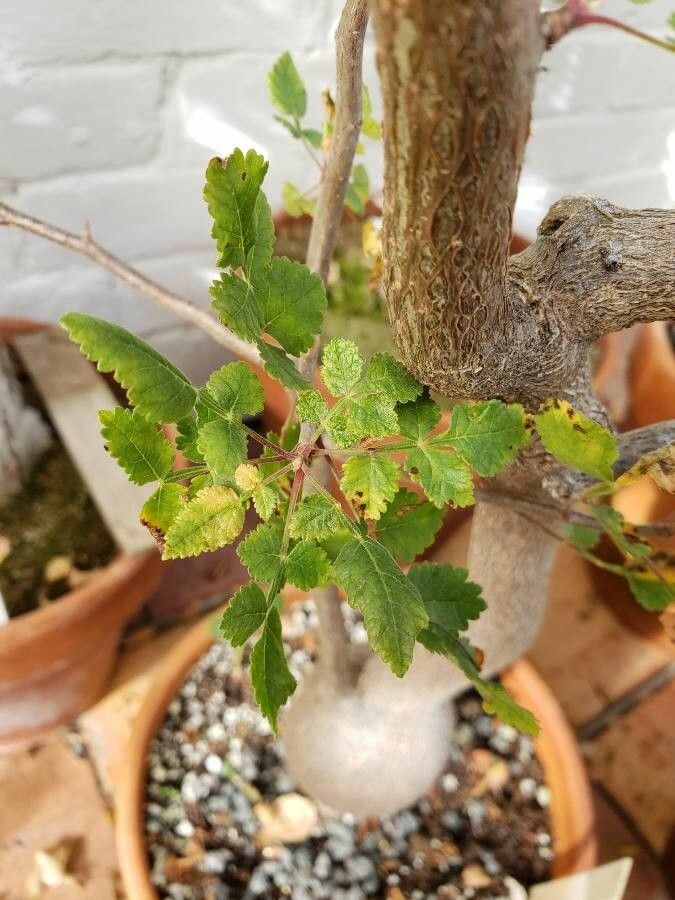
Unleashing the Magic: Propagating Bursera hindsiana, a Step-by-Step Guide
The Bursera hindsiana, also known as the “Elephant Tree” or “Copal Tree,” is a captivating desert plant with a unique beauty. Its gnarled trunk, shedding bark, and delicate foliage make it a popular choice for succulent enthusiasts. But what if you wanted to share this beauty with others, or simply expand your own collection? The answer lies in propagation, a rewarding process that lets you create new plants from existing ones.
Understanding the Options
There are two primary methods for propagating Bursera hindsiana:
- Cuttings: This involves taking a portion of a stem and encouraging it to develop roots. It’s a relatively straightforward method that yields quick results.
- Seeds: While slower, seed propagation offers a chance to create a multitude of plants from a single source.
The Cutting Method: Bringing Life to a Snip
- Timing is Key: The ideal time for taking cuttings is during the warm months when the plant is actively growing. Choose a healthy stem with at least two nodes (the bumps where leaves grow).
- A Clean Cut: Using a sharp knife or shears, make a clean, angled cut just below a node. This helps the cutting absorb water more efficiently.
- Prepare the Cutting: Remove any leaves below the first node, as they can rot and hinder root development.
- Root Hormone Power: Apply a rooting hormone powder to promote root growth (optional but highly recommended).
- Pot it Up: Plant the cutting in a well-draining potting mix, ensuring the cut end is buried. Choose a pot with drainage holes to prevent waterlogging.
- Patience is a Virtue: Keep the pot in a warm, bright, and indirect light location. Avoid overwatering, as the cutting needs time to establish roots. In a few weeks, you should see new growth, signifying successful rooting.
The Seed Method: A Journey from Tiny to Tall
- Harvest Time: Gather mature seeds from your Bursera hindsiana. They are typically brown and hard.
- Scarification (Optional): For a better germination rate, you can scarify the seeds. This means lightly nicking the seed coat with a sharp knife or sandpaper to help moisture penetrate.
- Sowing the Seeds: Sow the seeds in a well-draining seed starting mix. Bury them shallowly, about twice the diameter of the seed.
- Constant Moisture: Keep the soil consistently moist, but not soggy.
- Warmth and Light: Ensure the seeds receive adequate warmth and bright, indirect light.
- Patience is Key: Seed germination can take anywhere from a few weeks to a few months, so patience is crucial.
Nurturing Your New Plants
Regardless of the method you choose, proper care after propagation is essential. As your new Bursera hindsiana plants grow, ensure they have adequate drainage, sunlight, and water. Repot them as needed into larger pots to accommodate their developing roots.
In Conclusion
Propagating Bursera hindsiana opens a door to sharing this beautiful plant with others or creating a flourishing collection of your own. Whether you embrace the quick results of cuttings or the patient charm of seeds, the journey is an enriching experience. So, grab your tools, unleash your green thumb, and experience the magic of propagation!