
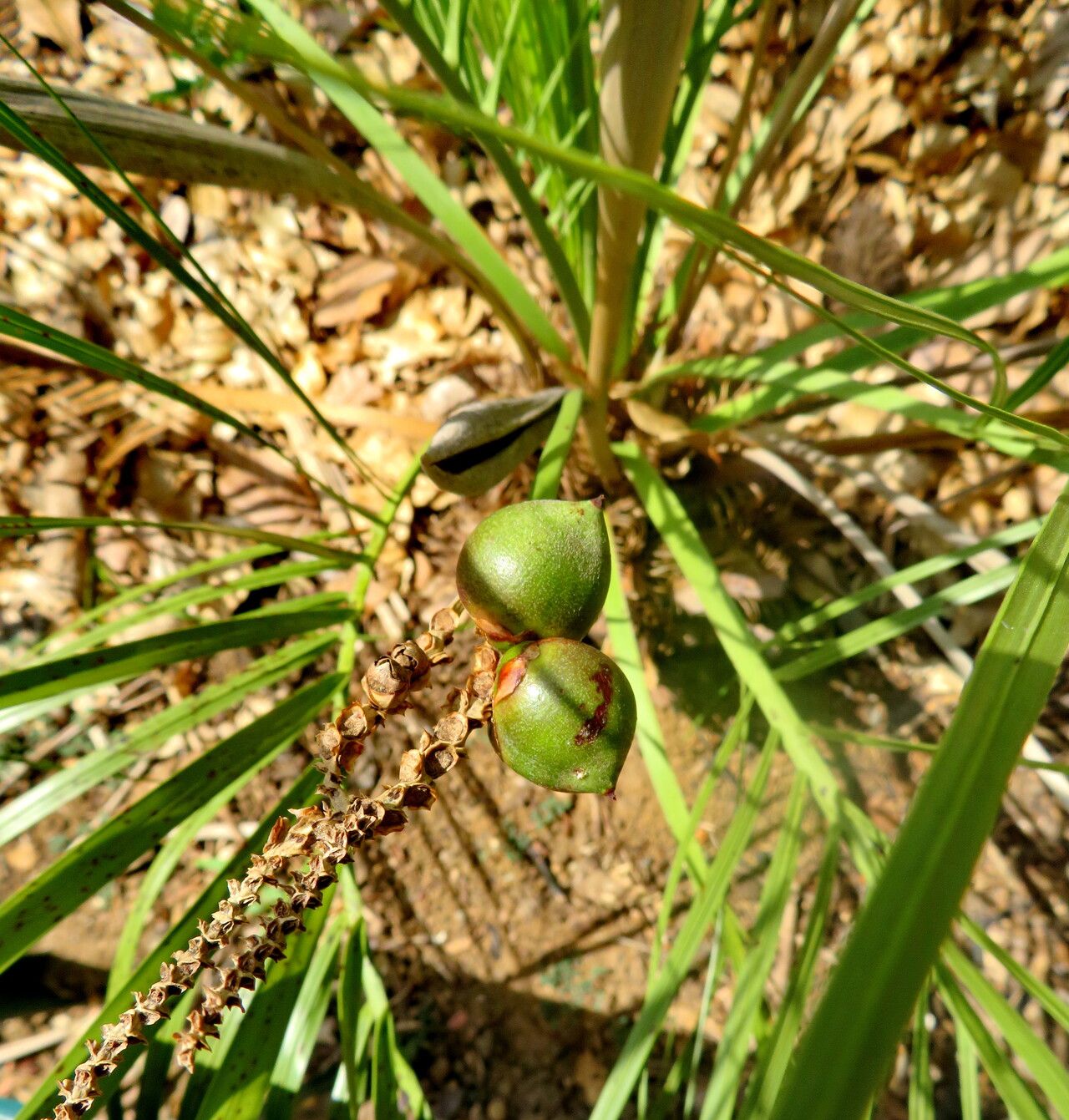
From One to Many: Propagating Your Butia exospadix Palm
The majestic Butia exospadix, also known as the “Jelly Palm,” is a stunning addition to any landscape. With its silvery-blue foliage and clusters of sweet, jelly-like fruit, it’s no wonder this palm is gaining popularity. But what if you want to share this tropical beauty with others or expand your own palm collection? Thankfully, propagating your Butia exospadix is a rewarding and achievable process.
Understanding the Options:
There are two main methods for propagating Butia exospadix:
- Seeds: This method involves planting seeds from ripe fruit. It is the most common way to propagate palms, and it’s relatively easy and affordable.
- Offshoots (Suckers): Some Butia exospadix palms produce offshoots, or suckers, which are small, independent plants that sprout from the base of the main stem. Separating these suckers and planting them offers a faster way to establish new palms.
Seed Propagation: A Step-by-Step Guide
- Harvest Seeds: Gather ripe Butia exospadix fruit, which will have a deep red or purple color when mature. Extract the seeds from the fruit pulp and wash them thoroughly.
- Pre-Soaking: It’s beneficial to soak seeds for 24 hours in warm water before planting to soften their hard outer shell.
- Sowing: Fill seed trays or pots with a well-draining seed-starting mix. Plant the seeds about 1/2 inch deep and space them appropriately. Water lightly and maintain a warm, humid environment.
- Germination: Butia exospadix seeds typically take several weeks to germinate, but it could take up to several months. Patience is key!
- Transplanting: Once seedlings have developed a few true leaves, they can be carefully transplanted into larger pots or into the ground.
Offshoot Propagation
- Identify Offshoots: Look for small, independent plants sprouting from the base of the main stem. These are the offshoots.
- Separation: Carefully dig around the offshoot and separate it from the mother plant. Make sure to include a healthy root ball.
- Planting: Plant the offshoot in a well-draining pot or directly in the garden. The roots should be buried at the same depth as they were in the ground before separation.
Tips for Success:
- Climate: Butia exospadix thrives in warm climates. Ensure your chosen propagation method provides the right conditions for growth.
- Light: Palms require ample sunlight. Choose a sunny location for planting.
- Water: Water thoroughly but allow the soil to dry slightly between waterings.
- Fertilizer: Fertilize regularly with a balanced fertilizer specifically designed for palms.
- Patience: Propagation takes time. Be patient and provide consistent care for successful results.
Rewarding Journey
Propagating your Butia exospadix is a rewarding journey. By following these steps, you can enjoy the satisfaction of growing your own jelly palms and sharing their beauty with others. Whether you choose seed propagation or opt for offshoots, your efforts will be richly rewarded with the vibrant presence of this tropical treasure in your garden or home.