
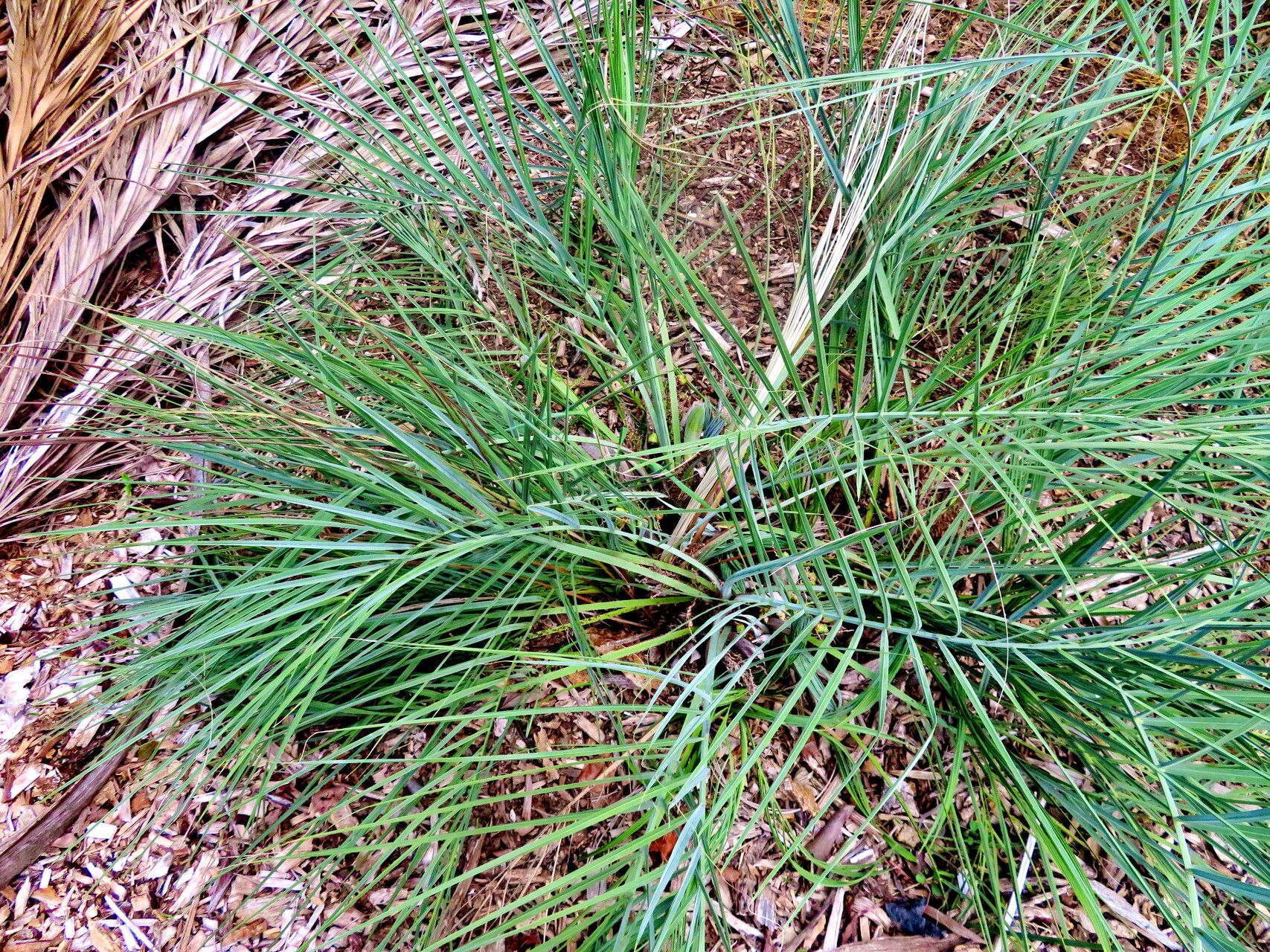
Cracking the Nut: A Guide to Propagating the Jelly Palm (Butia lallemantii)
The Jelly Palm, scientifically known as Butia lallemantii, is a striking palm species with gracefully arching fronds and a delightful crown of edible, jelly-like fruits. Native to Southern Brazil, this palm thrives in warm climates and adds a touch of tropical elegance to any landscape.
While acquiring a young Jelly Palm from a nursery is always an option, propagating your own offers a rewarding journey filled with anticipation and a sense of accomplishment.
The Seed of the Matter: Understanding Propagation Options
For the Jelly Palm, seed propagation is the most common and viable method. While cuttings are theoretically possible for some palms, they are not reliable for Butia lallemantii and rarely produce successful results. Therefore, get ready to get your hands a little dirty and unlock the secrets of germinating that tough nut!
Gathering and Preparing the Seeds
- Source: You can source seeds from a reputable online supplier or try your luck with fruits from an established Jelly Palm. Look for ripe, fallen fruits with a slightly shrunken appearance and a sweet aroma.
- Extraction: The fleshy fruit surrounding the seed can be messy (and delicious!). Carefully remove it by hand or allow it to decompose naturally.
- Cleaning and Scarification: Clean any remaining fruit pulp from the hard, brown seed. To encourage germination, gently scarify the seed coat by nicking it with a file or sandpaper. Be careful not to damage the internal embryo.
Sowing the Seeds for Success
- Soaking: Soak the scarified seeds in lukewarm water for 24-48 hours to enhance water absorption and speed up germination.
- Planting Medium: Choose a well-draining seed starting mix or make your own using equal parts peat moss, perlite, and vermiculite.
- Sowing Depth: Plant seeds about 1 inch deep in the chosen medium, ensuring the pointed end faces down.
- Conditions for Germination: Place the seed tray in a warm, brightly lit location but out of direct sunlight. Maintaining consistent moisture and a temperature of around 75-85°F (24-29°C) is crucial for successful germination.
Patience is Key: The Waiting Game
Germination time for Jelly Palm seeds can be highly variable, ranging from a few weeks to several months. Be patient! Continue to provide consistent moisture and warmth, and avoid overwatering, which can lead to rotting.
Transplanting and Beyond
Once the seedlings have developed a few sets of true leaves and a strong root system, they can be carefully transplanted into individual pots filled with a well-draining potting mix. Slowly acclimate them to outdoor conditions before planting them in their permanent location.
A Rewarding Endeavor
Propagating your own Jelly Palm from seed might require a bit of patience, but the reward of nurturing a palm from its earliest stages to a mature, fruit-bearing beauty is an experience like no other. So, why not try your hand at propagating this iconic palm and add a touch of tropical charm to your own backyard?