
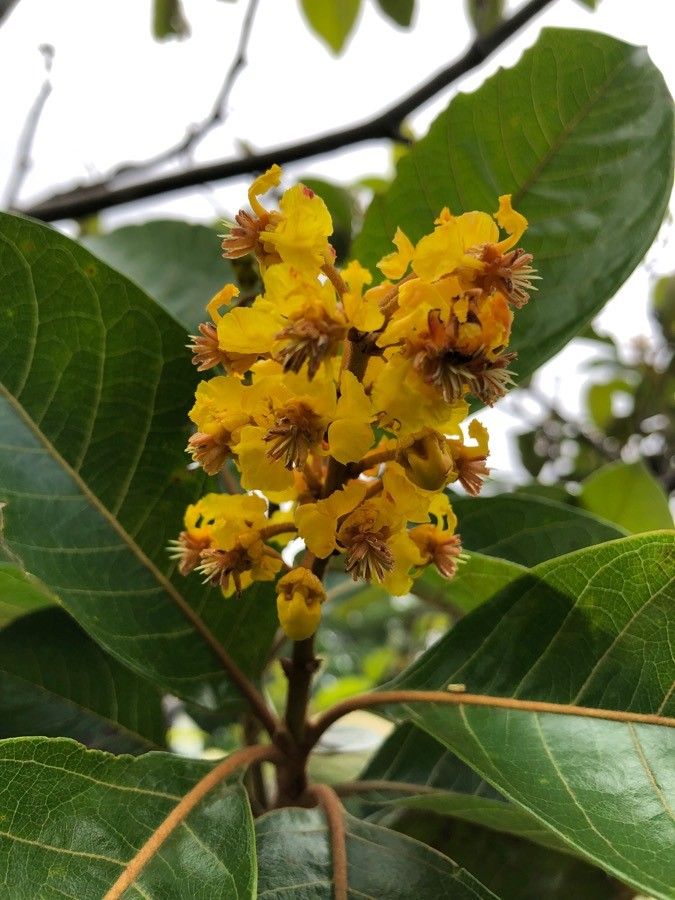
Unlocking the Secrets of the “Nance” Tree: How to Propagate Byrsonima crassifolia
The Byrsonima crassifolia, often called the “Nance” tree, is a captivating tropical fruit tree with a sweet and tangy fruit that’s a popular ingredient in jams, juices, and even wines. But did you know you can easily expand your own Nance tree family through propagation?
Getting Started: Choosing Your Propagation Method
There are two main ways to propagate Byrsonima crassifolia:
- Seed propagation: The most common method, using seeds collected from ripe fruits. This offers the advantage of being readily available and cost-effective.
- Cuttings: A bit more challenging, but offers quicker results and ensures genetic clones of the parent plant.
Seed Propagation – Let Nature Take Its Course
- Collecting the Seeds: Harvest ripe fruits from your Nance tree, carefully extract the seeds, and clean them thoroughly.
- Seed Scarification: To break seed dormancy and increase germination, consider gently rubbing the seed coat with sandpaper or soaking them in warm water for a few hours before sowing.
- Sowing the Seeds: Use a well-draining potting mix, sow seeds at a depth of about ¼ inch, and keep the soil consistently moist but not soggy.
- Patience is Key: Germination can take anywhere from weeks to months. Maintain consistent temperatures above 70°F for best results.
Cuttings Propagation – A Faster Route
- Selecting the Right Cuttings: Choose healthy, non-flowering shoots, approximately 6-8 inches long. Make a clean cut at a 45-degree angle just below a leaf node.
- Preparing the Cuttings: Remove leaves from the bottom inch or two of the cutting and dip the base in a rooting hormone solution to encourage root development.
- Rooting Medium: Select a well-draining mix like perlite or vermiculite and insert the cuttings about 2 inches deep.
- Maintaining Humidity: Cover the pot with a clear plastic bag to create a humid environment, essential for root formation.
- Regular Care: Mist the cuttings regularly and keep the medium moist, but not waterlogged.
- Transplanting: Once roots have developed (usually within 4-6 weeks), carefully transplant the cuttings into individual pots.
Expert Tips to Maximize Success
- Timing is Crucial: For seeds, spring is the ideal season for sowing. Cuttings are best propagated during the warmer months for ideal root development.
- Light & Ventilation: Provide bright, indirect light to your seedlings and cuttings, ensuring good air circulation to prevent fungal diseases.
- Consistent Moisture: Keep the soil consistently moist, but avoid overwatering.
- Fertilization: Use a diluted liquid fertilizer once a month after the young plants have established.
- Patience and Observation: Propagation takes time; don’t give up if you don’t see results immediately. Regularly monitor your plants for any signs of disease or pests.
Planting Your Nance Tree Saplings:
After several months of careful nurturing, your seedlings or cuttings will be ready for transplanting outdoors.
- Site Selection: Choose a sunny spot with well-draining soil. Nance trees prefer temperatures above 60°F.
- Planting Depth: Plant the sapling at the same depth it was growing in its pot.
- Watering and Maintenance: Water deeply and regularly, especially during the first few weeks after planting. Be sure to prune regularly to maintain the desired shape and encourage fruit production.
Enjoying the Harvest:
The Byrsonima crassifolia, or Nance tree, is a delightful addition to any tropical garden. By following these simple propagation techniques, you can multiply your own Nance tree family and enjoy the sweet reward of this vibrant fruit for years to come.