
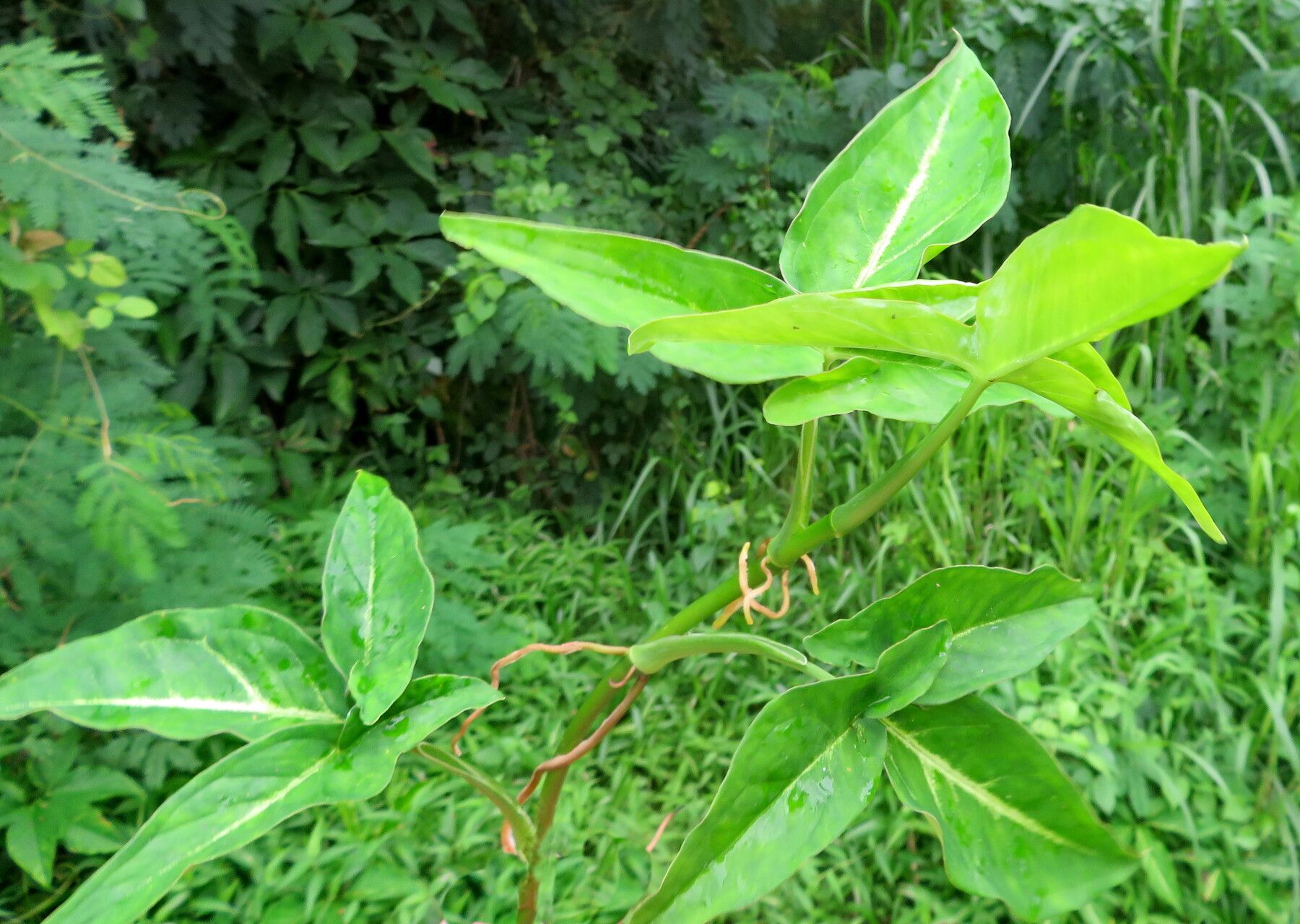
Propagating Caladium Bicolor: Unveiling the Heart of Flame
Caladium bicolor, also known as the angel wings plant, is a captivating foliage plant prized for its strikingly patterned leaves. Its heart-shaped leaves boast a vibrant array of colors – from deep reds and pinks to creamy whites and greens, often exhibiting intricate veining. This makes it a highly sought-after addition to gardens, containers, and indoor spaces. However, its beauty belies a slight challenge: propagation. While achievable, successfully multiplying Caladium Bicolor requires patience and attention to detail. Let’s explore the various methods:
Seed Germination:
Currently, there are no known reliable methods for seed germination propagation of Caladium bicolor. While Caladiums do produce seeds, their viability is notoriously low, and germination rates are exceptionally poor even under optimal conditions. Therefore, this method is not practically utilized by home gardeners or commercial producers.
Cuttings:
Caladium bicolor is not easily propagated from cuttings. Stem cuttings generally fail to root, likely due to the plant’s physiology. Leaf cuttings also prove unsuccessful.
Division:
This is the most common and reliable method for propagating Caladium bicolor. It involves separating the plant’s corms (modified underground stems) into smaller sections, each containing at least one growing eye (a bud from which new shoots emerge).
- Challenges: Divisions must be carefully undertaken to avoid damaging the delicate corms. Improper handling can lead to rot or failure to regrow. Timing is crucial; it’s best done during the dormant period (typically winter) when the corms are firm and easier to handle.
- Tips: Gently loosen the soil around the parent plant and carefully lift the corm cluster. Use a sharp, sterile knife or shears to divide the corms, ensuring each section has at least one healthy eye and a portion of the root system. Let the cut surfaces dry slightly before replanting in moist, well-draining potting mix. Avoid overwatering initially to prevent rot.
- Rewards: Division is relatively straightforward, offering a quick and efficient way to increase your Caladium collection. It preserves the genetic characteristics of the parent plant, ensuring the offspring maintain the desired leaf patterns and colors.
Tissue Culture:
Tissue culture is a more advanced method, allowing for mass propagation of Caladium bicolor. This laboratory-based technique involves growing plantlets from small pieces of plant tissue in a sterile, nutrient-rich medium.
- Challenges: Tissue culture requires specialized equipment, aseptic techniques, and a thorough understanding of plant tissue culture principles. It is not a feasible method for home gardeners.
- Tips: This method is best left to commercial nurseries and laboratories equipped for sterile work.
- Rewards: Tissue culture allows for rapid and large-scale propagation of disease-free plants, ideal for commercial production and conservation purposes. It also allows for the production of many identical plants from one parent plant.
Conclusion:
Propagating Caladium bicolor presents unique challenges depending on the method chosen. While seed propagation is generally ineffective, division offers a practical and accessible option for home gardeners. Tissue culture provides an avenue for mass production, but demands specialized skills and resources. Successfully propagating this stunning plant, however, regardless of the method, brings immense satisfaction. The vibrant foliage that emerges from a carefully divided corm or a successfully cultured plantlet is a rewarding testament to patience, observation, and a deep appreciation for the natural world. For aspiring Caladium propagators, remember perseverance is key. Begin with the division method, master its subtleties, and you will be rewarded with striking displays of angel wings for years to come.