
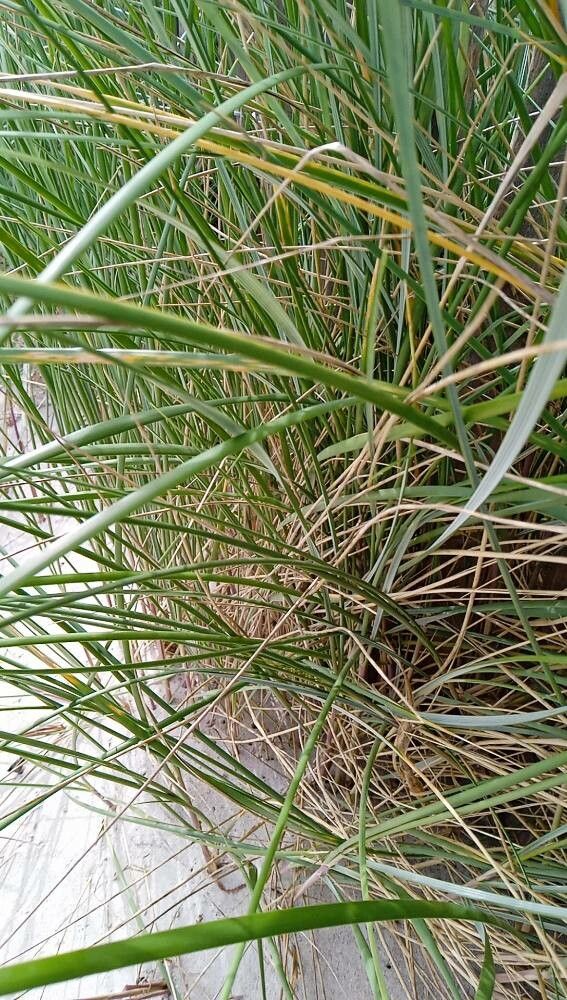
Propagating Calamagrostis arenaria: The Challenges and Rewards of Cultivating Sea Sandreed
Introduction:
Calamagrostis arenaria, commonly known as sea sandreed, is a hardy, ornamental grass prized for its elegant, silvery-blue foliage and its ability to thrive in challenging conditions, including sandy or coastal soils. Its airy plumes add a delicate texture to gardens, making it a popular choice among gardeners seeking low-maintenance, attractive landscaping solutions. However, propagating this resilient grass can present unique challenges, demanding patience and specific techniques. Its popularity drives the need for efficient propagation methods, hence the investigation into several approaches detailed below.
Seed Germination:
Currently, there are no known reliable methods for seed germination propagation of Calamagrostis arenaria. While the plant does produce seed, germination rates are extremely low, often proving unreliable for successful propagation in a horticultural setting. The seeds’ dormancy and specific environmental requirements for germination remain poorly understood.
Cuttings:
Cuttings are also not a viable method for propagating Calamagrostis arenaria. Stem cuttings, typically successful with many grasses, have yielded minimal results with sea sandreed. The plant’s physiology and low rooting capacity significantly hinder the success of this propagation method.
Division:
Division is the most reliable and practical method for propagating Calamagrostis arenaria. This involves carefully separating established clumps into smaller sections, each containing sufficient roots and shoots.
- Challenges: Successfully dividing Calamagrostis arenaria requires careful handling to avoid damaging the root system. Dividing clumps that are too young or too old can also result in poor survival rates. The optimal time for division is in spring or early autumn, when the plant is actively growing but temperatures are not excessively hot or cold.
- Tips: Use sharp, clean tools to minimize damage to the roots. Plant the divisions immediately after separating them to minimize stress on the roots. Ensure adequate watering and good drainage to promote root establishment.
- Rewards: Division provides the highest success rate, resulting in quicker establishment of new plants compared to other methods. It also minimizes genetic diversity loss since the progeny are genetically identical to the parent plant which can be advantageous for preserving specific desirable traits.
Tissue Culture:
While tissue culture is a theoretically possible propagation method for Calamagrostis arenaria, it’s not commonly employed in horticultural practice due to the challenges and associated costs. Specialized expertise and laboratory equipment are required, making this method impractical for the average gardener.
- Challenges: Establishing sterile culture conditions and developing suitable media formulations for Calamagrostis arenaria are significant hurdles. The optimization of this process for maximum shoot and root growth requires extensive research and experimentation.
- Tips: This method is primarily employed in research contexts or by commercial nurseries with the required facilities and expertise.
- Rewards: Tissue culture offers the potential for mass propagation and disease-free plants. However, the considerable initial investment and specialized knowledge involved usually outweigh the benefits for most gardeners.
Conclusion:
Propagating Calamagrostis arenaria presents a unique set of challenges. While seed germination and cuttings prove unreliable, division provides the most effective and accessible method for successful propagation. Tissue culture remains a specialized, resource-intensive approach. The rewards of successfully cultivating sea sandreed, however, are well worth the effort. The elegant beauty and resilience of this grass bring a unique satisfaction to those who master its propagation. For aspiring propagators, focusing on the reliable division method, paying careful attention to timing and technique, offers the most promising path to success in cultivating these striking plants and ensuring their continued presence in gardens. Don’t be discouraged by the initial hurdles – the satisfaction of nurturing a healthy clump of Calamagrostis arenaria from a single division is a significant achievement.