
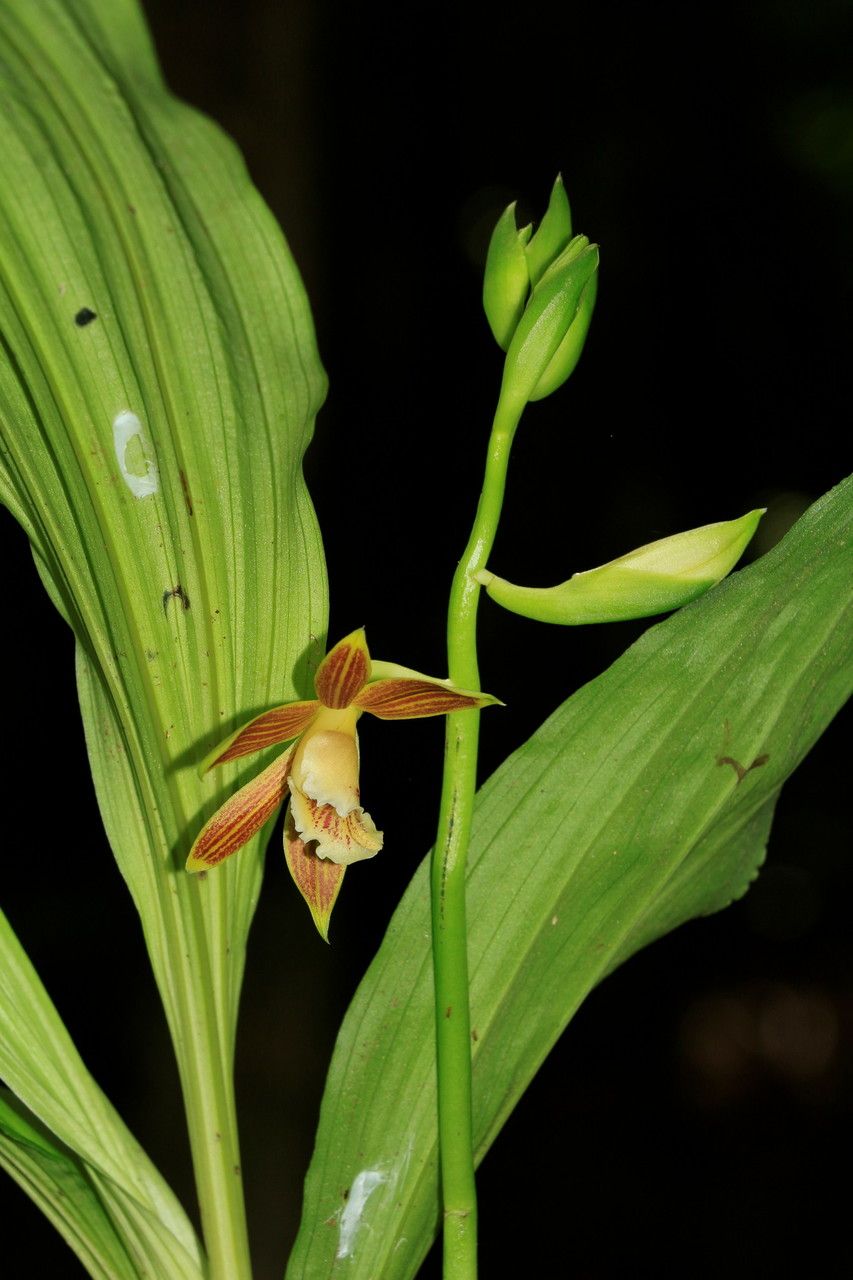
Unveiling the Secrets: How to Propagate the Exotic Calanthe Robertsii Orchid
The Calanthe robertsii, with its vibrant orange blooms and graceful demeanor, is a showstopper in any orchid enthusiast’s collection. Unlike its epiphytic cousins, this terrestrial orchid thrives in soil, adding to its unique appeal. But have you ever wondered how to multiply your collection of this stunning beauty? Let’s delve into the fascinating world of Calanthe robertsii propagation!
Understanding the Calanthe Robertsii’s Lifecycle:
Before diving into propagation techniques, it’s crucial to understand this orchid’s growth cycle. Calanthe robertsii are deciduous, meaning they lose their leaves during their dormant period. This dormancy, typically in winter, is your cue to shift gears in their care and presents the perfect opportunity for propagation.
Two Main Methods for Multiplication:
You can propagate Calanthe robertsii in two primary ways:
1. Division:
This method, best undertaken in early spring just as new growth emerges, offers the most straightforward approach:
- Carefully remove the orchid from its pot. This is best done when the potting mix is slightly dry to avoid damaging the roots.
- Gently shake off excess soil to expose the rhizome, the thick horizontal stem from which the leaves and roots grow.
- Identify natural division points. You’re looking for sections of the rhizome with at least 3-4 healthy pseudobulbs (the swollen stem bases that store water and nutrients).
- Using a sterilized knife or shears, carefully separate the rhizome at these division points.
- Dust each division with a fungicide to prevent disease.
- Repot each division into well-draining orchid mix, ensuring the pseudobulbs are partially exposed above the soil line.
2. Backbulbs:
Backbulbs are older, leafless pseudobulbs that may appear shriveled but still hold the potential for new life. Here’s how to utilize them:
- During repotting, separate any healthy backbulbs from the main plant.
- Place the backbulbs in a shallow tray filled with moist sphagnum moss or a specialized orchid propagation mix.
- Maintain high humidity by covering the tray with a clear plastic dome or placing it inside a humidity chamber.
- Provide bright, indirect light and keep the moss consistently moist but not soggy.
- Be patient! Backbulb propagation takes time, sometimes several months, before new growth emerges.
Tips for Success:
- Timing is Key: Propagate during the dormant period or early spring when the plant has the most energy to focus on new growth.
- Sharp and Clean Tools: Always use sterilized tools to minimize the risk of introducing disease.
- Patience is a Virtue: Propagation, especially from backbulbs, requires patience. Don’t be disheartened if you don’t see results immediately.
- Don’t Overwater: Provide sufficient moisture but avoid overwatering, which can lead to root rot and hinder new growth.
Propagating your Calanthe robertsii is an incredibly rewarding experience. It allows you to multiply your collection and share the joy of this stunning orchid with others. So, embrace your green thumb, follow these tips, and watch in awe as new life emerges from your efforts!