
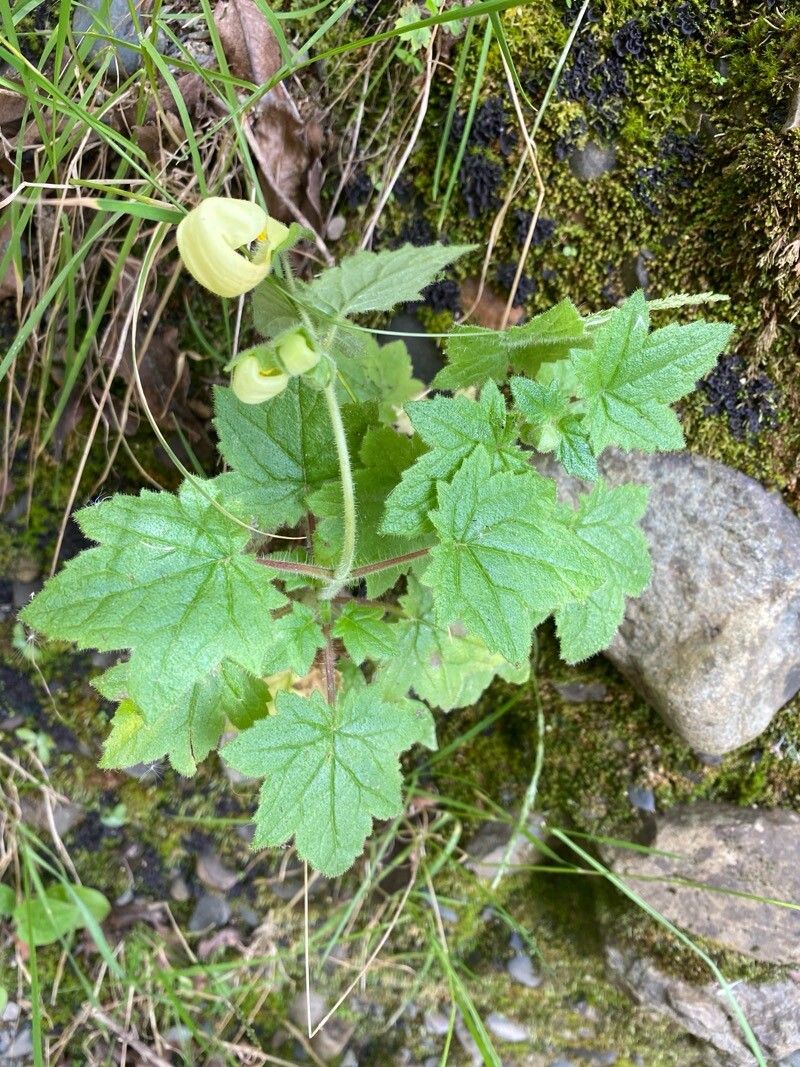
Slippers, Seeds, and Success: Propagating the Striking Calceolaria lobata
Ah, the Calceolaria lobata, a plant that captivates with its unique “slipper” shaped blossoms and vibrant, multi-colored hues. This South American beauty is a favorite among gardeners, but have you ever considered growing your own from scratch? With a little know-how, you can easily multiply your Calceolaria collection through propagation.
There are two primary methods for bringing new Calceolaria lobata plants into your life: seed sowing and cuttings. Let’s dive into each technique and see which one suits your gardening style.
Seed Sowing: Tiny Beginnings for Magnificent Bloom
Calceolaria lobata seeds are incredibly tiny, almost like fine dust! This can make sowing a bit tricky. Here’s how to tackle it:
- Timing is Everything: Spring is the ideal time for sowing Calceolaria lobata seeds. They prefer cool temperatures around 15-20°C.
- Prepare the Seedbed: Use a seed tray or shallow pots filled with a sterile seed-starting mix.
- Fine-Tune the Depth: Don’t bury the seeds too deep, just lightly press them into the surface.
- Moisture Maintenance: Keep the mix consistently moist but not soggy. Misting is a gentler approach.
- Provide Light: Calceolaria seeds prefer bright, indirect light. A sunny windowsill or grow light is ideal.
- Patience is Key: Germination can take up to 4 weeks, so be patient and don’t despair!
- Time for Transplantation: Once the seedlings develop their first true leaves, you can transplant them into individual pots.
Cultivating Cuttings: A Quick and Easy Approach
For a quicker route to new Calceolaria plants, consider taking cuttings from mature plants. Here’s how to do it:
- The Right Cut: Choose healthy new growth from the current season. Cut a 5-10 cm long stem just below a leaf node.
- Trim the Leaves: Remove the lower 2-3 leaves to make space for root development.
- Hormone Boost: Dip the cut end of the stem in a rooting hormone powder or solution. This promotes root growth.
- A Moist Environment: Insert the cuttings into a pot filled with a well-draining potting mix, ensuring good contact between the stem and the soil.
- Protect and Preserve: Place the pot in a clear plastic bag or cover it with a dome to create a humid environment. This helps the cuttings retain moisture.
- Light and Temperature: Place the cuttings in a bright, indirect light location with temperatures around 16-18°C.
- Patience and Water: Keep the soil moist but not waterlogged. Rooting can take 2-4 weeks.
Common Challenges and Tips for Success:
- Damping Off: Seedlings are susceptible to this fungal disease. Ensure good air circulation and avoid overwatering.
- Overwatering: Both seeds and cuttings can rot if they are overwatered. It’s better to err on the side of slightly drier conditions.
- Pests: Be vigilant for pests like aphids and whiteflies. Natural remedies or insecticidal soap can help.
Enjoy Your Calceolaria Glory:
Propagation, whether with seeds or cuttings, is a rewarding experience that allows you to expand your Calceolaria collection and enjoy their showy blooms for years to come. Remember to provide your plants with proper care and attention, and you’ll be rewarded with a delightful display of slipper-shaped flowers in your garden or home.