
Multiply the Magic: Propagating Your Very Own Beautyberry ‘Kwangtungensis’
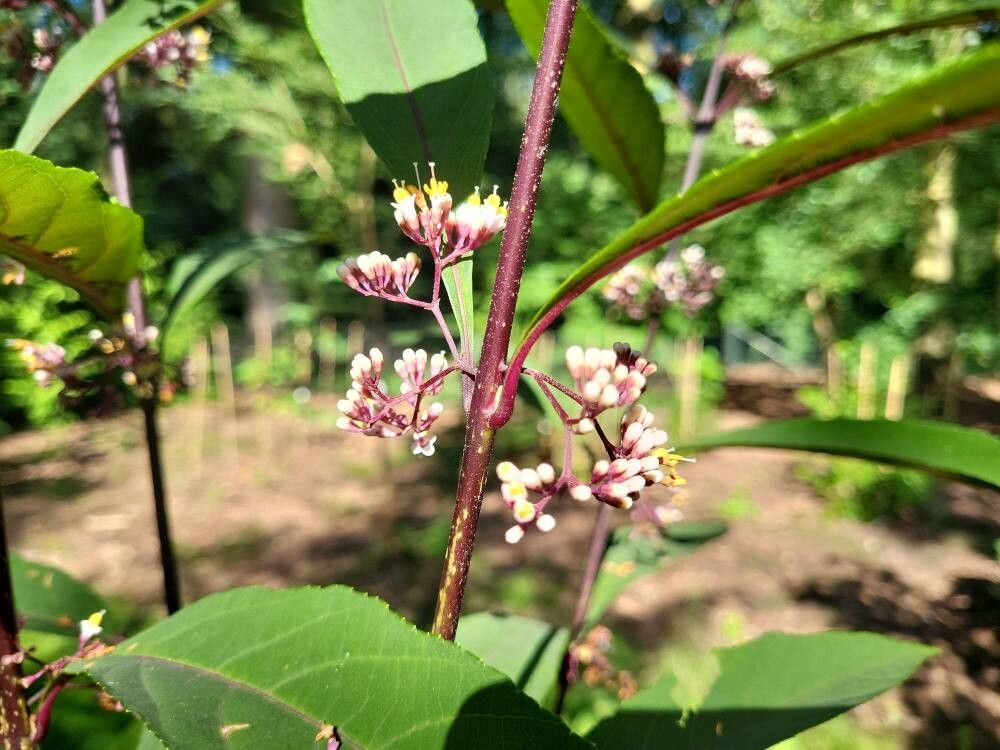
The Callicarpa kwangtungensis, better known as the Chinese Beautyberry or the Kwangtung Beautyberry, is a captivating sight. Native to China, this deciduous shrub steals the show with its arching branches adorned with vibrant purple berries clustered like jewels. While admiring mature specimens is a treat, why not cultivate this beauty in your own garden? You might be surprised to learn that propagating Callicarpa kwangtungensis isn’t just for seasoned gardeners – it’s an achievable endeavor for all plant enthusiasts!
Seeds of Success: Propagating from Seed
- Gather your bounty: The best time to collect seeds is in late autumn when the berries are fully ripe. Extract the seeds by gently crushing the berries and rinsing away the pulp.
- A winter slumber: Kwangtung Beautyberry seeds benefit from stratification, mimicking the natural chilling period. Mix the seeds with slightly damp sand or vermiculite and store them in the refrigerator for 3-4 months.
- Spring awakening: Once the threat of frost has passed, sow the seeds in seed trays filled with a well-draining seed starting mix. Press them lightly into the soil, keeping them moist but not waterlogged.
- Patience, young gardener: Germination can take several weeks, so be patient and maintain a consistent temperature around 70-75°F (21-24°C).
- Out into the world: Once the seedlings have developed a couple of true leaves, they can be transplanted into individual pots or directly into your garden after the last frost.
Cutting to the Chase: Propagation with Cuttings
- Timing is key: Early summer, when the new growth is still relatively softwood but has begun to mature, is the prime time for taking hardwood cuttings.
- Snip with purpose: Using clean, sharp pruning shears, take cuttings that are about 4-6 inches long from healthy, non-flowering stems.
- Prep your cuttings: Remove the leaves from the bottom third of each cutting. To encourage root development, dip the cut end in rooting hormone powder (optional but beneficial).
- Planting the cuttings: Prepare a pot or tray with a well-draining mix of peat moss and perlite. Make holes in the mix with a pencil and carefully insert the cuttings, ensuring at least two leaf nodes are buried.
- A humid haven: Maintain high humidity around the cuttings by covering the pot with a plastic bag or using a propagation dome. Keep the soil consistently moist but not soggy.
- Root development: After 4-6 weeks, gently tug on a cutting – resistance indicates successful rooting! Gradually acclimate the rooted cuttings to the outside environment before transplanting them.
Tips for Flourishing Beautyberries:
- Sun-kissed or slightly shaded: While Callicarpa kwangtungensis prefers full sun, it can tolerate partial shade. Aim for at least 4-6 hours of sunlight for optimal berry production.
- Well-drained soil is a must: Avoid planting in areas prone to waterlogging. Amend heavy clay soils with compost or other organic matter to improve drainage.
- Low-maintenance charm: Beautyberries are relatively pest-free and require minimal pruning.
- Be patient: The first year is crucial for establishing a strong root system. You may not see abundant berries immediately, but don’t be disheartened!
Propagating your own Callicarpa kwangtungensis is a rewarding experience that allows you to nurture these enchanting shrubs from their earliest stages. Whether you choose the route of seeds or cuttings, you’ll be rewarded with a stunning display of vibrant purple berries that will add a touch of magic to your garden for years to come.