
Propagating Callitriche hamulata: A Guide for the Dedicated Aquatic Gardener
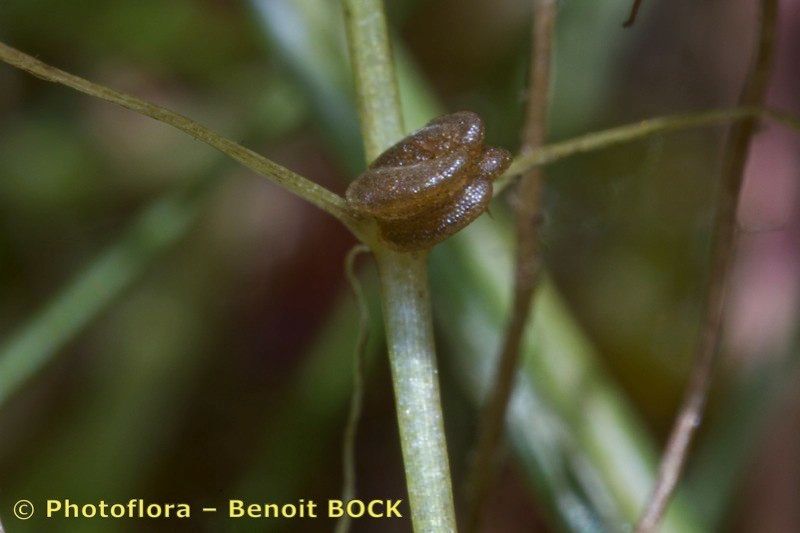
Callitriche hamulata, commonly known as water starwort (though this common name is shared with other species in the genus), is a charming aquatic plant prized for its delicate, star-shaped leaves and its ability to thrive in diverse aquatic environments. Its value lies in its contribution to healthy aquatic ecosystems, providing cover and food for smaller creatures, and its aesthetic appeal, making it a popular choice for aquariums and water gardens. Propagating Callitriche hamulata, however, presents unique challenges due to its vegetative nature and relatively infrequent seed production.
Seed Germination:
Currently, there are no known reliable methods for seed germination propagation of Callitriche hamulata. While the plant does produce seeds, their germination rate is extremely low, and successful germination under controlled conditions has yet to be reliably documented. Further research is needed to determine optimal conditions for seed germination, if such conditions even exist.
Cuttings:
Cuttings represent a viable, although not always straightforward, method for propagating Callitriche hamulata.
Challenges: The success rate of cuttings depends heavily on the health and vigor of the parent plant and the precision of the technique. Submerged cuttings often struggle without appropriate water conditions and sufficient light.
Practical Tips: Take cuttings of approximately 5-10cm in length from healthy, actively growing stems. Plant these directly into a suitable substrate, such as aquarium gravel or a specialized aquatic soil mix, ensuring adequate light penetration and water depth. Maintaining stable water parameters, including temperature and nutrient levels, is crucial. Consider using a rooting hormone, although its effectiveness in this specific case is anecdotal.
Rewards: This method allows for the relatively rapid propagation of genetically identical plants, preserving desirable characteristics of the parent plant.
Division:
Division is arguably the most effective and reliable method of propagating Callitriche hamulata.
Challenges: This method requires established, healthy plants with sufficient biomass. Care must be taken during separation to avoid damaging the delicate roots and stems.
Practical Tips: Divide the parent plant into smaller sections, ensuring each section contains both roots and several shoots. Replant immediately into a suitable aquatic environment, ensuring that the divided portions are carefully planted to avoid further damage. Monitor closely for signs of stress or disease.
Rewards: This method is quick, relatively easy, and provides a higher success rate than cuttings. It’s ideal for increasing the population of a beloved aquatic plant.
Tissue Culture:
Tissue culture propagation for Callitriche hamulata is not commonly practiced and requires specialized laboratory equipment and expertise.
Challenges: Establishing sterile culture conditions, identifying appropriate growth media and hormones, and optimizing growth parameters are major hurdles. This is a technically demanding process requiring significant investment and skill.
Practical Tips: This method is not recommended for home propagators due to the complexity and cost.
Rewards: Tissue culture presents the potential for large-scale propagation and the elimination of disease, though the cost and complexity make it impractical for most home gardeners.
Conclusion:
Propagating Callitriche hamulata presents unique challenges, primarily due to the difficulties associated with seed germination. Division proves to be the most successful and practical propagation method for the average gardener, while cuttings offer a viable, albeit less reliable, alternative. Tissue culture remains a specialized technique beyond the scope of most home environments. The rewards, however, are well worth the effort. Successfully cultivating this delicate aquatic jewel, seeing it flourish from a small cutting or division, provides a unique sense of accomplishment and a deep satisfaction for those dedicated to the art of aquatic gardening. So, embrace the challenge, and enjoy the rewards of successfully propagating this beautiful plant!