
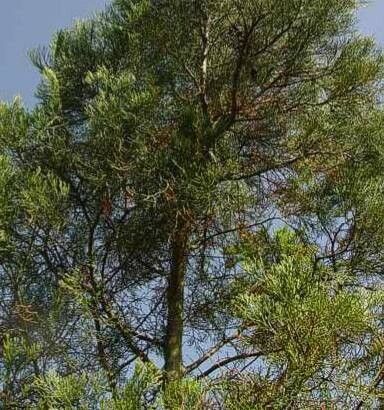
Propagating Callitris preissii: A Guide to the Coastal Cypress Pine
Introduction:
Callitris preissii, commonly known as the Coastal Cypress Pine or Black Cypress Pine, is a striking evergreen conifer native to southwestern Australia. Its attractive, dense foliage, pyramidal habit, and tolerance to coastal conditions make it a desirable ornamental plant for gardeners seeking low-maintenance, drought-tolerant landscaping options. However, propagating Callitris preissii can present some challenges, making the successful cultivation of this species all the more rewarding. Its unique propagation characteristics necessitate a multifaceted approach, exploring various methods to achieve optimal results.
Seed Germination:
Seed germination is a viable, albeit challenging, method for propagating Callitris preissii. The main challenge lies in the seed’s dormancy. Many seeds require a period of stratification – a cold, moist treatment – to break dormancy and initiate germination. This process mimics the natural conditions the seeds would experience over winter.
Practical Tips:
- Stratification: Soak seeds in water for 24 hours before sowing. Then, mix the seeds with a moist medium like vermiculite or perlite, place them in a sealed container, and refrigerate at 4°C (39°F) for 8-12 weeks.
- Sowing: Sow stratified seeds in a well-draining seed-starting mix, barely covering them with the medium. Maintain consistent moisture but avoid overwatering, which can lead to fungal diseases. A warm (20-25°C/68-77°F), bright, but not direct sunlight, location is ideal.
- Rewards: Successful seed germination offers the greatest potential for genetic diversity, leading to a more robust population of plants. It’s also a cost-effective method for large-scale propagation.
Cuttings:
Propagation from cuttings is generally considered a more reliable method than seed germination for Callitris preissii.
Practical Tips:
- Timing: Take semi-hardwood cuttings in late spring or early summer from the current year’s growth. Choose actively growing, but not overly soft, shoots.
- Preparation: Cuttings should be about 10-15 cm long, with the lower leaves removed. Dip the cut end in a rooting hormone solution to stimulate root development.
- Planting: Plant the cuttings in a well-draining mix containing perlite or vermiculite. Ensure high humidity using a propagator or by covering the cuttings with a clear plastic bag. Maintain a temperature of around 20-25°C (68-77°F).
- Rewards: Cuttings usually produce plants that are genetically identical to the parent plant, ensuring the desirable traits are maintained. This method is quicker than seed propagation.
Division:
Division is not a practical method for propagating Callitris preissii. This species doesn’t readily lend itself to dividing established plants due to its woody root system.
Tissue Culture:
Tissue culture offers a potentially efficient method for large-scale propagation of Callitris preissii, particularly for preserving specific genetic lines. However, this technique requires specialized equipment, expertise, and a sterile laboratory setting, making it unsuitable for the average home gardener.
Currently, there are no widely available or readily accessible protocols for tissue culture propagation of Callitris preissii. This represents an area for potential future research.
Conclusion:
Propagating Callitris preissii presents unique challenges across different methods. While seed germination offers genetic diversity but requires patience and specific techniques, cuttings provide a more reliable, though less diverse, route. Division is impractical. Tissue culture holds promise for large-scale propagation but requires significant expertise and resources. The rewards of successfully cultivating this attractive conifer, however, are well worth the effort. The satisfaction of nurturing a tiny cutting into a mature, thriving Coastal Cypress Pine is immensely gratifying, a testament to perseverance and horticultural skill. For aspiring propagators, we recommend starting with cuttings, utilizing the practical tips outlined above and remembering patience and consistency are key to success. Even with challenges, the unique beauty and resilience of Callitris preissii make it a worthwhile endeavor.