
Propagating the White Star Tulip: A Gardener’s Guide to Calochortus albus
Introduction:
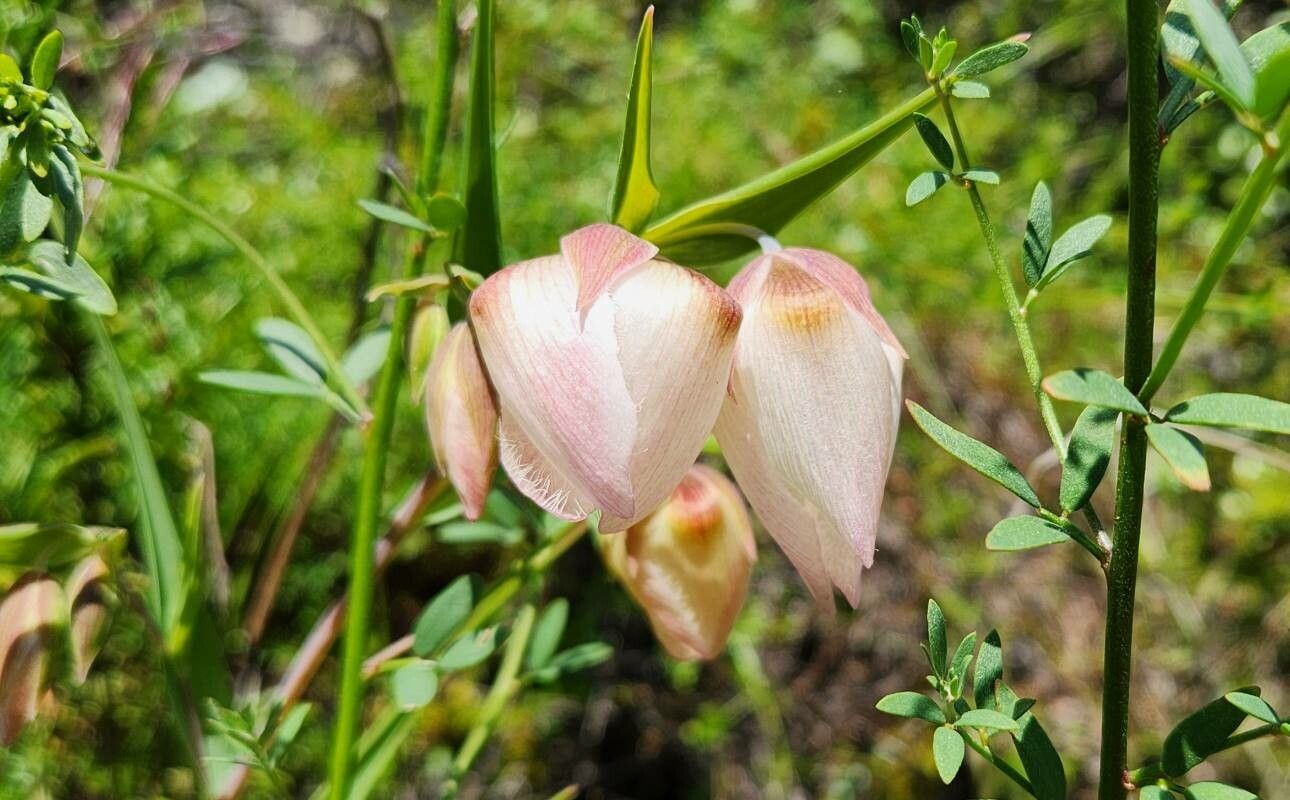
Calochortus albus, commonly known as the White Star Tulip or White Mariposa Lily, is a captivating bulbous perennial native to California. Its delicate, pure white flowers, often tinged with subtle lilac or purple hues, are a prized feature in rock gardens, woodland settings, and naturalistic plantings. While its beauty is undeniable, propagating Calochortus albus presents unique challenges, making successful cultivation particularly rewarding. Its relative rarity in cultivation further contributes to its allure amongst gardeners.
Seed Germination:
Seed germination for Calochortus albus is possible, but presents significant challenges. The seeds possess a hard seed coat requiring stratification—a period of cold, moist treatment—to break dormancy.
- Challenges: Germination rates can be low, and seedlings are often slow-growing and delicate. Improper stratification can lead to poor or no germination. Seed viability may also be short-lived.
- Practical Tips: Sow seeds in autumn, after collecting them from mature seed pods that have fully dried. Mix seeds with moist vermiculite or perlite and place in a sealed container in the refrigerator at 3-5°C (37-41°F) for 6-8 weeks. After stratification, sow seeds shallowly in a well-drained seed-starting mix, keeping the soil consistently moist but not waterlogged. Maintain optimal temperature and humidity during germination, typically 15-20°C (59-68°F).
- Rewards: Seed propagation offers access to high genetic diversity, potentially resulting in unique flower variations and enhanced hardiness. It also affords the opportunity for expanding populations on a larger scale.
Cuttings:
Currently, there are no known reliable methods for propagating Calochortus albus from cuttings. The plant’s bulbous structure and growth habit do not lend themselves to this method.
Division:
Division of mature bulbs offers a more reliable method of propagation compared to seed germination.
- Challenges: Calochortus albus bulbs are relatively small and don’t readily produce many offsets. Care must be taken during division to avoid damaging the fragile bulbs and roots. Disturbing the bulbs unnecessarily can lead to plant stress and failure to thrive.
- Practical Tips: Division is best performed during the plant’s dormancy period after the foliage has died back (usually late summer/early autumn). Gently lift the entire clump, carefully separate the bulbs, ensuring each division has healthy roots and some foliage remnants. Replant immediately, maintaining original soil depth.
- Rewards: Division offers a quicker route to increasing the number of plants compared to seed propagation and yields plants that are genetically identical to the parent.
Tissue Culture:
Tissue culture propagation of Calochortus albus is rarely attempted by home gardeners and is typically undertaken in specialized labs or research settings. The success of this method relies on extensive technical expertise and specialized equipment.
- Challenges: Developing a consistent and efficient tissue culture protocol specific to Calochortus albus is complex and resource-intensive. Contamination and other unforeseen factors can significantly impact success.
- Practical Tips: This is not a feasible option for home gardeners due to the complexity of the techniques and necessary facilities. The procedure involves sterilizing plant material, culturing on specialized media, and maintaining sterile conditions throughout.
- Rewards: Tissue culture offers the potential for mass propagation, disease-free clones, and even genetic modification or improvement if resources are available.
Conclusion:
Propagating Calochortus albus presents challenges regardless of chosen method. Division offers the most reliable way for the average gardener to increase their plant stock while seed germination, although possessing the promise of greater diversity, is fraught with difficulty. The rewards, however – the sight of these exquisite white stars blooming in your garden – are well worth the effort. The unique qualities of each propagation method must be considered, and patience and a degree of careful observation are definitely virtues for the aspiring propagator of this intriguing species. Don’t be discouraged by setbacks; understand challenges as opportunities to learn and refine your approach. The beauty and rarity of Calochortus albus make the journey all the more fulfilling.