
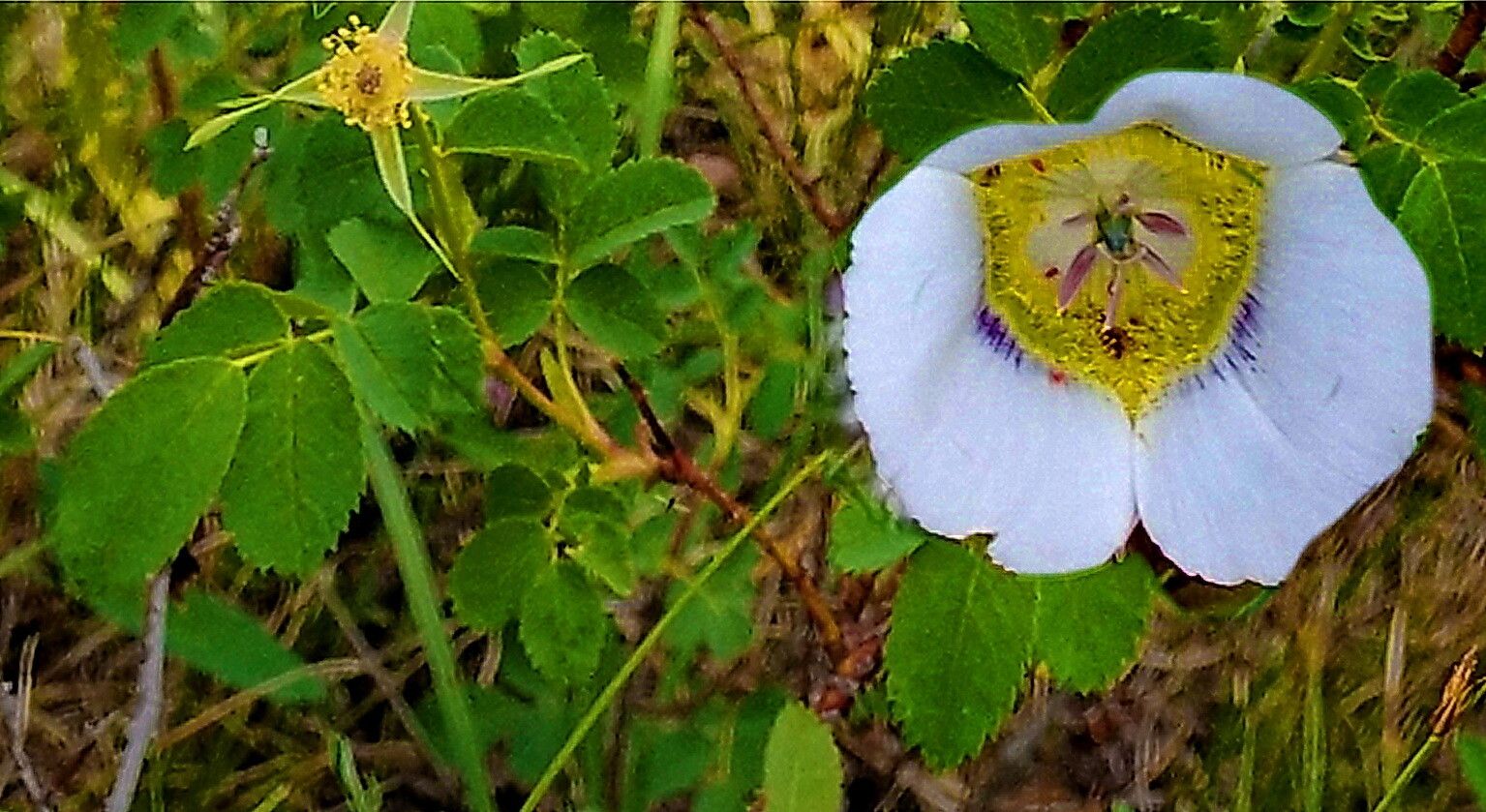
Propagating Gunnison’s Mariposa Lily (Calochortus gunnisonii): A Gardener’s Guide
Introduction
Calochortus gunnisonii, commonly known as Gunnison’s Mariposa Lily, is a captivating bulbous perennial native to the western United States. Its striking, cup-shaped flowers, often exhibiting vibrant yellow, orange, or red hues with contrasting markings, make it a highly sought-after addition to rock gardens, wildflower meadows, and xeriscapes. While its beauty is undeniable, propagating this species presents unique challenges, requiring a nuanced understanding of its specific needs. Its popularity among gardeners stems from its exquisite blooms and relatively low maintenance once established, adding to the allure of successfully propagating it.
Seed Germination:
Seed germination is a viable, albeit challenging, method for propagating Calochortus gunnisonii. The primary challenge lies in the recalcitrant nature of the seeds, meaning they have a short viability period and require careful handling. Freshly harvested seeds offer the best chance of success.
Challenges: Seeds readily lose viability if allowed to dry out completely. Dormancy requirements aren’t fully understood, but some degree of stratification (a period of cold, moist storage) may improve germination rates. Furthermore, fungal diseases can quickly decimate seedlings.
Practical Tips: Sow seeds directly into well-draining soil mixes, ideally in a container for better control of moisture and temperature. A light stratification period of 4-6 weeks at 4°C (39°F) can be attempted before sowing. Keep the sowing mix consistently moist but not waterlogged. Use a fungicide to prevent damping-off disease in young seedlings.
Rewards: Successful seed germination provides the greatest genetic diversity, enabling propagation of a wider range of phenotypes within the species. It also allows for large-scale propagation if substantial quantities of viable seed are obtained.
Cuttings:
Currently, there are no known reliable methods for propagating Calochortus gunnisonii from cuttings. The plant’s physiology does not lend itself to vegetative propagation through this method.
Division:
Division is a relatively successful method for propagating Calochortus gunnisonii, particularly for established plants. However, it should be undertaken with caution and during the plant’s dormant period.
Challenges: Dividing the bulbs too early or too late in the growing season can significantly weaken the parent plant and reduce the survival rate of the divisions. Damage to the bulbs during division can also lead to rotting. Proper handling is critical.
Practical Tips: Carefully divide the mature clumps during late summer or early autumn, after the foliage has died back. Ensure each division contains a healthy portion of roots and bulb tissue. Plant the divisions immediately in well-draining soil, keeping them adequately watered until established.
Rewards: Division is a faster method of propagation than seed and is more predictable in terms of successful establishment.
Tissue Culture:
Tissue culture is a potentially viable, though complex and specialized method for propagating Calochortus gunnisonii.
Challenges: Developing a successful protocol for Calochortus gunnisonii would require significant research and specialized laboratory equipment and expertise. This method, while offering high propagation rates, is not readily accessible to the average home gardener.
Practical Tips: This method requires a controlled laboratory environment with sterile techniques, specific nutrient media, and growth regulators.
Rewards: Tissue culture allows for rapid clonal propagation, producing large numbers of genetically identical plants from a single parent.
Conclusion:
Propagating Calochortus gunnisonii presents a multifaceted challenge that demands patience and precision. Seed germination, while possible, requires careful management of seed viability and fungal diseases. Division offers a more reliable approach, but gentle handling is critical to avoid damaging the bulbs. Cuttings are not a viable propagation method, and tissue culture remains a specialized approach best suited to research and commercial applications. Despite the inherent difficulties, the rewards are well worth the effort. Successfully cultivating this stunning wildflower from seed or division provides a unique sense of accomplishment, reflecting the gardener’s dedication and intimate understanding of this captivating plant. For aspiring propagators, remember that patience, careful observation, and meticulous attention to detail are essential keys to success.
