
Unveiling the Secrets of the Santa Barbara Mariposa Lily: A Propagation Guide
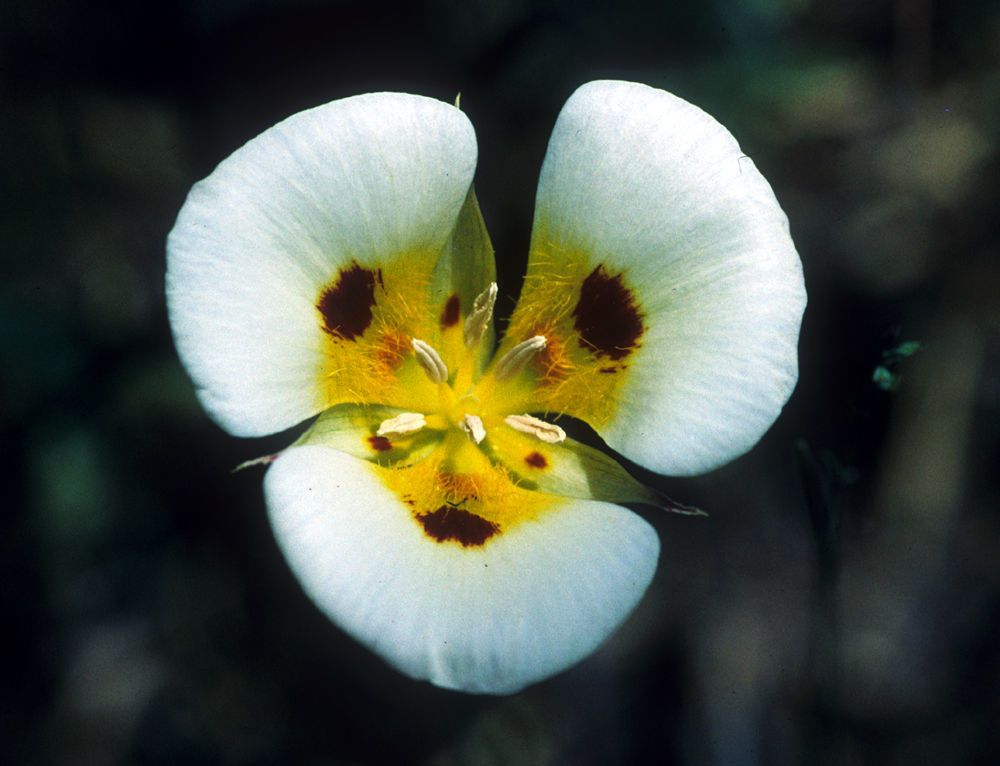
The Santa Barbara Mariposa Lily (Calochortus syntrophus) is a captivating beauty native to the Californian coast. Its vibrant, lilac petals adorned with intricate purple brushstrokes and a central yellow beard make it a coveted jewel for wildflower enthusiasts and gardeners alike. While admiring them in their natural habitat is a treat, wouldn’t it be wonderful to cultivate these enchanting lilies in your own garden?
Propagating Calochortus syntrophus requires patience and understanding of its lifecycle. Here’s a comprehensive guide to help you succeed:
Method 1: Seed Propagation
- Seed Collection: Collect seeds from mature capsules in late spring or early summer, as they turn brown and begin to split open.
- Sowing Time: Sow the seeds in fall, mimicking their natural cycle.
- Sowing Medium: Use a well-draining mix formulated for cacti and succulents or create your own using equal parts potting soil, perlite, and coarse sand.
- Sowing Depth: Sow seeds shallowly, about ¼ inch deep.
- Cold Stratification: Calochortus syntrophus needs a period of cold temperatures to break dormancy. Leave the pots outdoors during winter or, for warmer climates, store them in a refrigerator (40-45°F) for 8-12 weeks.
- Germination: Expect germination in late winter or early spring, but be patient as it can be erratic and may take several months.
- First Bloom: It might take 2-3 years for seedlings to mature and produce flowers.
Method 2: Corm Division
- Timing: Divide mature corms in late summer or early fall when the plants are dormant.
- Lifting Corms: Carefully dig around the plant, ensuring you don’t damage the fragile corms.
- Division: Look for small offsets or “cormlets” attached to the mother corm. Gently detach them, ensuring each cormlet has a healthy root system.
- Replanting: Replant the cormlets immediately in a well-draining mix, burying them about 2-3 inches deep and spacing them 4-6 inches apart.
- Watering: Water sparingly until new growth appears in the spring.
Caring for Calochortus syntrophus
- Sunlight: Plant in a location that receives full sun to partial shade.
- Watering: Water deeply but infrequently, allowing the soil to dry out between waterings. Avoid overwatering, which can lead to corm rot.
- Soil: Use a well-draining soil mix to prevent waterlogging.
- Fertilizer: Fertilize sparingly in spring with a balanced, diluted fertilizer.
- Pests and Diseases: These lilies are generally pest-free but watch out for slugs and snails, particularly during the early stages.
Conservation Note: Calochortus syntrophus is considered a rare and endangered species in the wild. Avoid collecting seeds or plants from natural populations. Instead, obtain seeds or plants from reputable nurseries that specialize in native plants.
By following these steps, you can enjoy the captivating beauty of the Santa Barbara Mariposa Lily in your own garden and contribute to the preservation of this remarkable species. It requires patience and dedication, but the reward of seeing these exquisite flowers gracing your garden is well worth the effort.