
Unveiling the Magic: Propagating the Charming Calochortus venustus
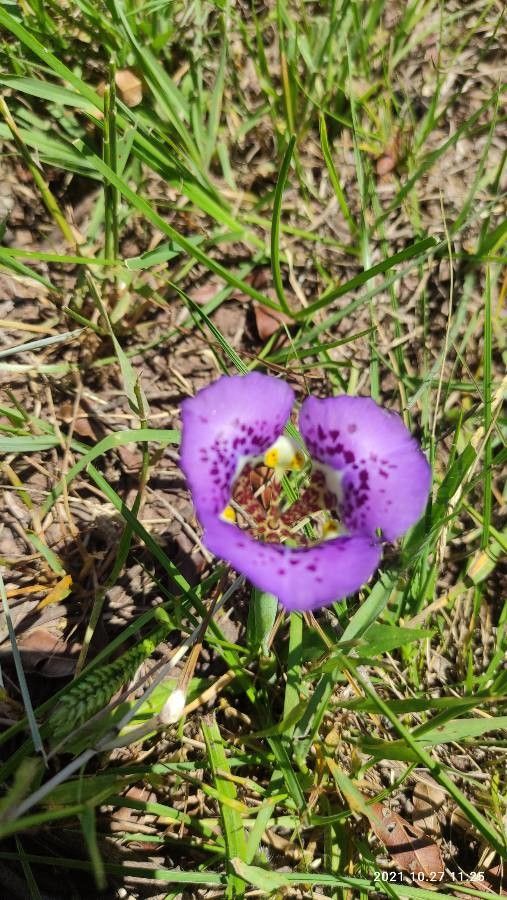
Calochortus venustus, commonly known as the “Mariposa Lily” or the “Butterfly Lily,” is a captivating wildflower that bursts into bloom with vibrant, butterfly-shaped flowers. Its delicate beauty and charm have made it a favorite among gardeners, and luckily, it’s a plant that readily responds to propagation attempts.
So, how do you bring the magic of the Mariposa Lily to your own garden? Read on to discover the secrets of its propagation success!
1. The Power of Seeds:
Calochortus venustus can be effortlessly grown from seed, making it accessible to even novice gardeners. Here’s a step-by-step guide:
- Timing is Key: Sow the seeds directly into the ground in fall. As the seeds require a period of cold stratification (exposure to cold temperatures) to germinate, this timing ensures the perfect environment for their growth.
- Prime the Soil: Prepare the soil by tilling it to a depth of 6-8 inches and incorporating compost for added nutrients and drainage.
- Planting Depth: Sow the tiny seeds about ¼ inch deep, spacing them 6-12 inches apart.
- Moisture and Patience: Water the soil thoroughly and keep it consistently moist. Be patient, as the seeds may take several weeks to germinate.
2. The Art of Division:
Another effective way to propagate Calochortus venustus is through division. This method allows you to rapidly increase your plant population, creating stunning patches in your garden.
- Optimal Time: The best time to divide these bulbs is during the dormant season, preferably in late summer or early fall.
- Carefully Divide: Gently dig up the bulb clusters and carefully separate them into individual bulbs or groups of bulbs. Make sure each section has healthy roots attached.
- Prepare the New Home: Plant the divided bulbs in well-prepared soil, placing them about 4-6 inches apart.
3. Unveiling Offsets:
Calochortus venustus also produces offsets, which are small bulbs that grow around the main bulb. These offsets can be carefully removed and planted separately to create new plants.
- Patience Reigns: Offsets generally appear after a few years.
- Gentle Removal: When the offsets are large enough, carefully remove them from the main bulb. Ensure each offset has some root system attached.
- New Beginnings: Plant the offsets in a suitable location in your garden, providing them with similar conditions as the parent bulb.
Tips for Success:
- Sunlight: Calochortus venustus thrives in full sun to partial shade.
- Soil: Well-drained, sandy, or loam soil is ideal for this plant.
- Watering: Water regularly, especially during the blooming period.
- Fertilization: A light application of fertilizer in early spring can boost growth and flower production.
Final Thoughts:
Propagating Calochortus venustus is a rewarding experience, allowing you to enjoy the vibrant beauty of these alluring wildflowers year after year. Embrace the simplicity of seed propagation, the efficiency of division, or the charm of offsets – your chosen method will reward you with a garden overflowing with the captivating charm of the Mariposa Lily.