
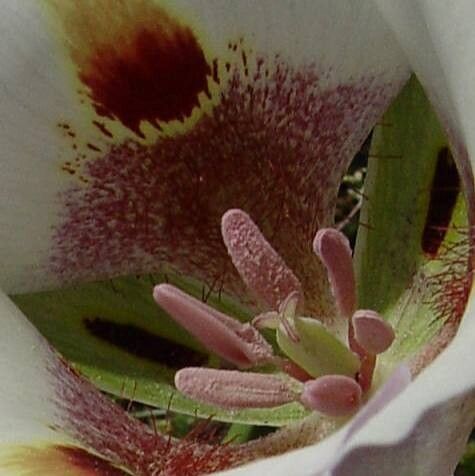
Unveiling the Secrets of Vesta’s Mariposa Lily: A Propagation Guide
The Calochortus vestae, affectionately known as Vesta’s mariposa lily, is a botanical jewel captivating all who encounter it. This California native boasts exquisite, tulip-like blooms, adorned with vibrant orange petals and intricate mahogany markings. While admiring its beauty is a given, wouldn’t it be magical to cultivate this rare gem in your own garden?
Propagating Calochortus vestae can be a rewarding, though slightly challenging, endeavor. This guide delves into the two primary methods, empowering both novice and seasoned gardeners to grow this stunning lily.
Method 1: Seed Propagation – A Test of Patience
For those who find satisfaction in nurturing life from its very beginning, seed propagation offers a fulfilling journey.
- Sourcing Seeds: Begin your quest by obtaining seeds from reputable suppliers specializing in native plants. Freshly harvested seeds yield the best results.
- Breaking Dormancy: Calochortus vestae seeds possess a natural dormancy mechanism requiring a period of cold stratification to awaken. Mimic their natural cycle by storing seeds mixed with slightly damp vermiculite in a sealed bag in your refrigerator for at least 3 months.
- Sowing the Seeds: Spring is the perfect time for sowing. Use a well-draining seed starting mix, sprinkling the seeds delicately over the surface. Cover with a thin layer of vermiculite and maintain constant moisture without waterlogging.
- Patience is Key: Germination can be erratic, with some seeds sprouting within weeks and others taking several months. During this period, provide ample indirect sunlight and maintain a cool environment.
- Transplanting Seedlings: Once the seedlings develop a robust root system and a few true leaves, transplant them into individual pots containing a well-draining potting mix.
Method 2: Bulb Division – A Faster Route to Blooms
For a quicker and more predictable approach, bulb division offers a viable alternative, provided you have access to a mature Calochortus vestae plant.
- Timing is Everything: The optimal time for division is during the plant’s dormancy, which typically falls in late summer or early fall after the foliage has withered.
- Digging with Care: Gently unearth the clump of bulbs, ensuring you do not damage the delicate structures.
- Division Process: Identify healthy bulblets attached to the mother bulb. Carefully detach them, ensuring each bulblet has a portion of the basal plate intact.
- Replanting: Select a well-drained location in your garden, preferably with partial shade. Plant the divided bulbs around 2-3 inches deep and water them gently.
Cultivating Success: General Care Tips
Regardless of the propagation method you choose, providing the right growing conditions is key to success:
- Soil: Calochortus vestae thrives in well-draining soil, mimicking its natural habitat. Consider amending heavy soils with sand or grit.
- Light: This species prefers dappled shade, especially in hotter climates. Morning sun with afternoon shade is ideal.
- Water: Water deeply but infrequently. Allow the soil to dry out slightly between waterings. Overwatering can lead to bulb rot.
- Fertilizer: Apply a balanced, slow-release fertilizer in early spring to support healthy growth and flowering.
Patience, dedication, and an understanding of this captivating lily’s needs are your tools to success. By following these propagation and care tips, you can cultivate the exquisite beauty of Calochortus vestae, transforming your garden into a sanctuary for this rare and precious wildflower.