
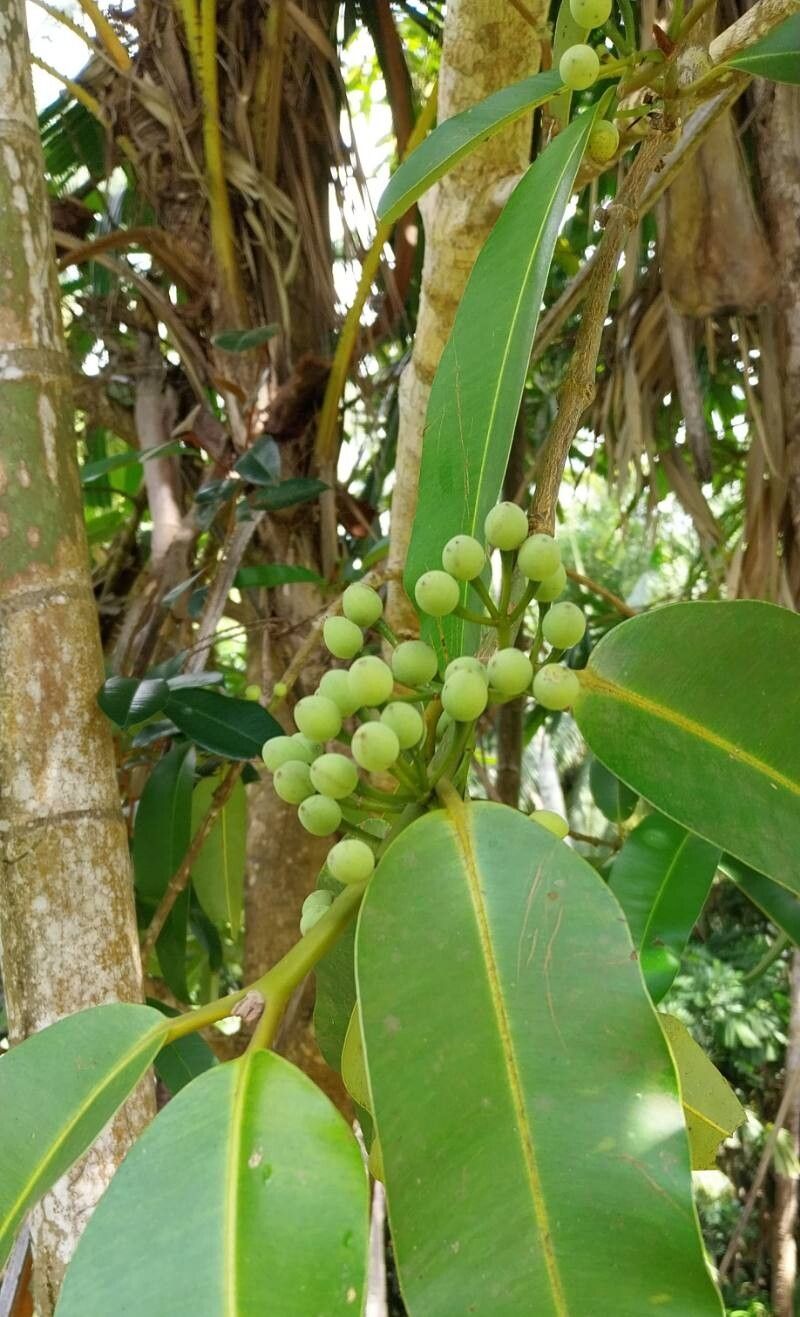
Propagating the Alexandrian Laurel: A Gardener’s Guide to Calophyllum soulattri
Introduction:
Calophyllum soulattri, commonly known as Alexandrian laurel, is a captivating tropical evergreen tree prized for its glossy, leathery leaves and beautiful, fragrant flowers. Its striking ornamental value makes it a sought-after addition to many gardens, particularly in tropical and subtropical regions. However, its propagation presents unique challenges, making successful cultivation a rewarding experience for the dedicated gardener. The tree’s slow growth and relatively limited availability further pique the interest of plant enthusiasts seeking to increase their stock. While relatively uncommon in cultivation outside of its native range, increasing interest necessitates exploring various propagation techniques.
Seed Germination:
Seed germination is a viable method for propagating Calophyllum soulattri, though it is not without its challenges. The seeds possess a relatively hard seed coat which inhibits water uptake, necessitating pre-treatment.
Challenges: Low germination rates are common, even with pre-treatment. Seed viability diminishes rapidly after harvest, requiring immediate sowing. Furthermore, fungal diseases can attack seedlings, resulting in significant losses.
Practical Tips: Scarification (nicking the seed coat) or soaking in warm water for 24-48 hours prior to sowing can improve germination success. Sowing in a well-draining seed starting mix, maintaining high humidity, and providing ample, indirect sunlight are crucial. Regular checks for fungal infection and prompt treatment are vital for successful seedling establishment.
Rewards: Seed propagation offers the benefit of genetic diversity, crucial for building a resilient population. It also presents a potentially scalable method for large-scale propagation, particularly for conservation or commercial purposes.
Cuttings:
Cuttings propagation for Calophyllum soulattri is possible, but success rates can be low.
Challenges: The relatively hard wood of Calophyllum soulattri makes rooting difficult. The cuttings are susceptible to fungal infections and desiccation.
Practical Tips: Semi-hardwood cuttings taken in late spring or early summer, treated with rooting hormone, and kept under high humidity in a propagation chamber offer the best chance of success. Mist propagation systems are highly recommended.
Rewards: Cuttings allow for the preservation of desirable traits from a mother plant, ensuring superior offspring with known characteristics.
Division:
Division is not a viable method for propagating Calophyllum soulattri. This tree does not readily produce suckers or offsets that can be separated for propagation.
Tissue Culture:
Tissue culture offers a potentially efficient way to propagate Calophyllum soulattri, though it requires specialized equipment and expertise.
Challenges: Establishing aseptic conditions and developing effective nutrient media formulations for optimal growth are substantial hurdles. The process requires significant investment in equipment and technical expertise.
Practical Tips: Protocols for other Calophyllum species might serve as a starting point for research and development; however, species-specific optimization would be necessary.
Rewards: Tissue culture guarantees high propagation rates, allows for the production of large numbers of uniform plants, and provides a means to produce disease-free plants.
Conclusion:
Propagating Calophyllum soulattri presents numerous challenges across all common methods. Seed germination, though viable, often yields frustratingly low germination rates. Cuttings require careful technique and high humidity, while tissue culture necessitates specialized resources. However, the rewards are significant: the unique beauty of the Alexandrian laurel and the satisfaction derived from cultivating this relatively uncommon tree more than compensate for the difficulties involved. Persistence, patience, and meticulous attention to detail are key to unlocking the secrets of successfully propagating this beautiful species. Aspiring propagators should research and carefully plan their approach by selecting the method best suited to their capabilities and resources. The journey might be challenging, but the final outcome—a thriving Alexandrian laurel—is well worth the effort.