
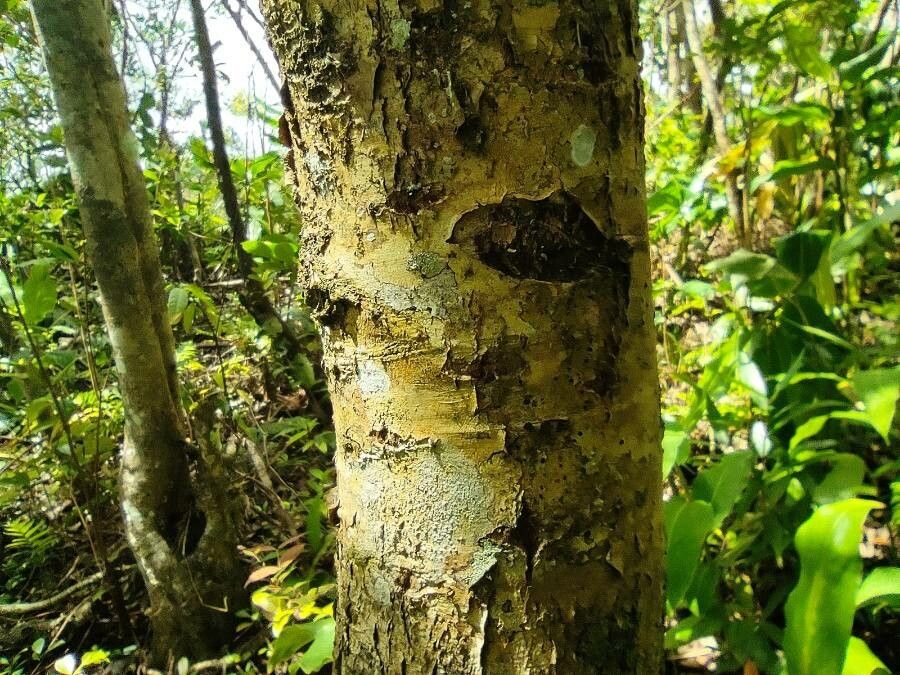
Cracking the Code: Propagating the Majestic Calophyllum tacamahaca
The Calophyllum tacamahaca, also known as the Polynesian Tamanu or Alexandrian laurel, is a majestic tree native to tropical regions. Admired for its dense, glossy foliage and vibrant green leaves, this tree is not just a visual delight, but also boasts incredibly durable timber and seeds that yield precious Tamanu oil. Intrigued to welcome this tropical marvel into your own space? Let’s delve into the world of Calophyllum tacamahaca propagation and uncover the secrets to success.
Two Paths to Sprout Success: Seed vs. Cutting Propagation
While propagating the Calophyllum tacamahaca can be a rewarding experience, it’s not as simple as tossing some seeds in the ground and hoping for the best. This tropical beauty can be a bit particular about its growing conditions. There are two primary methods you can employ:
1. Seed Propagation: A Test of Patience
- Gathering the Seeds: The Calophyllum tacamahaca produces round, green fruits that enclose the seeds. It’s best to collect mature fruits directly from the tree, ensuring they are free from any damage or disease.
- Prepping for Germination: These seeds are known for their hard outer shell. To improve germination rates, you can try scarifying the seeds. This involves gently nicking or sanding the seed coat to allow water penetration.
- Sowing the Seeds: Plant the seeds in a well-draining seed-starting mix, burying them about an inch deep. Moist but not soggy; this is the key to success.
- Patience is Key: Germination can be a waiting game, sometimes taking several weeks or even months. Place your seed trays in a warm, humid environment with indirect sunlight.
2. Cutting Propagation: A Faster Route
- Timing is Everything: The best time to take cuttings is during the tree’s active growing season, typically spring or early summer.
- Selecting the Right Cut: Choose healthy, semi-hardwood stems that are around 6-8 inches long and have several nodes (the points where leaves attach to the stem).
- Preparing the Cutting: Remove the leaves from the bottom third of the cutting and dip the cut end in rooting hormone powder to stimulate root development.
- Planting the Cutting: Insert the cutting into a well-draining potting mix, ensuring at least two nodes are buried.
- Creating a Humid Environment: Cover the pot with a clear plastic bag or humidity dome to maintain moisture around the cutting.
Nurturing Your Calophyllum tacamahaca
Whether you choose seed or cuttings propagation, providing the right environment is crucial for success:
- Sunlight: Calophyllum tacamahaca thrives in full sun to partial shade. If you’re growing indoors, ensure your plant receives at least 6 hours of indirect sunlight daily.
- Water: While established trees are fairly drought-tolerant, young plants require consistent moisture. Keep the soil evenly moist but avoid overwatering which can lead to root rot.
- Soil: Well-draining soil is essential for this species. A mixture of peat moss, perlite, and vermicast provides optimal drainage and aeration.
The Rewards of Patience
Propagating your own Calophyllum tacamahaca may require a bit of effort and a dose of patience, but the rewards are well worth the wait. Imagine the satisfaction of watching your seedling or cutting flourish into a magnificent tree, gracing your garden with its elegance and beauty for generations to come.