
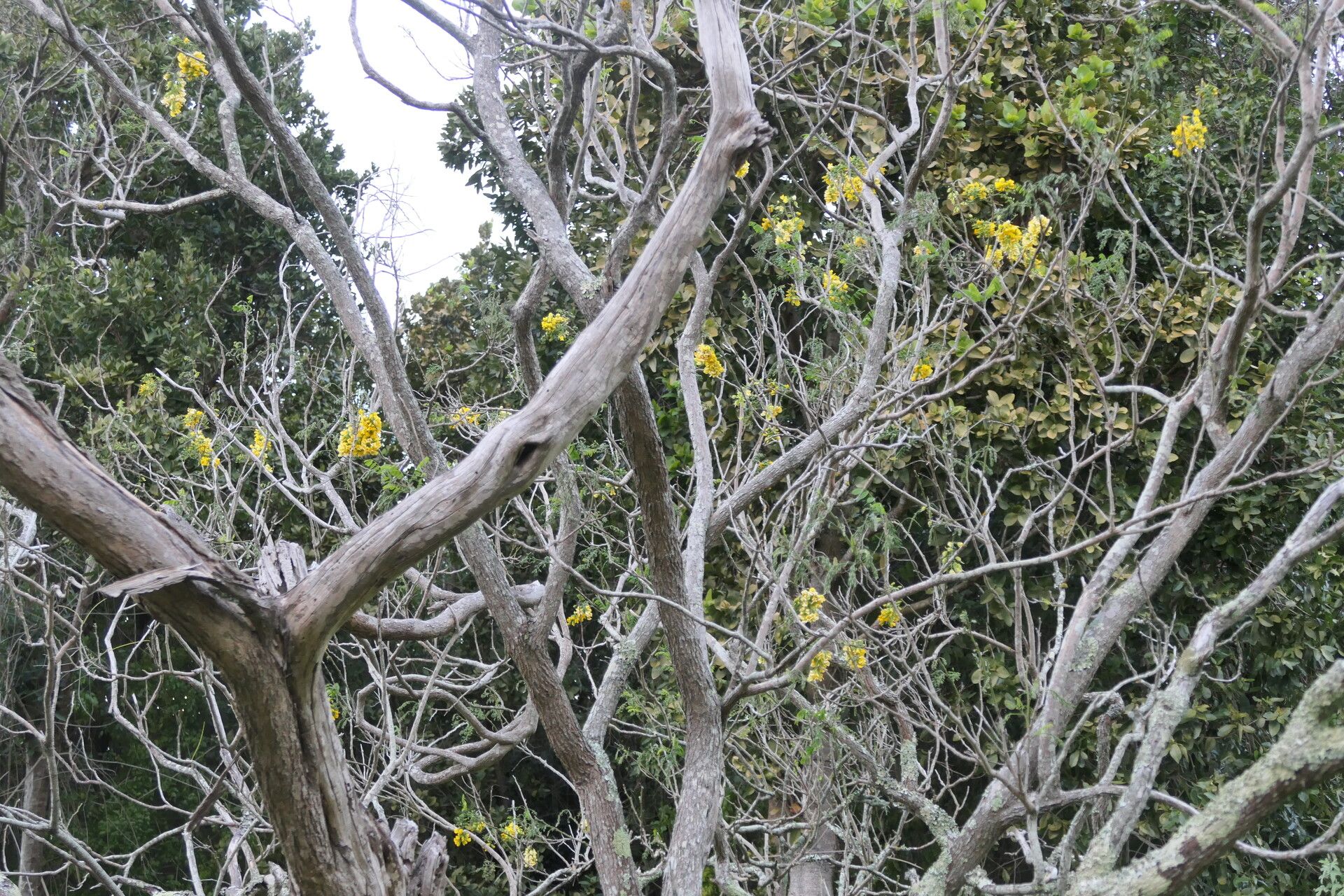
Golden Showers Galore: Propagating Calpurnia Aurea for a Sunshine-Filled Garden
Calpurnia aurea, also known as the African laburnum or Natal laburnum, is a stunner of a plant. With its cascading clusters of vibrant yellow, pea-like flowers and delicate, feathery foliage, it’s sure to brighten any garden. But did you know that bringing home this ray of sunshine is easier than you might think? Propagating Calpurnia aurea is a rewarding experience, and this guide will equip you with the knowledge to grow your own golden cascade.
Two Paths to Propagation:
Calpurnia aurea offers two main methods of propagation: seeds and cuttings. Let’s delve into each:
1. Seed Starting for Beginners:
Timing is Key: The ideal time to sow Calpurnia aurea seeds is in spring when the weather is warming up and frost is no longer a threat.
Pre-treat for Success: Calpurnia seeds have a hard outer coating that benefits from scarification. To do this, gently rub the seeds with a nail file or sandpaper to nick the outer layer. Then, soak the seeds in warm water for 24 hours before planting.
Sowing the Seeds: Use a well-draining seed starting mix and plant the seeds about 1/2 inch deep. Keep the soil moist but not waterlogged.
Patience is a Virtue: Germination can take anywhere from a few weeks to a couple of months. Be patient and continue to provide warmth, light, and moisture.
- Strong Starts, Strong Plants: Once the seedlings are a few inches tall, thin them out to give the strongest ones ample space to grow.
2. Cuttings for a Quicker Bloom:
The Right Time and Branch: Take semi-hardwood cuttings in late spring or early summer. Look for healthy, non-flowering stems that are about 4-6 inches long.
Prep Your Cutting: Remove the leaves from the bottom two-thirds of the cutting. Dip the cut end in rooting hormone powder to encourage root development.
Planting the Cutting: Plant the cutting in a pot filled with a well-draining potting mix. Keep the soil consistently moist and provide indirect sunlight.
Rooting Time: It can take several weeks for the cutting to develop roots. You can check for root development by gently tugging on the cutting – resistance indicates rooting.
- Transplanting Time: Once the cutting shows signs of new growth, it’s ready to be transplanted to a larger pot or directly into the garden.
Regardless of your chosen propagation method, remember these tips for success:
Well-Draining Soil: Calpurnia aurea thrives in well-drained soil. Soggy conditions can lead to root rot.
Sunshine is Your Friend: These sun-loving plants require a minimum of 6 hours of direct sunlight per day.
- Pruning Promotes Growth: Regularly prune your Calpurnia aurea to maintain its shape and encourage bushier growth and more abundant flowering.
Propagating Calpurnia aurea is a rewarding endeavor. With a little patience and care, you’ll soon be enjoying the dazzling display of golden blooms this stunning plant offers. So grab your gardening gloves and get ready to add some sunshine to your garden!