
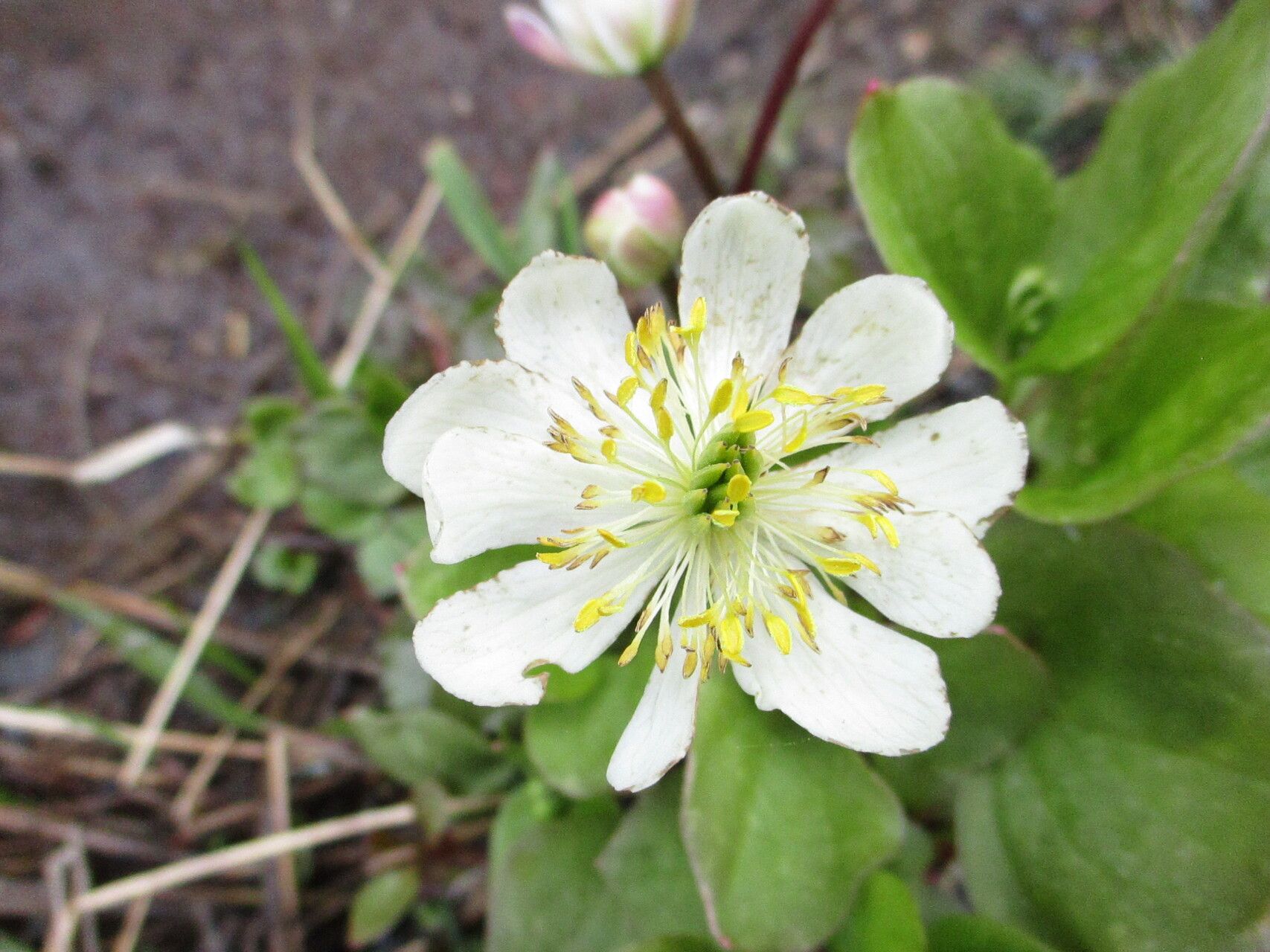
Spreading the Beauty: Propagating the Exquisite Marsh Marigold (Caltha leptosepala)
The Marsh Marigold (Caltha leptosepala), with its vibrant yellow blooms and lush green foliage, is a true gem of the wetland garden. Its beauty, however, is not limited to its natural habitat, for this captivating plant can easily be propagated, allowing you to share its splendor with others or simply expand your own enchanting landscape.
The Art of Seed Propagation:
Marsh Marigolds are prolific seed producers, making seed propagation a viable option for those looking to grow several new plants. Here’s how to harness this natural process:
- Harvesting Seeds: The best time to collect seeds is after the flowers fade and the seed pods mature, turning from green to a dark brown or black. Carefully snip off the seed pods and allow them to dry in a cool, dry environment.
- Sowing the Seeds: Direct sowing is the most common method. Prepare a well-drained seedbed, ensuring the soil is consistently moist but not waterlogged. Scatter seeds evenly, lightly cover them with soil, and keep the area moist. Germination may take several weeks, so be patient!
Division: A Simple and Effective Method:
Division offers another straightforward way to create new Marsh Marigold plants. Here’s what you need to know:
- Timing is Key: The best time to divide Marsh Marigolds is in early spring, just as new growth emerges.
- The Division Process: Gently dig up the mature plant, gently shake off excess soil, and carefully separate the plant into sections, each featuring several healthy roots and shoots. Replant each section in a suitable spot, ensuring adequate moisture and drainage.
The Importance of Choosing the Right Habitat:
Marsh Marigolds thrive in moist to wet conditions, making them perfect for bog gardens, ponds, and stream edges. Keep the following in mind:
- Sunlight Preferences: While Marsh Marigolds can tolerate some shade, they perform best in partial sun to full shade. Avoid direct sun exposure, especially in warmer areas.
- Soil Requirements: Well-drained, rich soil with a neutral to acidic pH is ideal. Adding compost or organic matter can improve the soil’s texture and fertility.
- Water Needs: Ensure the soil remains consistently moist, even during periods of drought. A shallow layer of mulch can help retain moisture and prevent weed growth.
Tips for Thriving Marsh Marigolds:
- Fertilizing: A light application of balanced fertilizer in the spring can boost growth.
- Pruning: Deadheading spent flowers encourages continuous blooming and prevents self-seeding.
- Disease and Pest Control: Marsh Marigolds are generally disease-resistant, but keep an eye out for aphids or slugs which can sometimes be an issue.
Sharing the Beauty
With the right techniques, propagating Marsh Marigolds is an effortless process. Share your newly propagated plants with friends and family or create a stunning wetland garden of your own. Remember, this captivating plant is a treasure waiting to be shared, adding a vibrant splash of colour and beauty to any damp and shaded corner of your garden.