
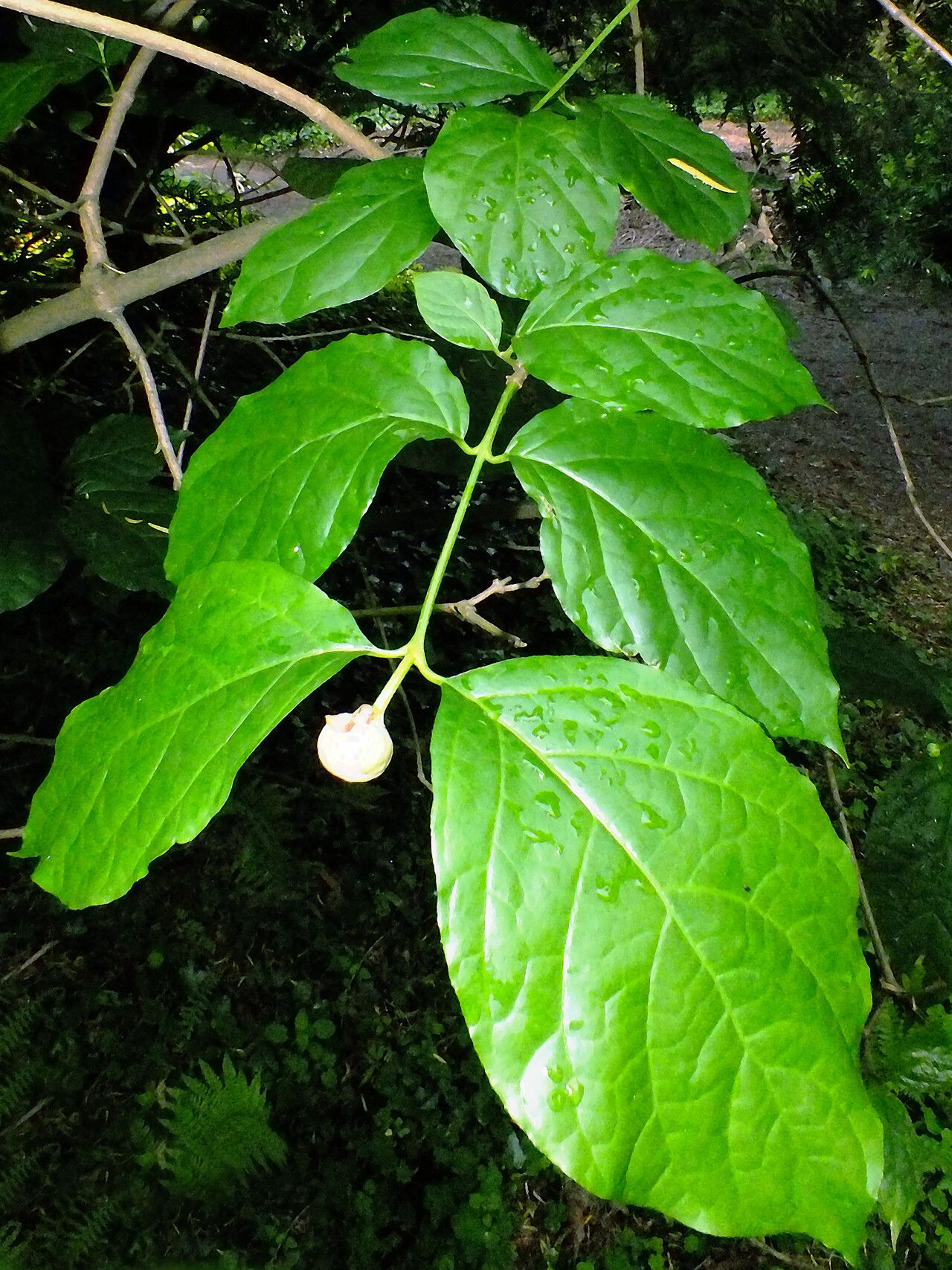
Unlocking the Secrets of Chinese Sweetshrub Propagation: Grow More Calycanthus Chinensis
The Chinese Sweetshrub (Calycanthus chinensis), also known as the Spicebush or Wax Shrub, captivates with its exquisite, magnolia-like blooms boasting a delightful fruity fragrance. If you’re lucky enough to have this beauty in your garden, you might be eager to multiply your fragrant bounty. While not as common as its American cousin, propagating Calycanthus chinensis is achievable with a little patience and the right techniques. Let’s explore the different methods:
1. Seeds of Potential:
Collecting seeds from your Calycanthus chinensis is the first step in this propagation journey. The plant produces fascinating, urn-shaped seed pods that mature in the fall. Harvest the pods once they turn brown and allow them to dry further indoors. Inside, you’ll find the seeds.
- Sowing the Seeds: Fall is an ideal time for sowing Calycanthus chinensis seeds. Prepare a seed tray or small pots with a well-draining seed starting mix. Sow the seeds at a depth of about half an inch and water them gently.
- Patience is Key: Germination can be slow, sometimes taking several months or even an entire year. Keep the soil consistently moist but not waterlogged and be prepared to wait for the rewarding sight of seedlings emerging.
2. Taking the Cuttings Route:
Propagation through cuttings provides quicker results than seeds and ensures the new plants are genetically identical to the parent plant, preserving desirable traits.
- Timing is Everything: Early summer is the prime time for taking semi-hardwood cuttings. Look for healthy, non-flowering stems that have started to mature.
- Making the Cut: Using sharp, sterilized pruning shears, take 4-6 inch cuttings just below a leaf node. Remove the lower leaves, leaving only a couple at the top.
- Hormone Boost: Dipping the cut end in rooting hormone powder significantly increases the success rate of rooting.
- Creating a Humid Haven: Plant the cuttings in a well-draining potting mix and cover the pot with a plastic bag or place it in a propagator to create a humid environment.
- Time to Shine: Keep the cuttings in a warm, bright location out of direct sunlight. In about 6-8 weeks, roots should start to develop.
3. Layering: A Natural Approach:
Layering is a relatively easy propagation method where a branch is encouraged to develop roots while still attached to the parent plant.
- Choosing the Branch: Select a flexible, low-growing branch in spring or early fall.
- Wounding and Positioning: Gently wound the underside of the branch using a sharp knife and then bend it down towards the soil. Bury the wounded section about 3-4 inches deep, securing it with a landscape staple or rock.
- Root Development: Keep the soil consistently moist. In about a year, the layered branch should have developed sufficient roots, allowing you to separate it from the parent plant.
Caring for Your Calycanthus Clones:
Whether you’ve nurtured seedlings, rooted cuttings, or successfully layered your Chinese Sweetshrub, providing the right growing conditions ensures they thrive:
- Well-Drained Soil: Calycanthus chinensis prefers moist but well-drained soil.
- Sun or Shade: While it appreciates full sun, it can tolerate partial shade, especially in hotter climates.
- Regular Watering: Water deeply and regularly, especially during dry periods.
- Pruning Finesse: Prune after flowering to maintain shape and encourage bushier growth.
Propagating your Calycanthus chinensis might require some patience and dedication, but the rewards are well worth the effort. Imagine the satisfaction of sharing the captivating beauty and fragrance of your very own propagated shrubs with fellow garden enthusiasts!