
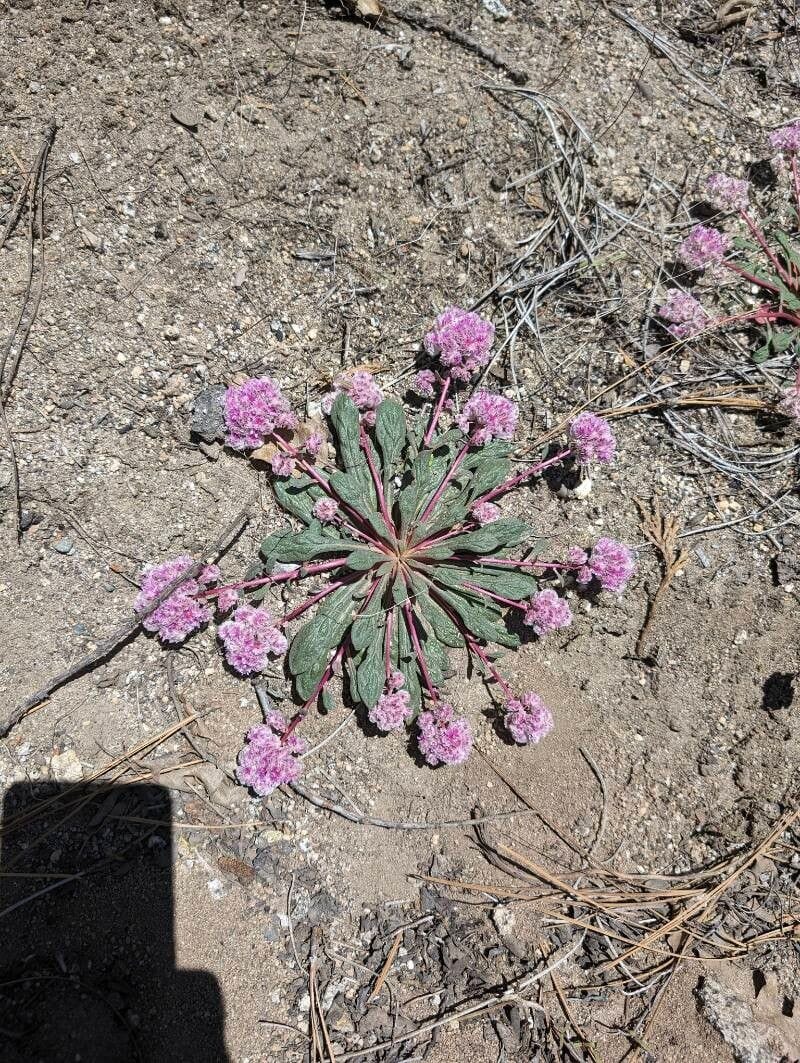
Unveiling the Secrets of Pussypaws: Propagating Calyptridium Umbellatum
Pussypaws, also known by its scientific name Calyptridium umbellatum, is a charming little wildflower native to western North America. Its clusters of bright pink, paw-shaped flowers add a touch of whimsy to any landscape, attracting butterflies and bees alike. If you’re looking to introduce this delightful plant to your garden, understanding its propagation methods is key.
Two Paths to Pussypaw Paradise
Pussypaws can be propagated through two main methods:
Seeds: The most common and rewarding method, seed propagation gives you the joy of witnessing the entire life cycle of your pussypaws.
- Cuttings: While less common, taking cuttings can be a viable option for experienced gardeners looking to quickly produce a clone of their existing plant.
The Seed Route: Patience Yields Beautiful Blooms
Collecting Seeds: Allow the attractive flower clusters to mature and dry on the plant. You’ll notice the formation of small capsules. Once the capsules turn brown and papery, gently collect them and store them in a cool, dry place until you’re ready to sow.
Sowing Time: Pussypaws are best sown in late fall or early winter. This allows the seeds to experience a period of cold stratification, which is crucial for breaking their dormancy.
Sowing Method:
- Direct Sowing: Choose a well-drained location in your garden that receives full sun to partial shade. Scatter the seeds on the soil surface and lightly press them down. Remember, pussypaws prefer rocky or sandy soils.
- Starting Indoors: You can start the seeds indoors 6-8 weeks before your last expected frost. Use a seed-starting mix and sow the seeds shallowly. Keep the soil consistently moist but not waterlogged.
Germination: Be patient, as pussypaw seeds can take several weeks to germinate, especially in colder temperatures.
Caring for Seedlings: Once your seedlings have developed a couple of true leaves, you can thin them out, leaving the strongest ones to flourish.
The Cutting Edge: A Quicker, Yet Trickier, Approach
Taking Cuttings:
- In early spring, select healthy, non-flowering stems from an established pussypaw plant.
- Using a sharp, sterilized knife or pair of scissors, make a clean cut just below a leaf node. Aim for a cutting that is about 3-4 inches long.
- Remove the lower leaves from the cutting, leaving only a couple of leaves at the top.
Rooting Hormone (Optional): While not strictly necessary, dipping the cut end of your cuttings in rooting hormone can increase the chances of successful rooting.
Planting and Care:
- Plant the cuttings in a well-draining potting mix or a mix of perlite and vermiculite.
- Keep the cuttings consistently moist and in a brightly lit area, but out of direct sunlight.
- Rooting can take several weeks. You’ll know it’s successful when you see new growth.
Transplanting Success
Once your pussypaw seedlings or rooted cuttings have grown strong, you can transplant them to larger pots or directly into your garden. Ensure they are planted in well-drained soil and receive adequate sunlight to thrive.
Bringing Pussypaws to Life
While propagating Calyptridium umbellatum may require a touch of patience, the reward of these cheerful blooms gracing your garden is well worth the effort. Whether you choose the seed route or explore the world of cuttings, you’ll discover that each method offers a unique and rewarding experience in cultivating these beautiful wildflowers.