
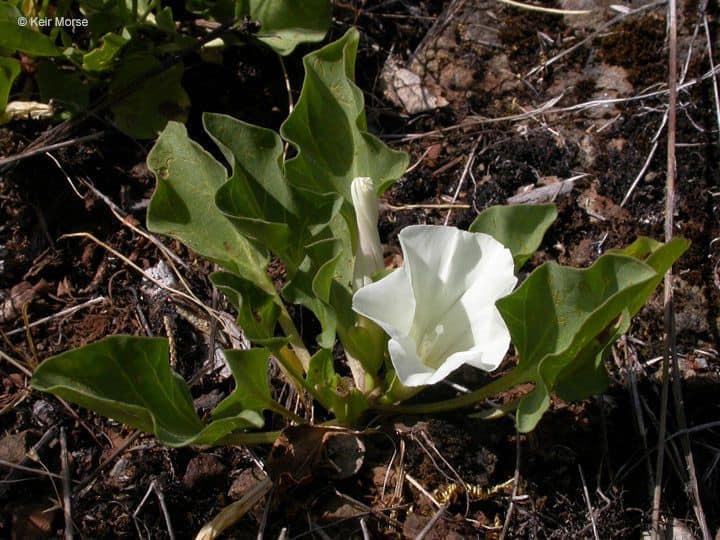
Taming the Twining Beauty: Propagating Calystegia atriplicifolia
Also known as the Milkweed Vine or Heartleaf Bindweed, Calystegia atriplicifolia is a hidden gem in the world of climbing plants. Native to parts of North America, this perennial vine boasts twining stems adorned with delicate white flowers that resemble those of its namesake, the morning glory. While its delicate beauty can add a touch of wild charm to gardens, its moniker as “bindweed” might raise an eyebrow. While it’s true this species can be vigorous, understanding its growth habits and mastering propagation techniques empowers gardeners to manage and enjoy its unique appeal.
Divisions for Days: The Power of Root Cuttings
One of the most effective ways to propagate Calystegia atriplicifolia is through root cuttings. The robust root system of this plant makes this method highly successful. Here’s how you can do it:
- Timing is Key: Early spring, just as new growth emerges, or late fall, after the plant has died back, are the optimal times for taking root cuttings.
- Unearth the Treasure: Carefully dig around the base of the plant, exposing a good portion of the root system.
- Cut to Propagate: Using a sharp, clean knife or pruning shears, cut sections of healthy roots. Each section should be approximately 2-3 inches long.
- Hormone Help (Optional): While not always necessary, dipping the cut ends in rooting hormone can help encourage faster and more successful rooting.
- Planting Time: Place the root cuttings horizontally in a tray or pot filled with a well-draining seed-starting mix or a mix of peat moss and perlite. Ensure they are just barely covered with the medium.
- Patience is a Virtue: Water lightly and maintain a consistently moist, but not soggy, environment. Place the tray in a warm location with indirect light and wait patiently for shoots to emerge, which can take several weeks.
- Transplanting Triumph: Once the new plants have developed a few sets of true leaves and a strong root system, they can be transplanted into larger pots or directly into the garden.
Beyond the Roots: Exploring Alternative Propagation Methods
While root cuttings are the most common and reliable method for propagating Calystegia atriplicifolia, other techniques can be explored:
- Seed Propagation: Collect seeds in the fall and sow them in seed trays during early spring. Cold stratification (exposing seeds to a period of cold temperatures) may be necessary for successful germination.
- Stem Cuttings: While less common, softwood cuttings taken in late spring or early summer can be attempted with the use of rooting hormone and careful attention to humidity levels.
Taming the Vine: Essential Care Tips
- Support System: Provide sturdy support like trellises, fences, or arbors for Calystegia atriplicifolia to climb. This not only showcases its beauty but helps manage its growth habit.
- Sun and Soil: Plant in full sun to partial shade in well-drained soil. While adaptable to various soil types, moist, fertile soil will encourage optimal growth and flowering.
- Watering Wisdom: Water regularly, especially during dry periods, but avoid overwatering, which can lead to root rot.
- Pruning Power: Regular pruning in late winter or early spring helps maintain the desired shape and size of the vine and promotes bushier growth.
With a little knowledge and a touch of patience, gardeners can easily propagate and enjoy the delicate beauty of Calystegia atriplicifolia in their gardens. Remember to support its vigorous growth, and appreciate this charming vine while keeping its enthusiastic nature in check.