
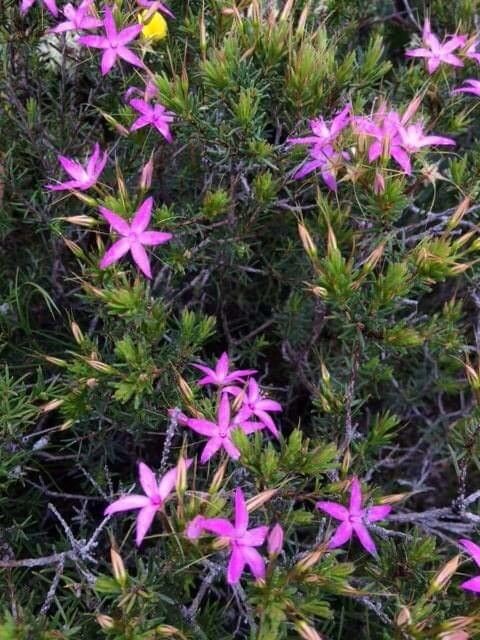
Grow Your Own Bushy Beauty: Propagating Calytrix Glutinosa
The Calytrix glutinosa, also known as the sticky calytrix, is a beautiful, low-maintenance shrub native to Australia. With its vibrant, starburst-like flowers and attractive foliage, it’s a popular choice for gardens, adding a touch of unique charm to any landscape. But did you know you can easily propagate this stunning plant yourself?
Propagating Calytrix glutinosa isn’t just about saving money. It’s a rewarding way to connect with nature and create new life for your garden. Whether you want to expand your existing collection or share the beauty of this plant with friends, learning to propagate is the perfect way to do it.
Two Common Methods for Propagation:
There are two main methods for propagating Calytrix glutinosa: seed propagation and cutting propagation.
Seed Propagation:
- This method is best for growing large quantities of plants.
- Collect seeds from mature seed pods after flowering and store them in a cool, dry place.
- Sow seeds in a seed tray filled with a well-draining seed-starting mix.
- Keep the soil consistently moist but not soggy.
- Germination typically occurs within 4-6 weeks in warm temperatures.
- Seedlings can be transplanted after they have a few sets of true leaves.
- Cutting Propagation:
- This method allows you to quickly replicate your existing plants and maintain their unique characteristics.
- Take semi-hardwood cuttings from healthy, actively growing stems in the late spring or early summer.
- Cut the stems just below a node, ensuring each cutting has at least 2-3 nodes.
- Remove leaves from the bottom inch of the cutting.
- Dip the cut end in a rooting hormone to encourage root development.
- Plant the cuttings in a pot filled with a sterile, well-draining potting mix.
- Keep the soil moist and cover the pot with a plastic dome or bag to create a humid environment.
- Roots will usually develop within 4-6 weeks.
Providing the Right Conditions:
Once your Calytrix glutinosa seedlings or cuttings have established roots, it’s time to transplant them to a well-drained soil in a sunny location. This plant thrives in full sun or partial shade and prefers to be planted in sandy or gravelly soil.
Important Tips for Success:
- Watering: Water new plants regularly, especially during dry periods, but avoid overwatering.
- Fertilizer: Feed your Calytrix glutinosa with a balanced liquid fertilizer once a month during the growing season.
- Pruning: Regular pruning helps maintain the shape and encourage bushier growth. Trim back any leggy or overgrown stems.
Beyond the Basics:
If you are looking for a more advanced propagation method, you can also try air-layering. This technique encourages roots to develop on a stem while it is still attached to the parent plant.
Conclusion:
Propagating Calytrix glutinosa is a rewarding experience. With a bit of patience and these simple tips, you can easily extend the beauty of this unique plant to your garden and share it with others. So grab some cuttings, get your hands dirty, and watch your own sticky calytrix flourish!