
Seeding Success: A Guide to Propagating Camelina Sativa
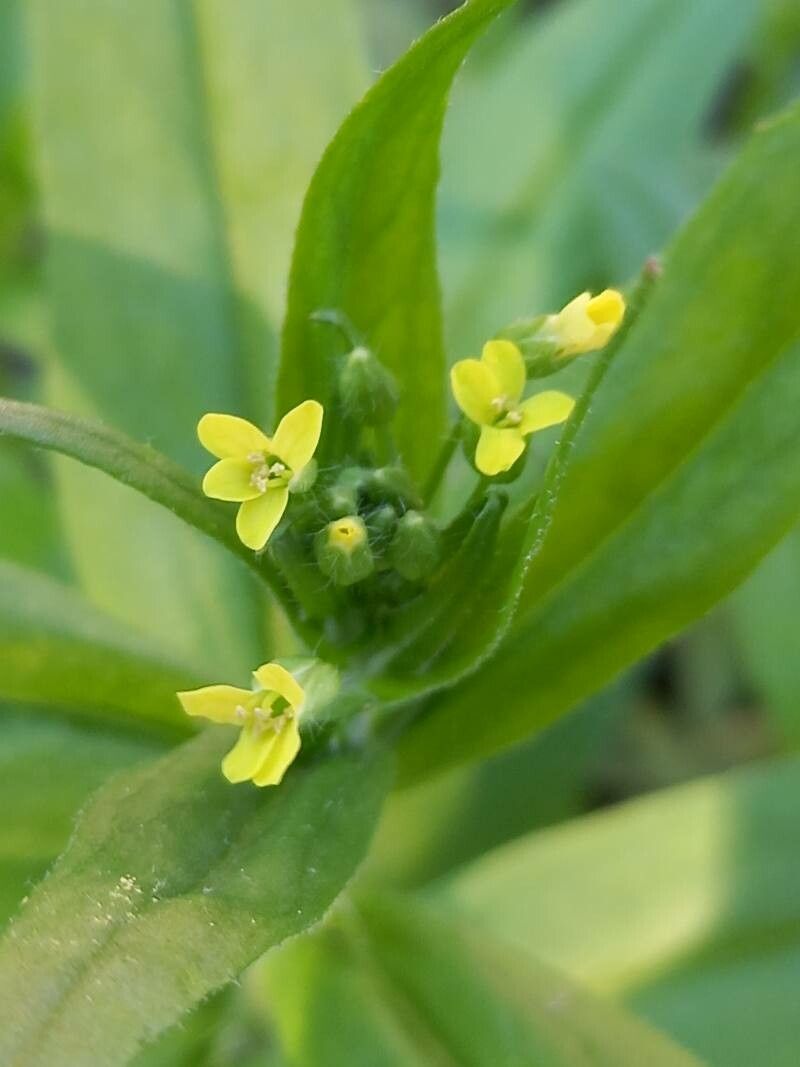
Camelina sativa, also known as false flax or gold-of-pleasure, is gaining popularity not just for its beautiful yellow flowers, but also for its valuable oilseed production. Whether you’re interested in sustainable agriculture, exploring new biofuel sources, or simply want to add this hardy and attractive plant to your garden, knowing how to propagate Camelina sativa is key.
This guide will cover everything you need to know, from seed selection to successful transplanting.
Why Propagate Camelina Sativa?
This ancient oilseed crop offers a multitude of benefits:
- Sustainable Oil Source: Camelina oil is rich in omega-3 fatty acids and antioxidants, making it a healthy alternative to other vegetable oils.
- Biofuel Potential: The oil can be used as a sustainable biofuel for jets and other engines.
- Beneficial for Soil Health: As a member of the Brassicaceae family, camelina helps suppress weeds and can be used as a cover crop to improve soil structure.
- Easy to Grow: Camelina sativa is a hardy plant that thrives in a variety of climates and soil conditions.
The most common and effective method for propagating Camelina sativa is through direct seeding:
1. Seed Selection:
- Source high-quality seeds from reputable suppliers specializing in Camelina sativa or related agricultural seeds.
- Check the seed packet for information on variety, germination rate, and recommended planting dates.
2. Timing is Everything:
- Spring Planting: In most temperate climates, early spring is ideal. Aim to sow the seeds after the last frost when the soil is workable.
- Fall Planting: In milder climates with warm winters, a fall planting is possible. Sow seeds 6-8 weeks before the first expected frost.
3. Site Preparation:
- Sunlight: Choose a location with full sun (at least 6 hours of direct sunlight per day).
- Soil: Camelina sativa tolerates a wide range of soil types but prefers well-drained soil. Amending heavy clay or sandy soil with compost will improve drainage and fertility.
- Weed Control: Clear the planting area of any existing weeds or grass.
4. Sowing the Seeds:
- Depth: Sow seeds shallowly, about 1/4 to 1/2 inch deep.
- Spacing: Space rows 12-18 inches apart. Within the rows, seeds can be sprinkled more closely (1-2 inches apart), and later thinned if needed.
- Watering: Water the seeded area gently but thoroughly. Maintain consistent moisture, especially during germination, but avoid waterlogging.
5. Thinning (Optional):
- Once seedlings are a few inches tall, thin them out to allow for better air circulation and reduce competition for resources. A final spacing of 4-6 inches between plants is generally suitable.
6. Ongoing Care:
- Watering: Water deeply but infrequently once established, allowing the soil to slightly dry out between waterings.
- Fertilization: Generally, camelina doesn’t require heavy fertilization. A light application of a balanced fertilizer can be used if your soil is lacking nutrients.
- Pest and Disease Control: Camelina sativa is relatively pest and disease resistant. However, monitor for common garden pests and treat accordingly if necessary.
Harvesting:
Camelina sativa will be ready for harvest in around 90-100 days. You’ll notice the plants turning golden yellow and the seed pods turning brown. Harvest by cutting the stalks, allowing them to dry further before threshing and collecting the seeds.
Conclusion:
Propagating Camelina sativa is a rewarding endeavor. Whether you’re cultivating this plant for its valuable oil, contributing to a more sustainable future with biofuel alternatives, or simply adding a touch of golden beauty to your garden, mastery of propagation is an essential step. With a bit of care and attention, you’ll be well on your way to experiencing all that this versatile and ancient crop has to offer.